Introduction
Detox diets have become increasingly popular as people look for quick ways to cleanse their bodies, lose weight, and improve overall health. Among these trends, the millet detox diet has gained attention for its natural, whole-food approach. Unlike extreme detox programs that rely on juices or fasting, this method focuses on replacing refined grains with millets to support the body’s natural cleansing processes.
But the real question remains: does a millet detox diet actually work, or is it just another health trend? The answer lies in understanding what “detox” really means and how millets interact with your body. When used correctly, a millet-based diet can support digestion, reduce bloating, and improve metabolic function, but it is important to separate realistic benefits from exaggerated claims.
What Is a Millet Detox Diet?
A millet detox diet is not about eliminating food or relying on liquids. Instead, it involves replacing processed and refined foods with whole, fiber-rich millets for a specific period. The goal is to reduce the intake of additives, excess sugar, and unhealthy fats while increasing nutrient-dense, easily digestible foods.
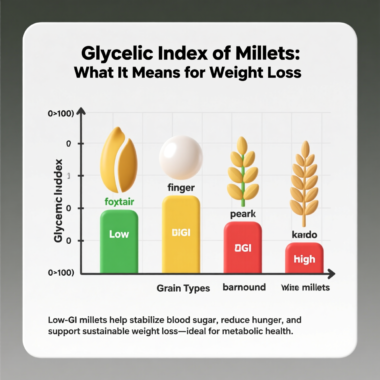
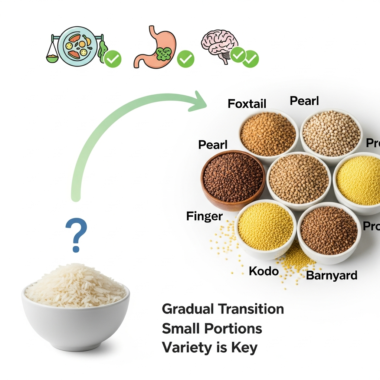
Millets such as barnyard, foxtail, and kodo are commonly used in this approach because they are high in fiber and have a low glycemic index. These properties help regulate digestion and stabilize blood sugar levels, creating a more balanced internal environment.
Unlike extreme detox methods, this approach allows you to eat regular meals, making it more sustainable and less stressful for the body.
How the Body Naturally Detoxifies
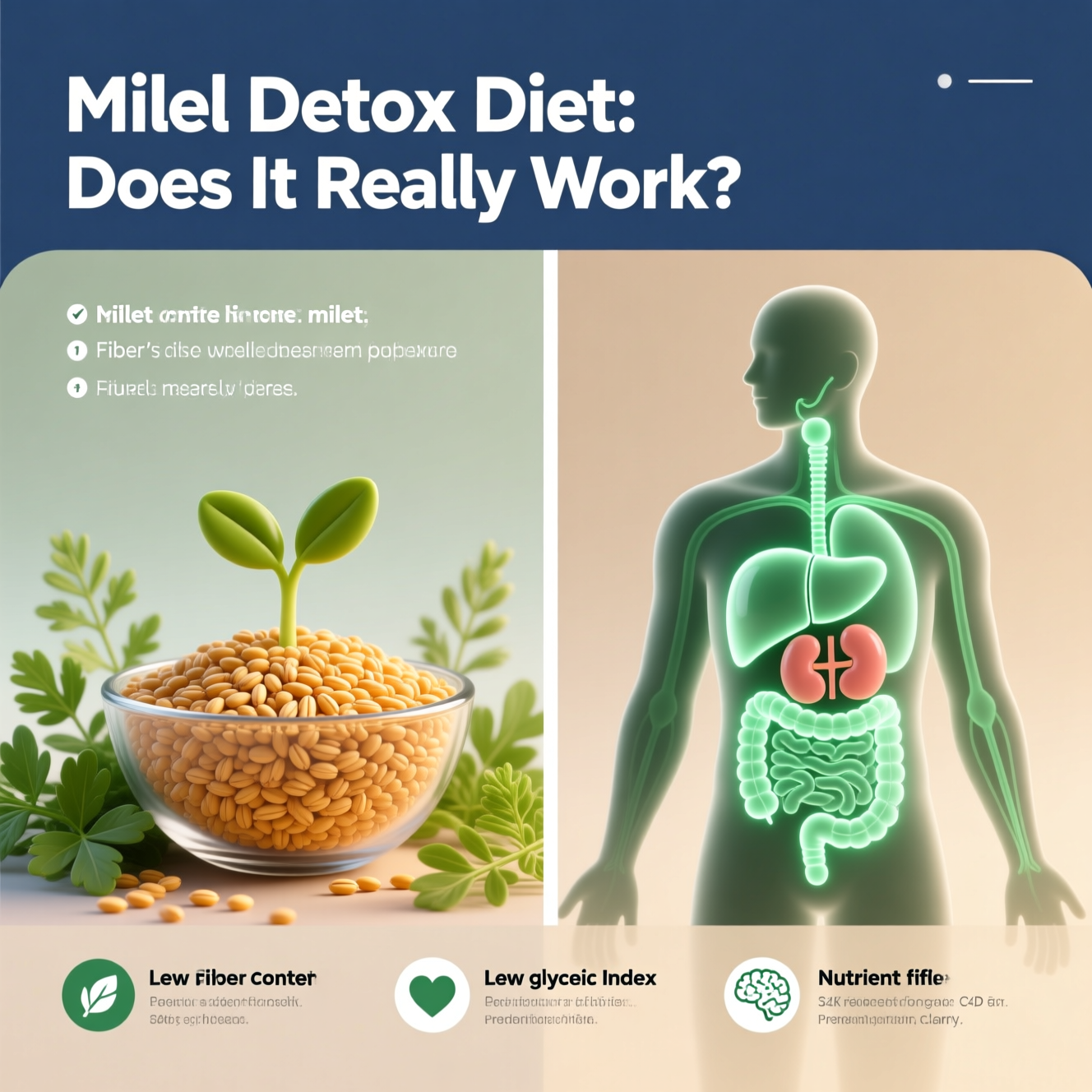
Before evaluating the effectiveness of a millet detox diet, it is important to understand that the body already has its own detoxification system. Organs such as the liver, kidneys, and digestive system continuously work to eliminate toxins and maintain internal balance.
The role of diet is to support these natural processes rather than replace them. Foods that are rich in fiber, antioxidants, and essential nutrients can enhance the body’s ability to function efficiently. Millets fall into this category, as they help improve digestion and provide the nutrients needed for metabolic processes.
How Millets Support Detox and Weight Loss
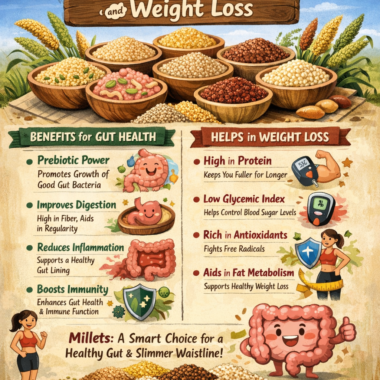
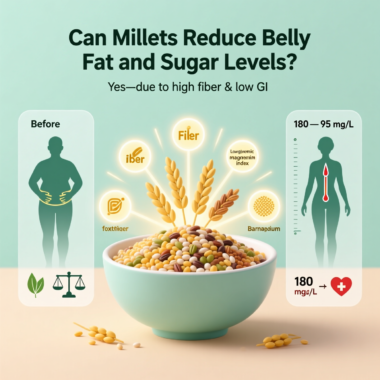
Millets contribute to a detox-like effect primarily through their impact on digestion and metabolism. Their high fiber content promotes regular bowel movements, which helps the body eliminate waste more effectively. This can reduce bloating and improve overall gut health.
Another important factor is their ability to stabilize blood sugar levels. When blood sugar is stable, the body is less likely to store excess fat and more likely to use stored fat as energy. This can lead to gradual weight loss, which is often one of the main goals of detox diets.
Millets are also rich in antioxidants, which help reduce oxidative stress in the body. While this is not the same as “detoxing” in the traditional sense, it supports overall health and improves the body’s ability to function efficiently.
What Results Can You Expect?
Many people who follow a millet detox diet report feeling lighter, less bloated, and more energetic within a few days. This is often due to the removal of processed foods and the increase in fiber intake. Improved digestion can also lead to better nutrient absorption, which contributes to overall well-being.
Weight loss may occur, especially if the diet creates a calorie deficit. However, it is important to note that initial weight loss may include water weight rather than pure fat loss. Sustainable results depend on maintaining healthy eating habits beyond the detox period.
It is also common to experience mild adjustments in the beginning, such as changes in digestion, as the body adapts to a higher fiber intake.
Limitations of a Millet Detox Diet
While a millet-based detox approach offers several benefits, it is not a miracle solution. The idea of “flushing out toxins” quickly is often exaggerated. The body’s detoxification processes are continuous and cannot be dramatically accelerated in a short period.
Another limitation is the risk of nutritional imbalance if the diet is too restrictive. Focusing only on millets without including adequate protein, healthy fats, and vegetables can reduce the overall effectiveness of the plan.
Overconsumption of millets can also lead to excess calorie intake, which may slow down weight loss. Balance and variety are essential to achieving the best results.
How to Follow a Millet Detox Diet Safely
A balanced approach is the most effective way to follow a millet detox diet. Replacing refined grains with millets while including a variety of vegetables, protein sources, and healthy fats ensures that the body receives all essential nutrients.
Hydration is crucial, as water supports the body’s natural detoxification processes and helps manage increased fiber intake. Regular physical activity further enhances metabolism and overall health.
Instead of viewing the diet as a short-term fix, it is more beneficial to use it as a transition toward healthier eating habits. This approach leads to more sustainable and long-lasting results.
Conclusion
A millet detox diet can be a practical and effective way to improve digestion, reduce bloating, and support weight loss when done correctly. While it does not “detox” the body in the way many claims suggest, it helps create a healthier internal environment by providing nutrient-rich, fiber-dense foods.
The real benefit lies in replacing processed foods with whole, natural options and maintaining a balanced diet. When combined with consistency and a healthy lifestyle, a millet-based approach can contribute to long-term health and sustainable weight management.