Introduction
Millets are often recommended for weight loss, diabetes management, and overall health, but understanding their nutritional profile is essential before making them a regular part of your diet. Many people assume that because millets are healthy, they are automatically low in calories or carbs, which is not entirely accurate.
Like any grain, millets contain calories and carbohydrates, but what makes them different is how these nutrients are processed by the body. Their fiber content, slow digestion, and nutrient density change the way they impact energy levels, hunger, and fat storage. Knowing the breakdown of calories, carbs, and protein in millets helps you use them more effectively for your health goals.
Calories in Millets
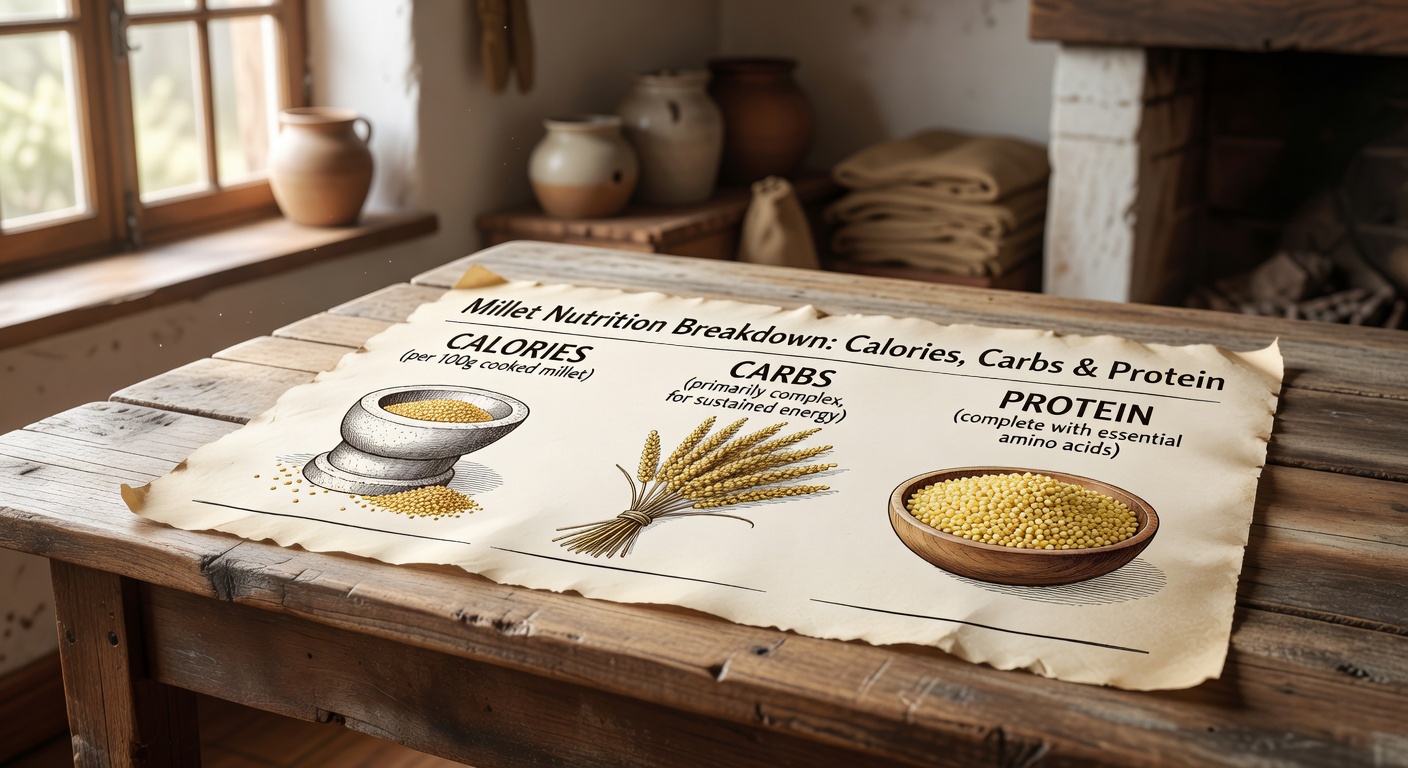
Millets provide a moderate amount of calories, similar to other whole grains. This means they are energy-dense enough to fuel your body but not excessively high when consumed in proper portions. The calorie content mainly comes from carbohydrates, with smaller contributions from protein and minimal fat.
For weight loss, calories still matter. Even though millets are healthy, overeating them can slow down progress. The advantage they offer is satiety. Because they are filling, you are less likely to consume excess calories throughout the day.
When included in balanced meals, millets can help you stay within your calorie goals without feeling hungry.
Carbohydrates in Millets
Carbohydrates make up the largest portion of millets. However, the type of carbohydrates they contain is what sets them apart. Unlike refined grains, millets are rich in complex carbohydrates, which digest slowly and release energy gradually.
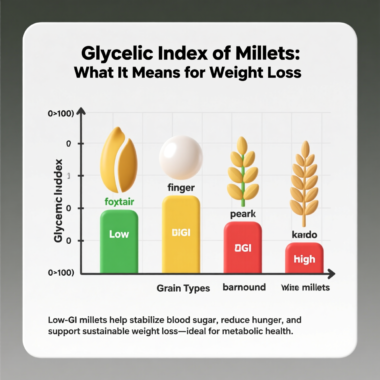
This slow digestion helps maintain stable blood sugar levels, reducing the risk of sudden spikes and crashes. Stable blood sugar is important for controlling hunger and preventing cravings, both of which play a major role in weight management.
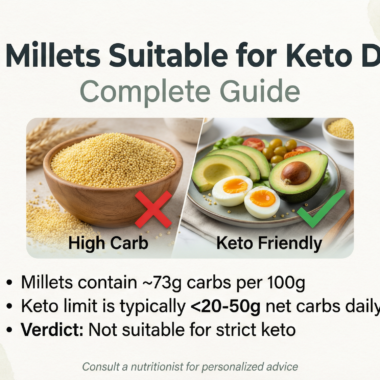
Even though millets are not low-carb foods, their quality of carbohydrates makes them suitable for balanced diets. The key is portion control and proper meal combinations.
Protein Content in Millets
Millets contain a moderate amount of protein compared to other grains. While they are not a complete protein source on their own, they still contribute to daily protein intake. Protein is essential for maintaining muscle, supporting metabolism, and improving satiety.
Combining millets with other protein sources such as legumes or dairy can create a more balanced meal. This combination enhances the overall nutritional value and supports both weight loss and general health.
Protein also helps slow down digestion, which works well with the fiber in millets to keep you full for longer periods.
Fiber: The Hidden Advantage
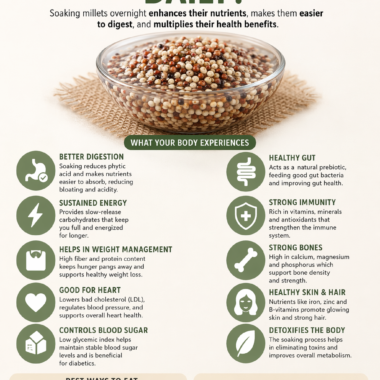
Although the focus is often on calories, carbs, and protein, fiber is one of the most important components of millets. Their high fiber content plays a major role in digestion, satiety, and blood sugar control.
Fiber slows down the absorption of carbohydrates, which helps maintain steady energy levels. It also supports gut health and improves digestion. For weight loss, fiber is crucial because it helps reduce hunger and prevents overeating.
This combination of fiber with complex carbohydrates makes millets more effective than refined grains.
How This Nutritional Profile Supports Weight Loss
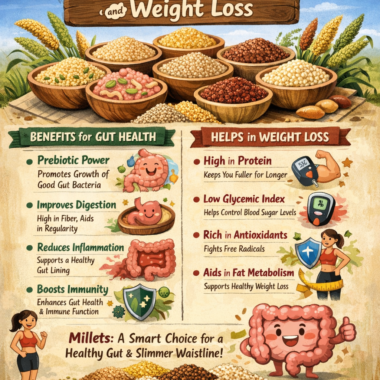
Millets support weight loss not by being low in calories, but by improving how your body responds to food. Their slow digestion helps control hunger, while their fiber content reduces the need for frequent eating.
Stable blood sugar levels prevent cravings and help maintain a consistent eating pattern. This makes it easier to stay within a calorie deficit without feeling deprived.
When combined with protein and vegetables, millets create balanced meals that support long-term weight management.
Portion Control and Balance
Even though millets are healthy, portion control is essential. Eating large quantities can increase calorie intake and slow down weight loss. Moderate servings that leave you comfortably satisfied are ideal.
Balancing millets with protein and vegetables ensures that meals are not only nutritious but also effective for maintaining energy and satiety. This approach helps you get the benefits of millets without overconsumption.
Common Misconceptions
One common misconception is that millets are low in carbohydrates. In reality, they are still a carbohydrate-rich food, but their quality makes them healthier than refined options.
Another misunderstanding is that they can be eaten in unlimited amounts. Like any food, they need to be consumed in moderation to achieve desired results.
Understanding these points helps you use millets more effectively in your diet.
Conclusion
Millets provide a balanced combination of calories, carbohydrates, and protein, along with a significant amount of fiber. Their nutritional profile makes them a valuable addition to a healthy diet, especially for those looking to manage weight and improve overall health.
The key is not just knowing their nutrient content but understanding how to use them properly. With balanced meals, portion control, and consistency, millets can support sustainable weight loss and long-term well-being.