Introduction
Millets are becoming a popular choice for healthy eating, especially for weight loss and better blood sugar control. But once you decide to include them in your diet, another question comes up—should you use whole millets or millet flour? Both come from the same grain, yet they behave very differently in the body and in your meals.
The choice is not just about convenience or taste. It affects digestion, satiety, blood sugar response, and ultimately how effective your diet is for long-term health and weight management. Understanding these differences can help you make a smarter decision based on your goals.
What Are Whole Millets and Millet Flour
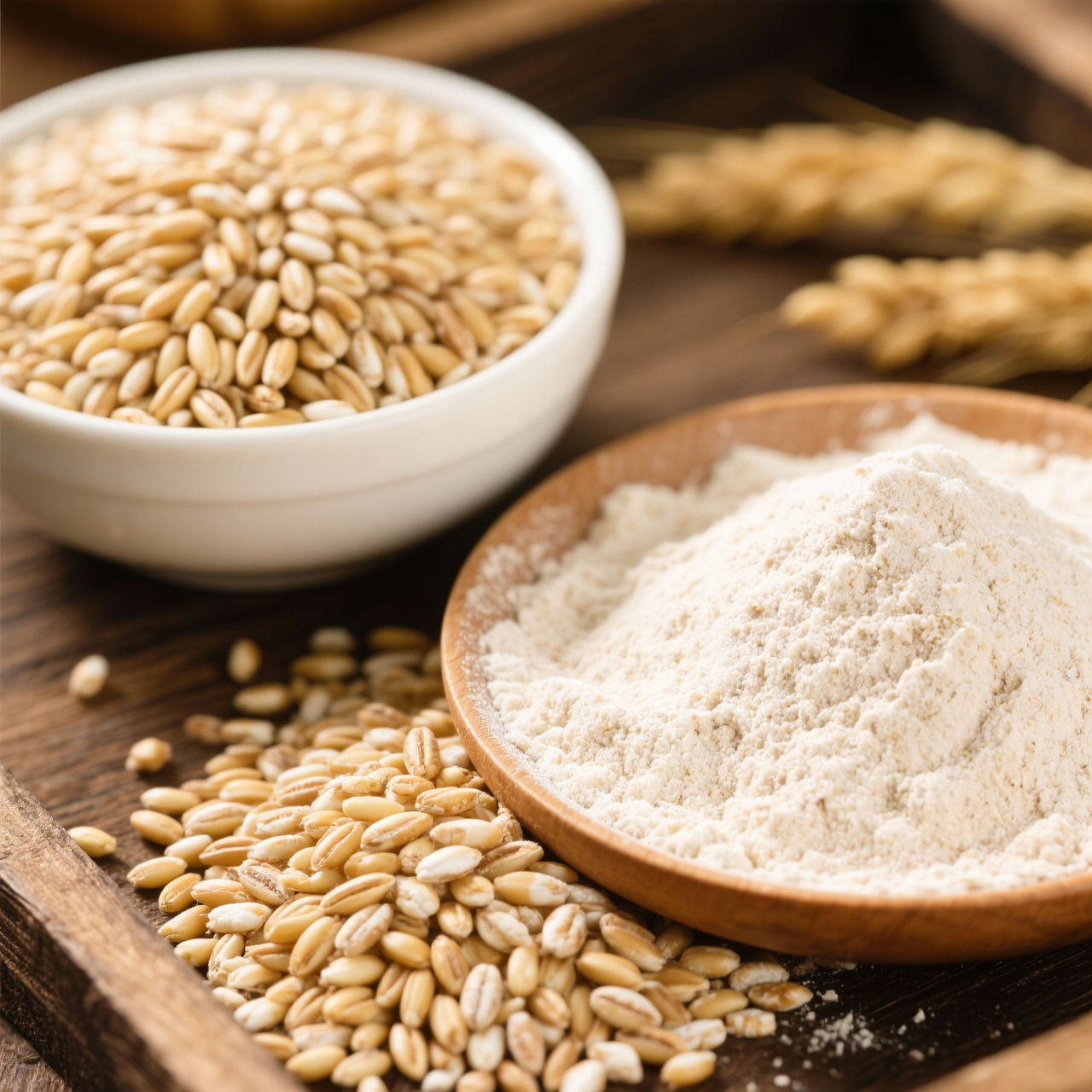
Whole millets are the intact grains that retain their natural structure, including the outer bran layer. This layer is rich in fiber and nutrients, which play a key role in digestion and satiety. Whole millets are typically cooked and eaten as a base for meals, similar to rice.
Millet flour, on the other hand, is made by grinding these grains into a fine powder. While it still contains nutrients, the physical structure of the grain is broken down. This changes how quickly it digests and how your body responds to it.
Digestion and Satiety: A Key Difference
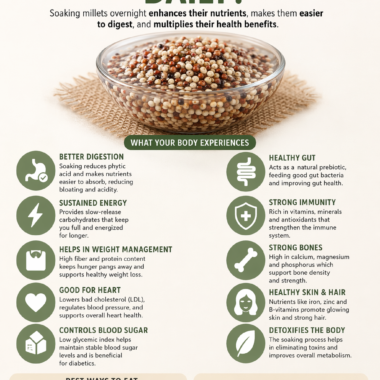
One of the most important differences between whole millets and millet flour is how they affect digestion. Whole millets take longer to break down in the digestive system. This slow digestion helps you feel full for a longer time, reducing the need for frequent snacking.
Millet flour digests faster because the grain has already been broken down during processing. This can lead to quicker hunger compared to whole millets. While it is still healthier than refined flours, it may not provide the same level of satiety.
For weight loss, foods that keep you full longer are generally more effective, which gives whole millets an advantage.
Impact on Blood Sugar Levels
The structure of food plays a major role in how it affects blood sugar. Whole millets release glucose gradually because they digest slowly. This helps maintain stable blood sugar levels and reduces insulin spikes.
Millet flour, due to its finer texture, is absorbed more quickly by the body. This can lead to a faster rise in blood sugar compared to whole millets. While it is still better than highly refined flours, it does not provide the same level of stability.
For individuals managing diabetes or trying to control cravings, whole millets are usually the better choice.
Nutritional Value: Is There a Difference?
Both whole millets and millet flour come from the same source, so their nutrient content is similar in terms of vitamins and minerals. However, the way these nutrients are utilized by the body can differ.
Whole millets retain their structure, which helps preserve fiber and slows down nutrient absorption. This allows the body to use the nutrients more efficiently over time. Millet flour, while still nutritious, may not provide the same sustained release of energy.
Processing can also lead to minor nutrient loss, especially if the flour is stored for long periods.
Convenience and Practical Use
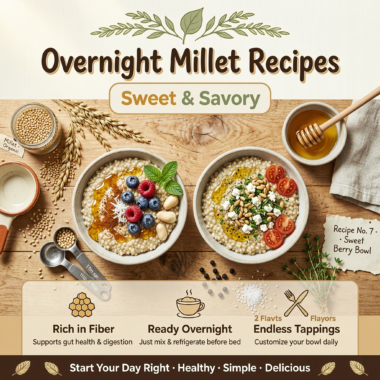
Millet flour is often more convenient, especially for quick recipes. It can be used to prepare flatbreads, pancakes, and other dishes that are easy to cook. This makes it a practical choice for busy lifestyles.
Whole millets require soaking and cooking, which can take more time. However, they can be prepared in batches and stored for later use, making them manageable with a little planning.
The choice between convenience and nutritional impact often depends on your daily routine and priorities.
Which Is Better for Weight Loss?
When it comes to weight loss, whole millets generally have the upper hand. Their ability to keep you full, stabilize blood sugar, and reduce cravings makes them more effective for maintaining a calorie deficit.
Millet flour can still be part of a weight loss diet, but it should be used carefully. Combining it with protein and fiber-rich ingredients can help improve its effectiveness and reduce rapid digestion.
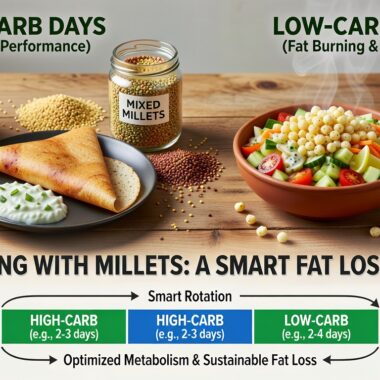
A balanced approach often works best. Using whole millets for main meals and millet flour occasionally for variety can provide both benefits and convenience.
When Should You Choose Millet Flour?
Millet flour is a good option when you need quick and easy meals or when you want to create familiar dishes with a healthier twist. It can also be useful for people who find whole grains difficult to digest initially.
However, portion control becomes more important with flour-based foods. Eating moderate amounts and pairing them with balanced ingredients helps maintain their benefits.
Conclusion
Whole millets and millet flour both have their place in a healthy diet, but they serve different purposes. Whole millets are generally better for weight loss and blood sugar control due to their slow digestion and higher satiety. Millet flour offers convenience and versatility, making it easier to include millets in a variety of recipes.
The best approach is not to choose one exclusively but to use them strategically. By understanding their differences and using them appropriately, you can create a balanced diet that supports both health and lifestyle needs.