Introduction
Gut health has become one of the most important factors in overall wellness, and it plays a surprisingly strong role in weight management. Many people focus only on calories and exercise when trying to lose weight, but the condition of the digestive system can influence how efficiently the body processes food, absorbs nutrients, and regulates hunger. This is where millets come into the picture.
Millets are not just another healthy grain. Their fiber content, natural composition, and digestion pattern make them particularly beneficial for supporting gut health. At the same time, these same properties can contribute to more effective and sustainable weight loss. Understanding how millets interact with the gut helps explain why they are often recommended in balanced diets.
The Connection Between Gut Health and Weight Loss
The gut is home to a complex community of microorganisms that influence digestion, metabolism, and even appetite. When the gut is healthy, the body processes food more efficiently and maintains better control over hunger signals. An imbalanced gut, on the other hand, can lead to poor digestion, increased cravings, and difficulty managing weight.
Improving gut health can support weight loss by enhancing nutrient absorption, reducing bloating, and promoting a more stable metabolic environment. Foods that nourish the gut tend to have a positive impact on both digestion and long-term weight management.
How Millets Support Gut Health
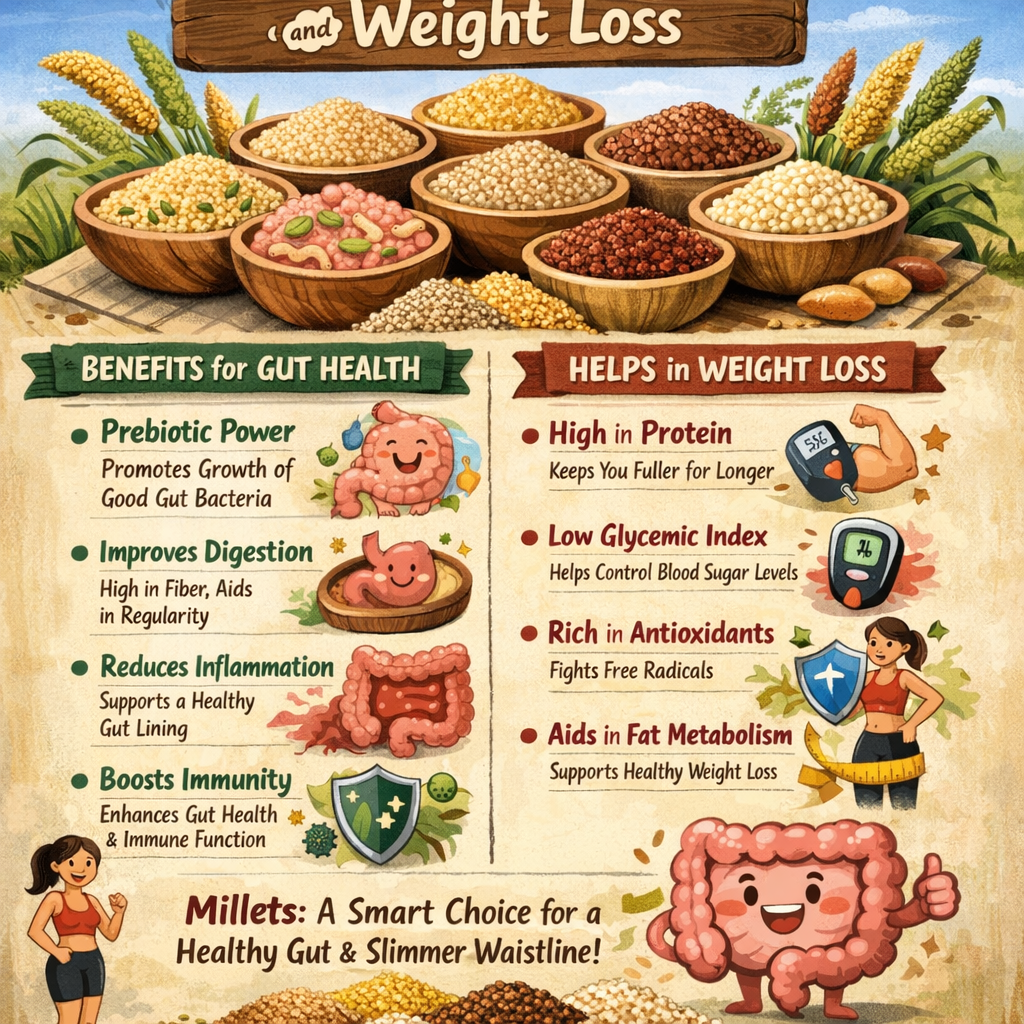
Millets are naturally high in dietary fiber, which plays a key role in maintaining a healthy digestive system. Fiber helps regulate bowel movements, supports the growth of beneficial gut bacteria, and improves overall digestion. This creates a more balanced gut environment.
The slow digestion of millets also allows for a steady release of nutrients, giving the gut more time to process food effectively. This reduces the likelihood of digestive discomfort and helps maintain stability within the digestive system.
Another benefit is their ability to reduce bloating when consumed properly. When millets are soaked and cooked correctly, they become easier to digest, minimizing the chances of discomfort and supporting a healthier gut.
Millets and Satiety
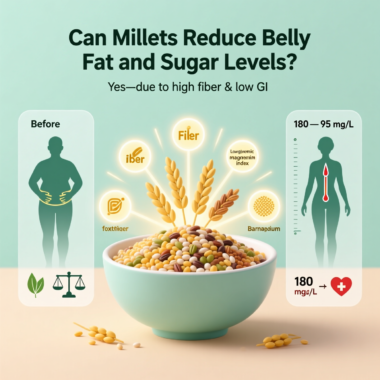
One of the main ways millets contribute to weight loss is by increasing satiety. The fiber content slows down digestion and helps you feel full for longer periods. This reduces the need for frequent eating and helps control overall calorie intake.
When hunger is managed effectively, it becomes easier to maintain a calorie deficit without feeling deprived. This is essential for sustainable weight loss, as extreme hunger often leads to overeating or abandoning a diet altogether.
Millets provide a balance of nutrients that keeps energy levels stable, further supporting consistent eating habits.
Impact on Blood Sugar and Cravings
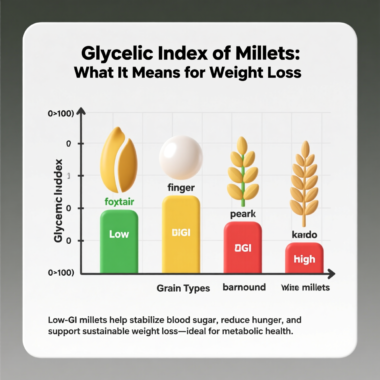
Stable blood sugar levels are important for both gut health and weight loss. Sudden spikes and drops in blood sugar can disrupt digestion and lead to increased cravings. Millets help maintain steady glucose levels due to their slow digestion.
This stability reduces the frequency of cravings, particularly for sugary or high-calorie foods. Over time, this can lead to better control over eating patterns and improved weight management.
By supporting both gut function and blood sugar balance, millets create an environment that is more conducive to fat loss.
How Gut Health Influences Fat Storage
An unhealthy gut can affect how the body stores fat. Poor digestion and imbalanced gut bacteria may lead to increased inflammation and inefficient energy use. This can make it harder to lose weight, even with a controlled diet.
By supporting gut health, millets help improve the body’s ability to process nutrients and regulate energy. This can contribute to more efficient fat utilization and gradual weight loss.
The relationship between gut health and fat storage highlights the importance of choosing foods that support digestion rather than disrupt it.
Using Millets Effectively for Gut Health
To maximize the benefits of millets, proper preparation is essential. Soaking and cooking them thoroughly improves digestibility and reduces the chances of discomfort. This step is especially important for beginners who are not used to high-fiber foods.
Combining millets with vegetables and protein creates balanced meals that support both gut health and satiety. This approach ensures that the body receives a wide range of nutrients while maintaining digestive comfort.
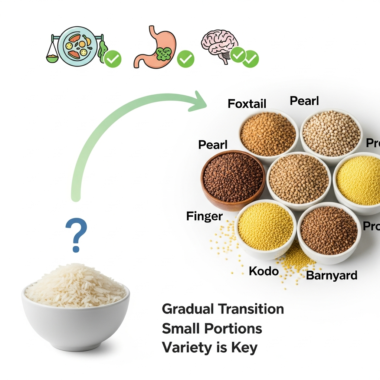
Gradual introduction is also important. Increasing fiber intake slowly allows the gut to adapt, reducing the likelihood of bloating or other issues.
Common Mistakes to Avoid
One common mistake is introducing millets too quickly into the diet. A sudden increase in fiber can overwhelm the digestive system and cause discomfort. Another issue is ignoring hydration. Adequate water intake is essential for fiber to work effectively in the body.
Overeating millets can also lead to digestive issues and slow down weight loss. Maintaining moderate portions ensures that the benefits are maximized without negative effects.
Proper preparation and balanced meals are key to avoiding these problems.
Conclusion
Millets have a strong impact on both gut health and weight loss due to their fiber content, slow digestion, and ability to stabilize blood sugar levels. By supporting a healthy digestive system, they create the conditions needed for effective and sustainable fat loss.
However, their benefits depend on how they are used. Proper preparation, gradual introduction, and balanced meals are essential for achieving the best results. When included thoughtfully in your diet, millets can support both digestive health and long-term weight management.