Introduction
A structured 30-day plan can be a powerful way to reset your eating habits and accelerate weight loss, especially when built around nutrient-dense foods like millets. Unlike short-term crash diets, a month-long approach allows your body to adapt gradually, making fat loss more sustainable and less stressful. Millets, with their high fiber content, slow digestion, and ability to stabilize blood sugar, create the ideal foundation for such a plan.
The promise of “real results” is what makes this approach appealing. While outcomes vary from person to person, many individuals notice visible changes in weight, energy levels, and digestion within 30 days. The key is not just including millets, but using them strategically as part of a balanced and consistent routine.
Why Millets Work So Well Over 30 Days
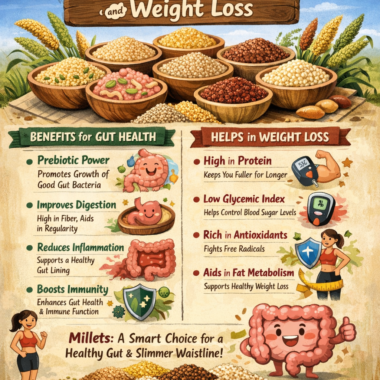
Millets support weight loss by addressing several core factors that influence fat gain. One of the most important is appetite control. Foods that digest quickly often lead to frequent hunger, making it difficult to maintain a calorie deficit. Millets, on the other hand, digest slowly and keep you full for longer, naturally reducing calorie intake.
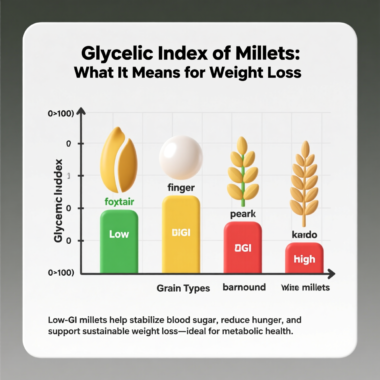
Another major benefit is blood sugar stability. When blood sugar levels fluctuate, the body tends to store more fat and trigger cravings for high-calorie foods. Millets release energy gradually, helping maintain steady glucose levels and preventing these spikes and crashes.
Over a 30-day period, these effects compound. Reduced cravings, better portion control, and improved digestion create an environment where fat loss becomes more consistent and noticeable.
What “Real Results” Actually Mean
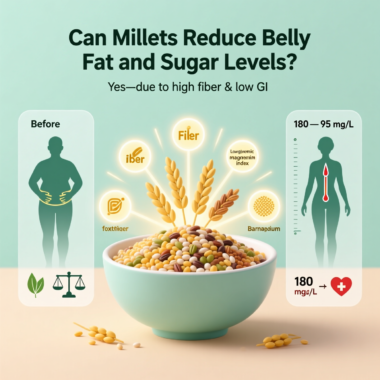
The term “real results” does not necessarily mean extreme weight loss. For most people, a healthy and sustainable rate of weight loss is around 2 to 4 kilograms in a month. Some individuals may lose more, especially if they are starting from a higher weight or making significant dietary changes, while others may see slower progress.
In addition to weight reduction, many people experience improvements in digestion, reduced bloating, better energy levels, and more stable hunger patterns. These changes are often just as important as the number on the scale, as they indicate a healthier and more balanced body.
How the 30-Day Millet Plan Works
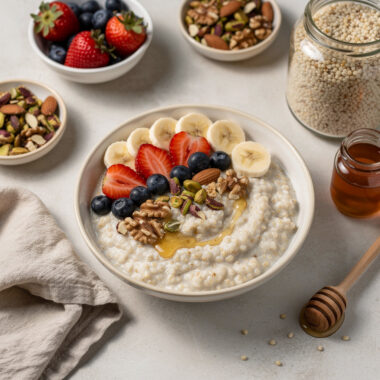
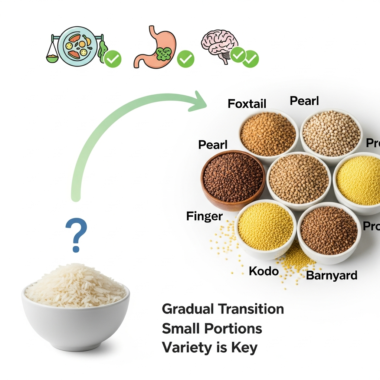
A successful millet-based weight loss plan revolves around replacing refined grains with millets while maintaining a balanced intake of protein and vegetables. Breakfast typically includes light, filling options that provide steady energy without causing blood sugar spikes. This helps control hunger throughout the day.
Lunch becomes the main meal, where millets replace rice or wheat. Combining them with vegetables and protein ensures that the meal is both satisfying and nutritionally complete. This balance supports sustained energy and reduces the likelihood of overeating later.
Dinner is lighter, focusing on easy-to-digest meals that support metabolism without adding unnecessary calories. Smaller portions of millets, paired with vegetables, help maintain satiety while keeping the overall calorie intake low.
Hydration and physical activity are essential components of the plan. Drinking enough water supports digestion and metabolism, while regular movement helps increase calorie expenditure and improve overall fitness.
The First Week: Adjusting to the Diet
During the first week, the body begins to adjust to higher fiber intake and reduced refined carbohydrates. Some people may experience mild digestive changes, such as bloating, as the body adapts. This is normal and usually temporary.
At this stage, the focus should be on consistency rather than perfection. Gradually incorporating millets into meals and maintaining balanced portions helps the body transition smoothly. Early results may include reduced bloating and slight weight loss, often due to a combination of water loss and improved digestion.
The Second and Third Weeks: Building Momentum
By the second and third weeks, the body becomes more accustomed to the new diet. Hunger levels often stabilize, making it easier to maintain a calorie deficit. Energy levels improve as the body adapts to the steady release of energy from millets.
This is when more noticeable weight loss typically occurs. Consistency during this phase is crucial, as small deviations can slow progress. Staying active and maintaining balanced meals ensures that the momentum continues.
The Final Week: Visible Changes and Habit Formation
In the final week, many people begin to see visible changes in their body. Clothes may fit better, energy levels are more stable, and overall well-being improves. By this point, the routine starts to feel more natural, making it easier to sustain beyond the 30-day period.
The focus during this phase should be on maintaining consistency and preparing for long-term habits. Rather than viewing the plan as something that ends after 30 days, it should be seen as the foundation for a healthier lifestyle.
Common Mistakes That Affect Results
One of the most common mistakes is overeating millets. Despite being healthy, they still contain calories, and excessive portions can slow down weight loss. Another issue is neglecting protein, which can lead to increased hunger and reduced muscle maintenance.
Cooking methods also matter. Using excessive oil or preparing calorie-dense recipes can reduce the effectiveness of the plan. Inconsistency, such as frequently switching between healthy and unhealthy eating patterns, can also limit results.
Conclusion
A 30-day millet weight loss plan can deliver real and noticeable results when followed consistently. While the exact amount of weight loss varies, the combination of improved satiety, stable energy levels, and better digestion makes millets a powerful tool for fat loss.
The true success of this plan lies not just in short-term results but in the habits it helps build. By continuing to incorporate millets into a balanced diet beyond the 30 days, you can maintain your progress and achieve long-term health and fitness goals.