Introduction
Millets are often recommended for weight loss and healthy eating, but one important detail many people overlook is that not all millets have the same carbohydrate content. If your goal is fat loss, blood sugar control, or even a low-carb diet, choosing the right type of millet becomes essential. Some millets are significantly lower in effective carbohydrates and glycemic impact, while others are more energy-dense and need stricter portion control.
Understanding which millet has the lowest carbs is not just about numbers. It is about how those carbs behave in your body—how quickly they digest, how they affect insulin levels, and how they influence hunger. A millet with slightly higher carbs but slower digestion may still be better for weight loss than one that digests quickly. This is why a deeper comparison is necessary to make the right choice.
What “Low Carb” Really Means in Millets
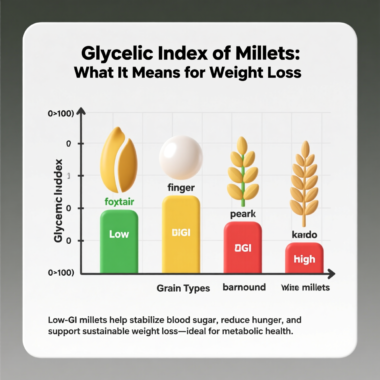
When discussing carbohydrates in millets, it is important to look beyond total carb content and consider factors such as fiber and glycemic index. Fiber reduces the effective carb load by slowing digestion and improving satiety. Similarly, a lower glycemic index means that the carbs are released gradually, preventing sudden spikes in blood sugar.
This is why some millets are considered “low carb” in a practical sense even if their total carbohydrate content is not extremely low. They behave like low-carb foods because they keep you full longer and reduce the likelihood of fat storage.
Barnyard Millet: The Lowest Carb Option
Among all millets, barnyard millet is widely regarded as the lowest in effective carbohydrates. It has a very low glycemic index and a high fiber content, which slows down digestion and minimizes blood sugar spikes. This makes it one of the best choices for weight loss and for individuals looking to reduce carbohydrate intake.
Barnyard millet is particularly effective when used as a replacement for rice. Its light texture and ability to absorb flavors make it easy to incorporate into everyday meals. Because it keeps you full for longer periods, it also helps reduce overall calorie intake, which is essential for fat loss.
Foxtail Millet: Low Carb with Balanced Energy
Foxtail millet is another excellent option for those seeking a low-carb diet. While its total carbohydrate content is slightly higher than barnyard millet, its low glycemic index ensures that these carbs are released slowly into the bloodstream.
This steady energy release makes foxtail millet ideal for maintaining consistent energy levels throughout the day. It is especially useful for people who want to lose weight without feeling fatigued. Its ability to regulate blood sugar also makes it a strong choice for controlling cravings and preventing overeating.
Little Millet: Moderate Carbs with High Fiber
Little millet offers a good balance between carbohydrate content and fiber. Although it is not the lowest in carbs, its high fiber content reduces the overall glycemic impact, making it suitable for weight loss.
One of the key advantages of little millet is its effect on digestion. It supports gut health and helps improve nutrient absorption, both of which are important for effective weight management. Its ability to keep you full also makes it a practical choice for reducing calorie intake.
Kodo Millet: Slow-Digesting Carbohydrates
Kodo millet contains moderate levels of carbohydrates but stands out due to its slow digestion and antioxidant properties. The gradual release of energy helps prevent sudden hunger and supports steady fat loss over time.
It is particularly beneficial for individuals who want a balanced approach to weight loss rather than an extremely low-carb diet. Its detoxifying properties also support overall metabolic health, making it a valuable addition to a healthy eating plan.
Sorghum (Jowar) and Pearl Millet (Bajra): Higher Carb Options
Sorghum and pearl millet are slightly higher in carbohydrates compared to the millets mentioned above. However, they still offer benefits due to their fiber content and nutrient density. They are more suitable for individuals who require sustained energy, such as those with active lifestyles.
While they may not be the best choice for strict low-carb diets, they can still be included in moderation as part of a balanced weight loss plan. Their ability to provide satiety helps control overall calorie intake, which remains the most important factor for fat loss.
Full Comparison: Understanding the Differences
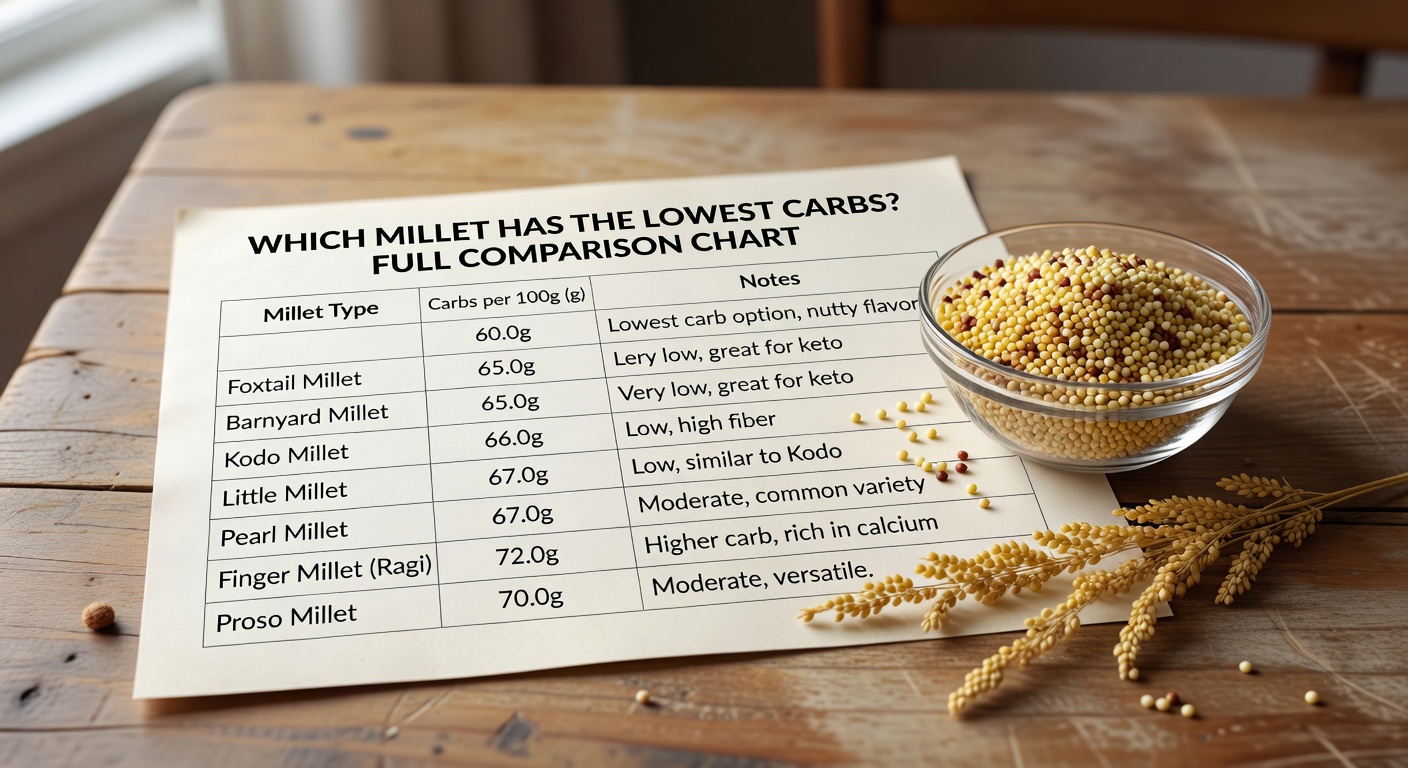
When comparing millets, barnyard millet clearly ranks as the lowest in effective carbohydrates, followed closely by foxtail millet. Little and kodo millet fall into a moderate category, offering a balance between carbs and fiber. Sorghum and pearl millet are higher in carbs but still beneficial when used appropriately.
The key takeaway is that carbohydrate content alone does not determine effectiveness. The combination of fiber, glycemic index, and digestion rate plays a crucial role in how each millet supports weight loss.
Which Millet Should You Choose?
If your primary goal is to reduce carbohydrate intake and accelerate fat loss, barnyard millet is the best choice. For those seeking a balance between energy and weight management, foxtail millet provides an excellent option. If digestive health is a priority, little millet can be particularly beneficial.
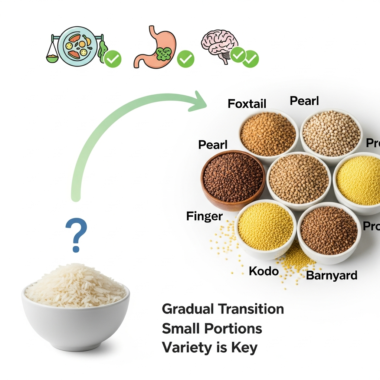
For a more flexible and sustainable diet, rotating different millets can provide a variety of nutrients while preventing monotony. This approach also allows you to enjoy the benefits of each type without relying too heavily on a single grain.
Conclusion
Choosing the right millet for a low-carb diet is about more than just numbers. Barnyard millet stands out as the lowest-carb option, but other millets like foxtail, little, and kodo also offer valuable benefits that support weight loss in different ways.
Understanding how each millet affects digestion, satiety, and blood sugar can help you make better dietary choices. By selecting the right types and using them strategically, you can create a balanced diet that supports both fat loss and overall health.