Introduction
Choosing the right staple food is one of the most important decisions when trying to lose weight, especially in diets where rice, roti, or millets form the foundation of most meals. Many people struggle with the question of which option is best for fat loss, often switching between them without fully understanding how each one affects the body. While all three can be part of a healthy diet, they differ significantly in how they influence hunger, blood sugar levels, and overall calorie intake.
Weight loss is not just about cutting food but about selecting foods that help control appetite, provide steady energy, and support metabolism. Rice, millets, and roti each have unique nutritional properties, and knowing how they compare can help you make smarter choices that align with your weight loss goals.
Understanding Rice and Its Impact on Weight Loss
Rice is one of the most commonly consumed staple foods, particularly white rice, which is highly refined. During processing, the outer bran and germ layers are removed, leaving mostly simple carbohydrates. This makes white rice easy to digest, but it also causes rapid spikes in blood sugar levels.
These spikes are often followed by a quick drop in energy, which can trigger hunger and cravings. This cycle may lead to overeating, making it harder to maintain a calorie deficit. While rice is not inherently bad, its impact on weight loss depends heavily on portion size and how it is combined with other foods.
Brown rice is a better alternative because it retains more fiber and nutrients. However, even brown rice has a moderate glycemic impact compared to millets, which means it still needs to be consumed in controlled portions for effective weight loss.
Roti and Its Role in a Weight Loss Diet
Roti, typically made from whole wheat flour, is often considered a healthier option than white rice due to its higher fiber content. The presence of fiber slows digestion slightly, leading to more stable blood sugar levels compared to refined grains.
However, roti is still a carbohydrate-rich food, and its effect on weight loss depends on how much you eat and what you eat with it. Consuming multiple rotis in a meal without balancing them with protein and vegetables can increase calorie intake and slow down fat loss.
Another factor to consider is gluten. While many people tolerate gluten well, some individuals may experience bloating or digestive discomfort, which can affect how they feel during a weight loss journey. For those sensitive to gluten, millets can serve as a better alternative.
Millets: A Strong Contender for Weight Loss
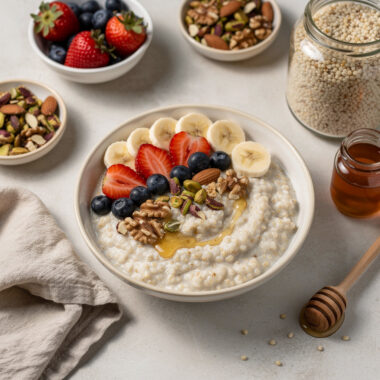
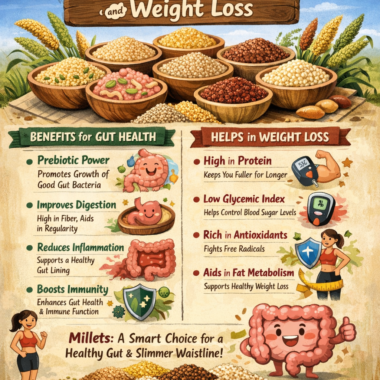
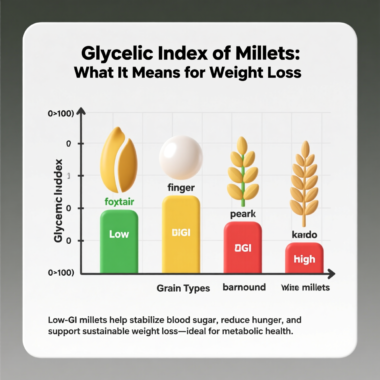
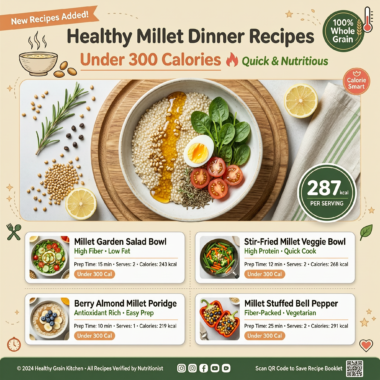
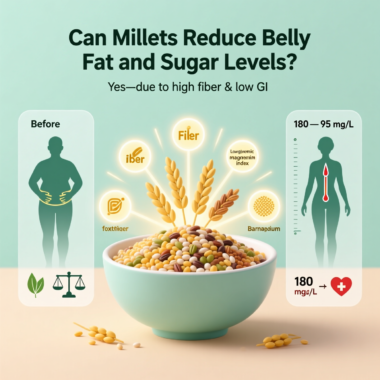
Unlike refined grains, millets digest slowly and release energy gradually, helping maintain stable blood sugar levels throughout the day.
Reduced snacking naturally lowers calorie intake, which is essential for weight loss.
Millets are also rich in essential nutrients such as magnesium, iron, and antioxidants, which support metabolism and overall health.
Comparing Rice, Millets, and Roti for Fat Loss
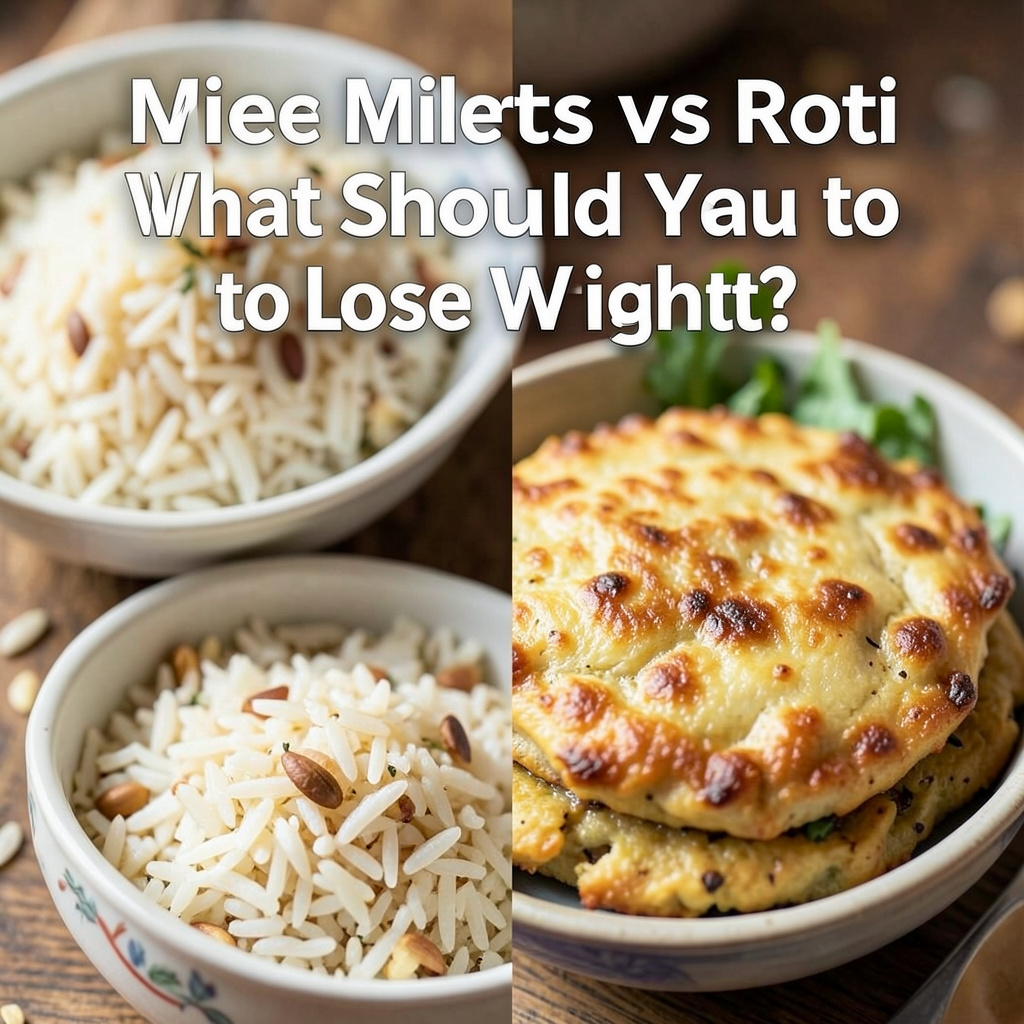
When comparing these three options, the key differences lie in how they affect hunger and blood sugar. Rice, especially in its refined form, is quickly digested and can lead to frequent hunger. Roti offers slightly better satiety due to its fiber content but still requires portion control.
Millets, on the other hand, provide the best balance of slow digestion, high satiety, and stable energy release. This makes them particularly effective for controlling appetite and maintaining a calorie deficit over time.
However, the choice is not always about selecting a single option. Each food can play a role in a balanced diet when used correctly. The goal is to minimize refined carbohydrates, control portions, and ensure that meals are nutritionally balanced.
Which One Should You Choose for Weight Loss?
If the primary goal is faster and more efficient weight loss, millets generally offer the most advantages. It offers a familiar and convenient option for many people, making it easier to maintain consistency.
Rice, while less ideal in its refined form, does not need to be completely eliminated.
Ultimately, the best choice depends on your lifestyle, preferences, and ability to maintain consistency.
How to Use These Staples Effectively
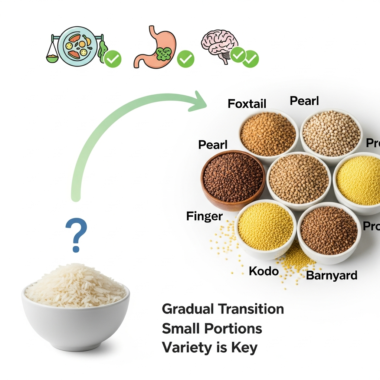
For optimal weight loss, it is important to focus on balance rather than elimination. Replacing a portion of rice or roti with millets can significantly improve the nutritional quality of your meals. Combining these staples with protein sources such as lentils, eggs, or dairy enhances satiety and supports muscle maintenance.
Vegetables should form a large part of your meals, adding fiber and nutrients without significantly increasing calorie intake. Timing can further enhance results.
Conclusion
Rice, millets, and roti can all be part of a weight loss diet, but they differ in how effectively they support fat loss. The key to successful weight loss lies not in completely eliminating foods but in understanding how to use them wisely.