Introduction
Millets are often recommended for weight loss because of their high fiber content, slow digestion, and ability to keep you full for longer. However, simply adding millets to your diet is not enough. The way you cook them can either support your weight loss goals or quietly work against them. Many people unknowingly turn a healthy grain into a calorie-dense meal by using the wrong cooking methods, excess oil, or improper portions.
Cooking millets properly is not complicated, but it does require a clear understanding of how to prepare them in a way that preserves their nutritional value while keeping meals light and balanced. When done right, millets can become one of the most effective and satisfying components of a weight-loss-friendly diet.
Why Cooking Method Matters for Weight Loss
Millets are naturally healthy, but their impact on your body depends on how they are prepared. Cooking methods that involve excessive oil, frying, or heavy ingredients can significantly increase calorie intake, reducing their effectiveness for fat loss. On the other hand, simple and clean cooking methods help retain their fiber content and make them easier to digest.
Another important factor is texture. Properly cooked millets are light and fluffy, making them more enjoyable to eat and easier to combine with other foods. Poorly cooked millets can feel heavy or sticky, which may lead to discomfort or overeating.
The goal is to cook millets in a way that keeps them light, digestible, and aligned with your weight loss goals.
Choosing the Right Millet
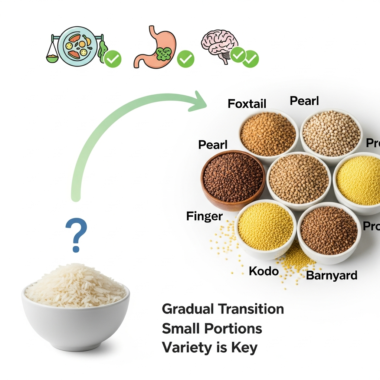
Different types of millets have slightly different textures and cooking requirements, but the basic principles remain the same. Some millets are softer and cook faster, while others are firmer and require a bit more time. For weight loss, the choice often depends on personal preference and how easily you can include them in your daily meals.
Starting with millets that are easy to cook and digest can make the process smoother, especially if you are new to them. Over time, you can explore other varieties and include them in your routine for variety and balanced nutrition.
The Importance of Washing and Soaking
One of the most important steps in cooking millets is proper preparation. Washing them thoroughly removes dust and impurities, while soaking helps improve digestibility. Soaking also reduces compounds that can interfere with nutrient absorption and makes the grains softer, allowing them to cook more evenly.
For weight loss, this step is particularly helpful because it ensures that the millets are easier on the digestive system. When your body digests food efficiently, it can better utilize nutrients and maintain a healthy metabolism.
Cooking Millets the Right Way
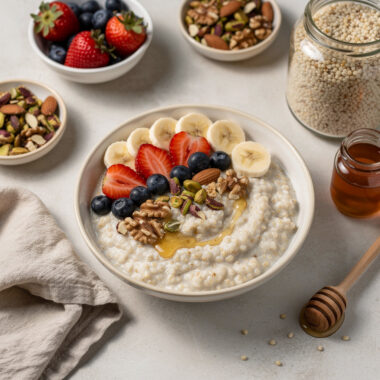
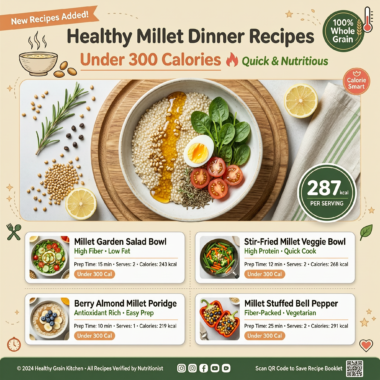
The simplest and most effective way to cook millets is by boiling them with the right amount of water. This method keeps the dish light and avoids unnecessary calories. The key is to achieve a soft, fluffy texture rather than a sticky or mushy one.
Using minimal oil is essential. While a small amount can enhance flavor, excessive oil adds calories without providing additional benefits. Keeping the cooking process simple ensures that the natural properties of millets are preserved.
Cooking time should be just enough to soften the grains without overcooking them. Overcooked millets can lose their texture and become less satisfying, which may affect portion control.
Pairing Millets for Better Results
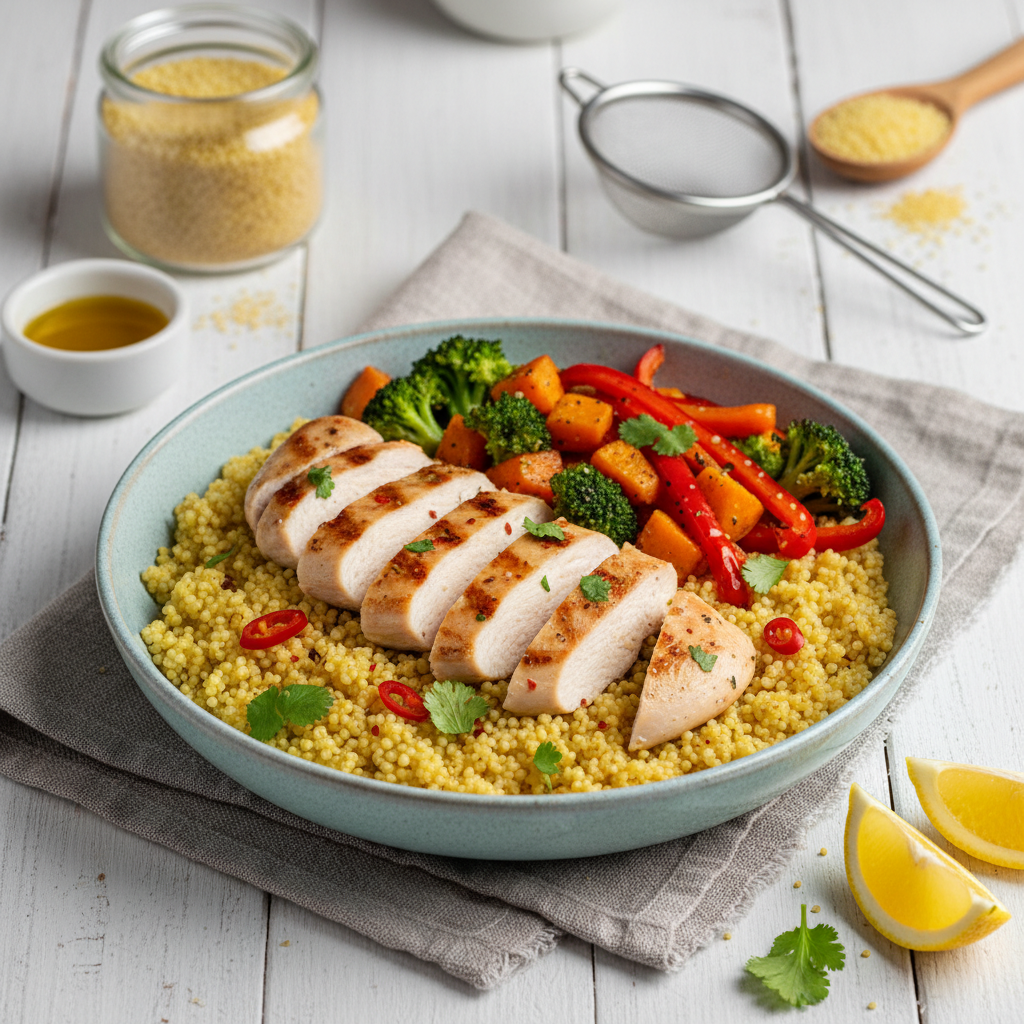
Millets should not be eaten alone if your goal is weight loss. Combining them with vegetables increases fiber and volume without adding too many calories, making meals more filling and balanced. Adding a source of protein, such as lentils or dairy, enhances satiety and supports muscle maintenance.
This combination not only improves the nutritional quality of your meals but also helps control hunger throughout the day. Balanced meals make it easier to maintain a calorie deficit without feeling deprived.
Keeping Meals Light and Balanced
For weight loss, the focus should always be on keeping meals light. Avoiding heavy gravies, fried ingredients, or excessive spices can make a big difference. Simple preparations allow your body to digest food more efficiently and prevent unnecessary calorie intake.
Portion control also plays a crucial role. Even though millets are healthy, eating large quantities can slow down weight loss. Moderate portions combined with balanced ingredients create the best results.
Common Cooking Mistakes to Avoid
Many beginners make the mistake of treating millets like rice and cooking them in large quantities with heavy accompaniments. This can lead to overeating and reduce their effectiveness for weight loss. Another common issue is skipping the soaking step, which can make millets harder to digest.
Using too much oil or preparing rich dishes is another factor that can turn a healthy meal into a high-calorie one. Keeping the cooking process simple and mindful helps avoid these problems.
Conclusion
Cooking millets perfectly for weight loss is not about complex recipes or strict rules. It is about using simple methods that preserve their natural benefits while keeping meals light and balanced. Proper washing, soaking, and minimal cooking techniques ensure that millets are easy to digest and effective for controlling hunger.
When combined with vegetables, protein, and proper portion control, millets can become a powerful tool for achieving sustainable weight loss. With the right approach, they can easily fit into your daily routine and support long-term health without making your diet complicated.