Introduction
Millets have become one of the most recommended foods for weight loss, but many people still struggle with one important question: when is the best time to eat them? While choosing the right type of millet is essential, timing plays an equally powerful role in how your body uses those nutrients. Eating the same food at different times of the day can lead to completely different outcomes in terms of fat loss, energy levels, and digestion.
Weight loss is not just about what you eat; it is also about how your body processes food throughout the day. Your metabolism, hormone levels, and activity patterns all influence whether the food you consume is used for energy or stored as fat. Understanding whether millets are better in the morning or at night can help you maximize their fat-burning potential and avoid common mistakes that slow down progress.
Why Timing Matters for Weight Loss
The body’s metabolism follows a natural rhythm that changes throughout the day. In the morning and early afternoon, metabolism tends to be more active, meaning the body is better equipped to process carbohydrates and convert them into energy. As the day progresses, metabolic activity gradually slows down, and the body becomes less efficient at burning calories.
Millets, although healthy, are still a source of carbohydrates. Eating them at the right time ensures that these carbohydrates are used for energy rather than stored as fat. When consumed at the wrong time or in excessive portions, even healthy foods can contribute to weight gain instead of weight loss.
Eating Millets in the Morning: The Fat-Loss Advantage
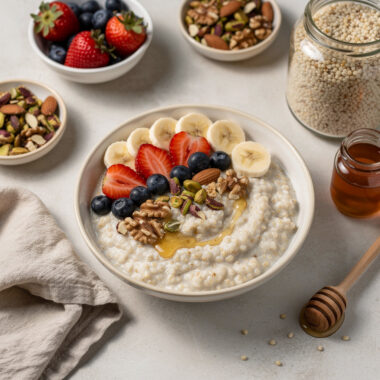
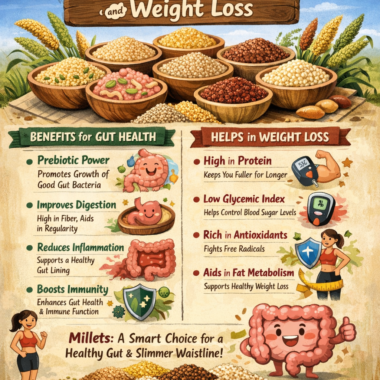
Consuming millets in the morning offers the greatest benefit for weight loss. After a night of fasting, the body needs energy to kickstart metabolism and support daily activities. Millets provide a slow and steady release of energy due to their high fiber content and low glycemic impact. This helps maintain stable blood sugar levels and prevents sudden hunger later in the day.
A millet-based breakfast can significantly reduce cravings and unnecessary snacking. Because millets keep you full for longer, they naturally help control calorie intake without requiring strict dieting. This makes mornings the most effective time to include millets if your goal is fat loss.
Another advantage of eating millets early in the day is that your body has enough time to utilize the energy they provide. Whether you are working, exercising, or simply staying active, the calories consumed are more likely to be burned rather than stored.
Midday Consumption: Balanced and Sustainable Energy
Eating millets during lunch is also highly effective for weight loss. At this time, metabolism is still active, and the body can efficiently process carbohydrates.
A balanced lunch that includes millets, vegetables, and protein provides sustained energy and prevents afternoon fatigue. This reduces the likelihood of reaching for unhealthy snacks later in the day. For many people, lunch is the most practical and sustainable time to include millets regularly in their diet.
Eating Millets at Night: Helpful or Harmful?
Eating millets at night is not necessarily harmful, but it requires more caution. Since metabolism slows down in the evening, the body is less efficient at burning carbohydrates. Large or heavy millet-based meals at night can lead to excess calorie storage, which may slow down weight loss.
However, this does not mean millets should be completely avoided at dinner. Pairing millets with vegetables and limiting oil usage helps keep the meal light and suitable for nighttime digestion.
The key is moderation. A light millet dinner can support satiety and prevent late-night snacking, but overeating can have the opposite effect.
Morning vs Night: Which is Better for Weight Loss?
When comparing morning and night, the morning clearly stands out as the better time to eat millets for weight loss. This is because the body is more active, insulin sensitivity is higher, and the energy from carbohydrates is more likely to be used rather than stored.
Nighttime consumption, while not entirely harmful, is less efficient for fat loss due to slower metabolism. If millets are eaten at night, keeping portions small and meals light becomes essential. For faster and more noticeable results, focusing on morning and midday consumption is the most effective strategy.
How to Time Millet Intake for Maximum Fat Loss
This approach allows your body to burn the calories effectively while maintaining satiety throughout the day.
Dinner should be lighter and focused on easy digestion. If millets are included, they should be in smaller portions and combined with vegetables rather than heavy or calorie-dense ingredients. This balance ensures that your body can rest and recover without storing excess fat overnight.
Consistency is the most important factor. Following a structured routine where millets are consumed at the right times each day can significantly improve weight loss outcomes over time.
Conclusion
The best time to eat millets for weight loss is in the morning and early afternoon, when your metabolism is most active and capable of utilizing carbohydrates efficiently. This timing helps control hunger, stabilize blood sugar, and support steady fat loss. While millets can still be eaten at night, doing so requires careful portion control and lighter preparation methods.
Ultimately, weight loss is about aligning your food choices with your body’s natural rhythms. By consuming millets at the right time and maintaining a balanced diet, you can maximize their benefits and achieve sustainable results without extreme restrictions.