Introduction
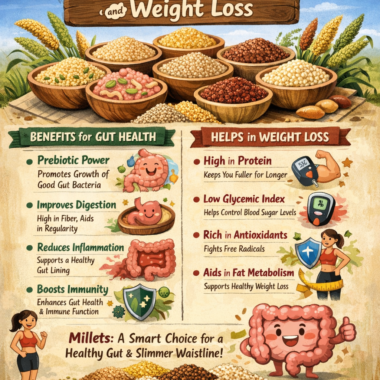
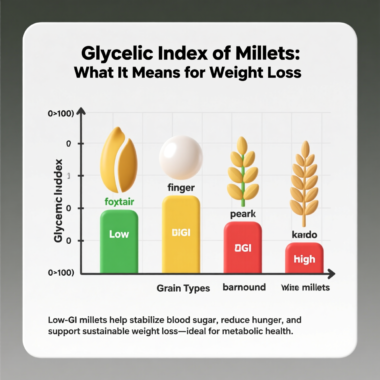
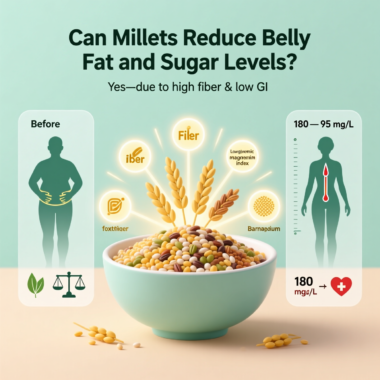
Millets have become a go-to choice for anyone trying to lose weight in a healthy and sustainable way. Unlike refined grains, millets are rich in fiber, digest slowly, and help keep hunger under control for longer periods. This makes them ideal for creating meals that support fat loss without making you feel deprived. However, one of the biggest challenges people face is knowing how to actually cook millets in a way that is both tasty and suitable for weight loss.
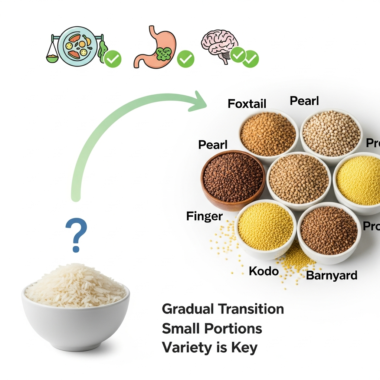
The key is to prepare millet-based meals that are simple, balanced, and low in unnecessary calories. When cooked correctly and combined with vegetables and protein, millets can easily fit into every meal of the day, from breakfast to dinner. Instead of thinking of them as a replacement for rice alone, it is more effective to explore a variety of recipes that keep your diet interesting and enjoyable.
Starting the Day with Light and Filling Millet Breakfasts
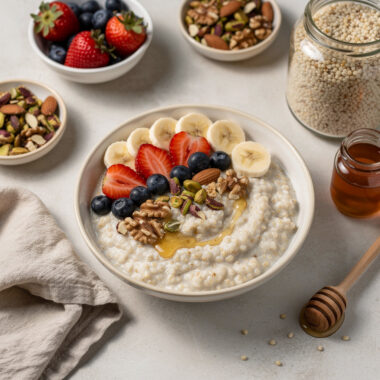
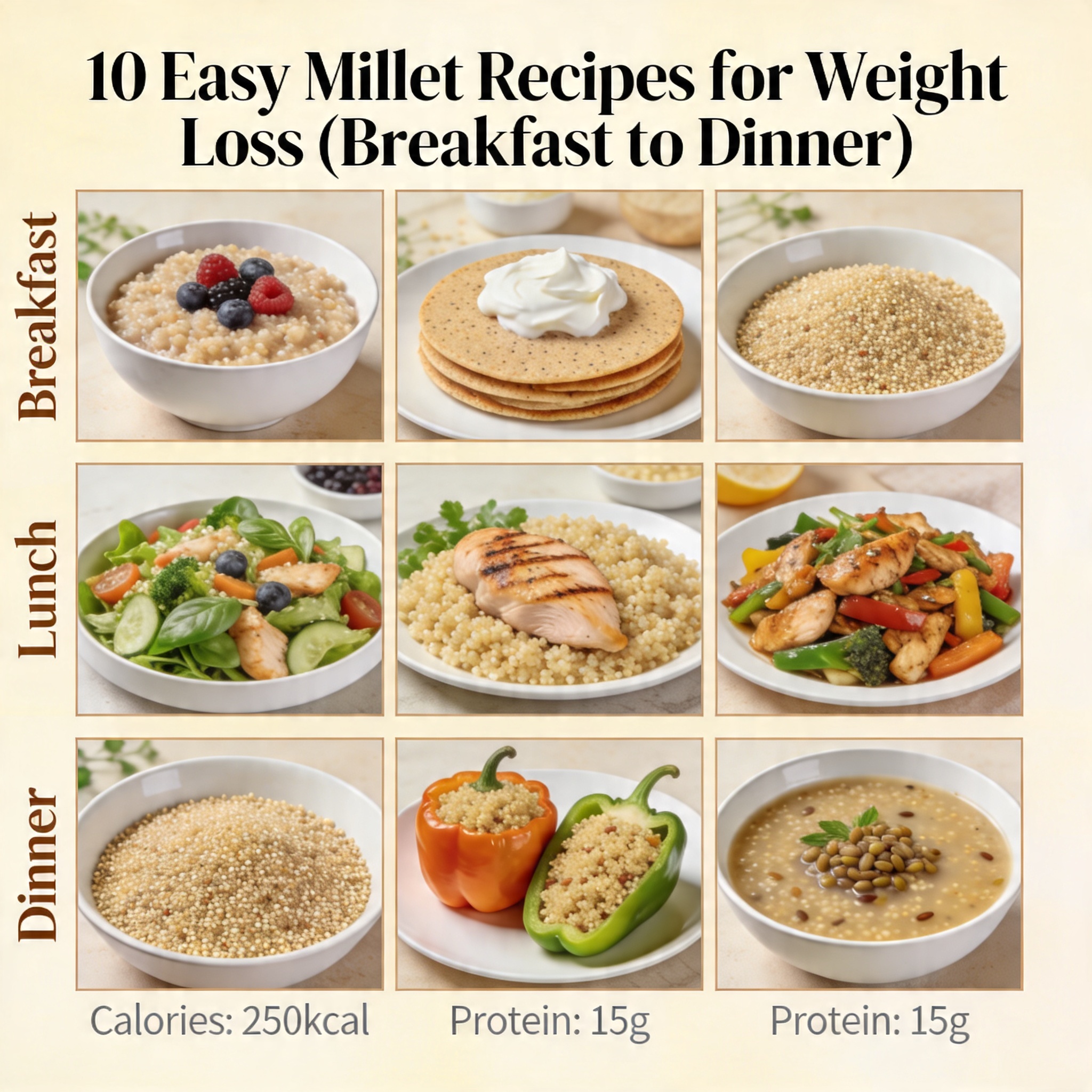
A healthy breakfast sets the tone for the entire day, and millet-based breakfasts are particularly effective at keeping hunger in check. One of the simplest options is a warm millet porridge made with water or low-fat milk, lightly seasoned with spices or a small amount of natural sweetness. This type of breakfast digests slowly and provides steady energy, preventing mid-morning cravings.
Another excellent option is millet upma, where cooked millets are combined with vegetables like carrots, beans, and peas. The addition of vegetables increases fiber content, making the meal more filling without adding many calories. This kind of breakfast is not only nutritious but also easy to prepare, making it suitable for busy mornings.
Millet dosa is another popular choice, especially for those who enjoy traditional flavors. By fermenting millet batter and cooking it with minimal oil, you get a light yet satisfying meal that supports digestion and weight loss. Pairing it with a simple chutney instead of calorie-dense sides keeps the meal balanced.
Midday Meals That Support Sustained Energy
Lunch is an important meal where millets can truly shine as a substitute for rice. A basic millet vegetable bowl is one of the easiest and most effective recipes. Cooked millets are mixed with sautéed vegetables and a source of protein such as lentils or paneer. This combination ensures that you stay full for hours while also meeting your nutritional needs.
Millet khichdi is another comforting and weight-loss-friendly dish. By cooking millets with lentils and vegetables, you create a balanced one-pot meal that is easy to digest and low in calories. It is especially useful for those who prefer simple meals that do not require complex preparation.
For those who enjoy salads, adding cooked and cooled millets to a bowl of fresh vegetables creates a refreshing and nutrient-rich meal. A light dressing with lemon juice and minimal oil enhances the flavor without adding unnecessary calories. This type of meal is ideal for warm days when you want something light yet satisfying.
Smart Snacks to Avoid Unhealthy Cravings
Snacking can often derail weight loss efforts, but millet-based snacks offer a healthier alternative. Lightly roasted millet snacks or small millet cutlets made with vegetables can help control hunger between meals. The key is to keep these snacks simple and avoid deep frying, which adds excess calories.
Millet-based soups are another excellent option. Adding a small amount of cooked millet to vegetable soup increases its thickness and satiety factor, making it more filling than plain soup. This helps reduce the temptation to reach for processed snacks later in the day.
Light and Satisfying Millet Dinners
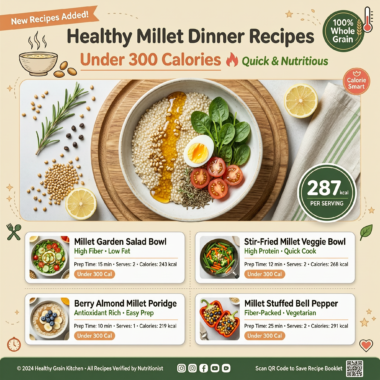
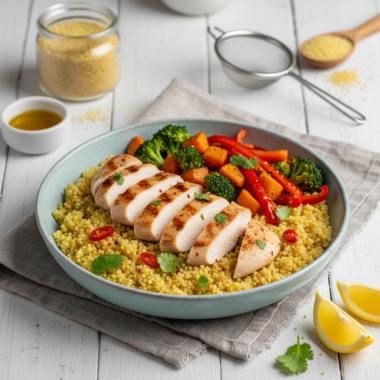
Dinner should ideally be light and easy to digest, and millets can be adapted perfectly for this purpose. A simple millet vegetable stir-fry, prepared with minimal oil, provides a balanced meal without feeling heavy. The fiber content helps you feel satisfied while keeping calorie intake under control.
Millet idli is another great dinner option. It is soft, light, and easy on the stomach, making it suitable for evening meals. When paired with a light chutney or sambar, it becomes a wholesome yet low-calorie dish.
For those who prefer a more comforting meal, a thin millet porridge or soup can be a good choice. It is easy to digest and helps the body relax before sleep, which is beneficial for overall metabolism and recovery.
Making Millet Recipes Work for Weight Loss
The effectiveness of millet recipes for weight loss depends largely on how they are prepared. Using minimal oil, avoiding excessive spices or creamy ingredients, and focusing on whole, natural components ensures that the calorie count remains low. Pairing millets with protein sources such as lentils, eggs, or dairy products enhances satiety and supports muscle maintenance.
Portion control is another important factor. Even healthy recipes can contribute to weight gain if consumed in large quantities. Eating mindfully and paying attention to hunger cues can help maintain the right balance.
Consistency is what ultimately drives results. Including millet-based meals regularly, rather than occasionally, helps create a sustainable eating pattern that supports long-term weight loss.
Conclusion
Millet recipes offer a simple and effective way to support weight loss while still enjoying a variety of delicious meals. From filling breakfasts to light dinners, millets can be adapted to suit every part of the day. The key lies in choosing simple cooking methods, combining them with nutritious ingredients, and maintaining consistency.
By incorporating these easy millet recipes into your daily routine, you can create a balanced diet that not only helps you lose weight but also improves your overall health. Over time, these small changes can lead to lasting results, making weight loss both achievable and sustainable.