Introduction
When it comes to weight loss, many people focus only on calories, but the type of carbohydrates you eat is just as important. This is where the concept of the glycemic index becomes relevant. The glycemic index, often shortened to GI, measures how quickly a food raises blood sugar levels after you eat it. Millets are often praised for having a lower glycemic impact compared to refined grains, but understanding what this actually means can help you use them more effectively.
Millets are not just “healthy grains” in a general sense. Their ability to influence blood sugar, hunger, and energy levels makes them particularly useful for people trying to lose weight. To fully benefit from them, it is important to understand how their glycemic index works and how it affects your body.
What Is the Glycemic Index and Why It Matters
The glycemic index is a scale that ranks foods based on how quickly they increase blood sugar. Foods with a high GI are digested rapidly, causing a quick spike in blood glucose followed by a sharp drop. This cycle often leads to increased hunger and cravings, making it harder to control calorie intake.
Low GI foods digest more slowly, releasing glucose gradually into the bloodstream. This helps maintain stable energy levels and reduces sudden hunger. For weight loss, this stability is crucial because it supports consistent eating patterns and prevents overeating.
Understanding the glycemic index allows you to choose foods that work with your body rather than against it.
How Millets Compare in Glycemic Index
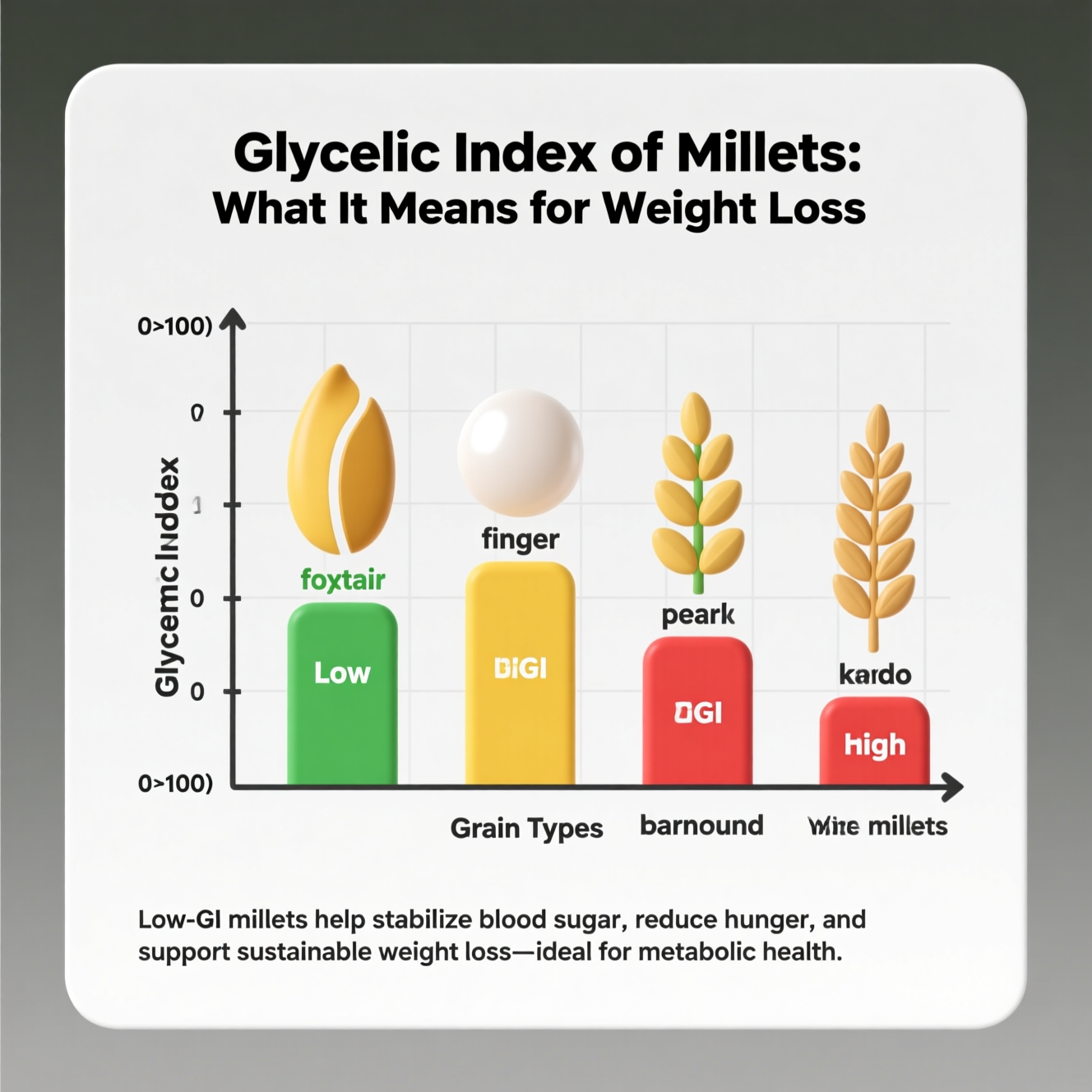
Millets generally fall into the low to moderate glycemic index category, depending on the type and how they are prepared. This means they tend to release energy more slowly than refined grains like white rice or processed wheat products.
However, not all millets behave exactly the same. Some varieties have a lower glycemic impact than others, and factors such as cooking method, portion size, and food combinations can influence their effect on blood sugar.
This variation is important because it allows you to choose millets that align with your specific goals, whether that is weight loss, blood sugar control, or overall health improvement.
How Glycemic Index Affects Weight Loss
The connection between glycemic index and weight loss lies in how your body responds to food. High GI foods cause rapid spikes in blood sugar, which trigger a strong insulin response. Insulin is a hormone that helps store excess glucose, often in the form of fat.
Frequent spikes in insulin can make it harder for the body to use stored fat as energy. This can slow down fat loss and increase the likelihood of weight gain over time.
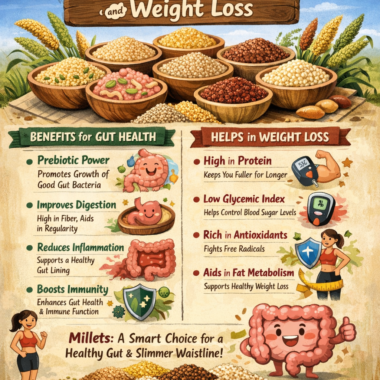
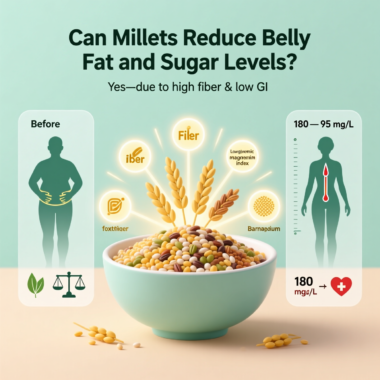
Low GI foods like millets help maintain steady blood sugar levels, reducing the need for large insulin responses. This creates a more favorable environment for fat burning and helps the body use energy more efficiently.
Satiety and Hunger Control
One of the biggest advantages of low GI foods is their ability to control hunger. Because they digest slowly, they keep you full for longer periods. This reduces the frequency of eating and makes it easier to maintain a calorie deficit.
Millets, with their combination of fiber and slow digestion, are particularly effective in this regard. They help prevent the sudden hunger that often follows high GI meals, making it easier to stick to a weight loss plan.
Over time, this improved satiety can lead to a natural reduction in calorie intake without the need for strict dieting.
Factors That Influence the Glycemic Impact of Millets
The glycemic index of millets is not fixed; it can change depending on how they are prepared and consumed. Cooking methods play a significant role. Overcooking can make millets softer and easier to digest, which may increase their glycemic impact.
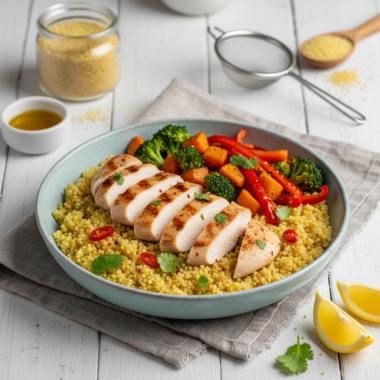
Food combinations also matter. Pairing millets with protein and fiber-rich vegetables can further slow down digestion and reduce the overall glycemic effect of the meal.
Portion size is another important factor. Even low GI foods can contribute to higher blood sugar levels if consumed in large amounts. Maintaining moderate portions ensures that the benefits of millets are preserved.
Using Millets Effectively for Weight Loss
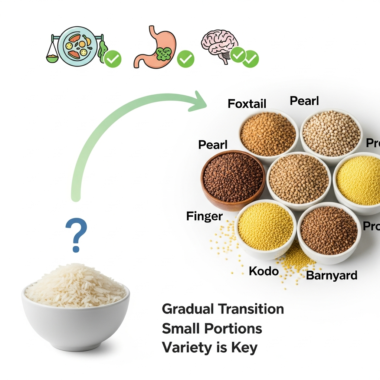
To get the most out of millets, they should replace high GI foods rather than being added on top of your existing diet. This substitution helps reduce overall glycemic load and supports better blood sugar control.
Balanced meals are essential. Combining millets with protein and vegetables creates a more complete and satisfying meal. This not only improves nutrition but also enhances the benefits of a low GI diet.
Consistency is key. Regularly choosing low GI foods like millets helps establish stable eating patterns, which are crucial for long-term weight loss.
Common Misconceptions About Millets and GI
One common misconception is that all millets are automatically low GI and can be eaten in unlimited quantities. While they are generally healthier than refined grains, portion control and preparation methods still matter.
Another misunderstanding is that low GI foods alone can guarantee weight loss. While they play an important role, overall diet quality, physical activity, and lifestyle habits also influence results.
Understanding these nuances helps you use millets more effectively rather than relying on them as a quick fix.
Conclusion
The glycemic index of millets is one of the key reasons they are beneficial for weight loss. Their ability to provide steady energy, control hunger, and reduce insulin spikes makes them a valuable addition to a balanced diet.
However, their effectiveness depends on how they are used. Proper preparation, balanced meals, and portion control are essential for maximizing their benefits. When combined with a consistent and healthy lifestyle, millets can support sustainable weight loss and improved metabolic health.