Introduction
Millets are valued for their rich nutritional profile, but what many people don’t realize is that improper storage can slowly reduce their quality and benefits. Even though millets are considered hardy grains, they contain natural oils and nutrients that can degrade over time if exposed to moisture, heat, or air. This can affect not only their taste and texture but also their nutritional value.
Storing millets the right way ensures that they remain fresh, safe to eat, and nutritionally effective for a longer period. Whether you use them occasionally or as a daily staple, understanding proper storage methods can make a significant difference in maintaining their quality.
Why Proper Storage Matters
Millets are whole grains, which means they retain their outer layers where most of the nutrients are concentrated. These layers also contain natural oils that can turn rancid if the grains are not stored correctly. Exposure to air and heat accelerates this process, leading to a loss of freshness and nutritional value.
Moisture is another critical factor. Even a small amount of moisture can lead to fungal growth or spoilage, making the millets unsafe for consumption. Proper storage protects against these issues and helps preserve the natural goodness of the grains.
Choosing the Right Storage Conditions
The environment in which you store millets plays a key role in maintaining their quality. A cool, dry place is ideal, as it slows down the breakdown of nutrients and prevents moisture buildup. Avoid storing millets near heat sources such as stoves or direct sunlight, as higher temperatures can reduce their shelf life.
Humidity should also be kept low. In areas with high humidity, extra care is needed to ensure that the grains remain dry. Proper ventilation and airtight storage can help manage this effectively.
Using Airtight Containers
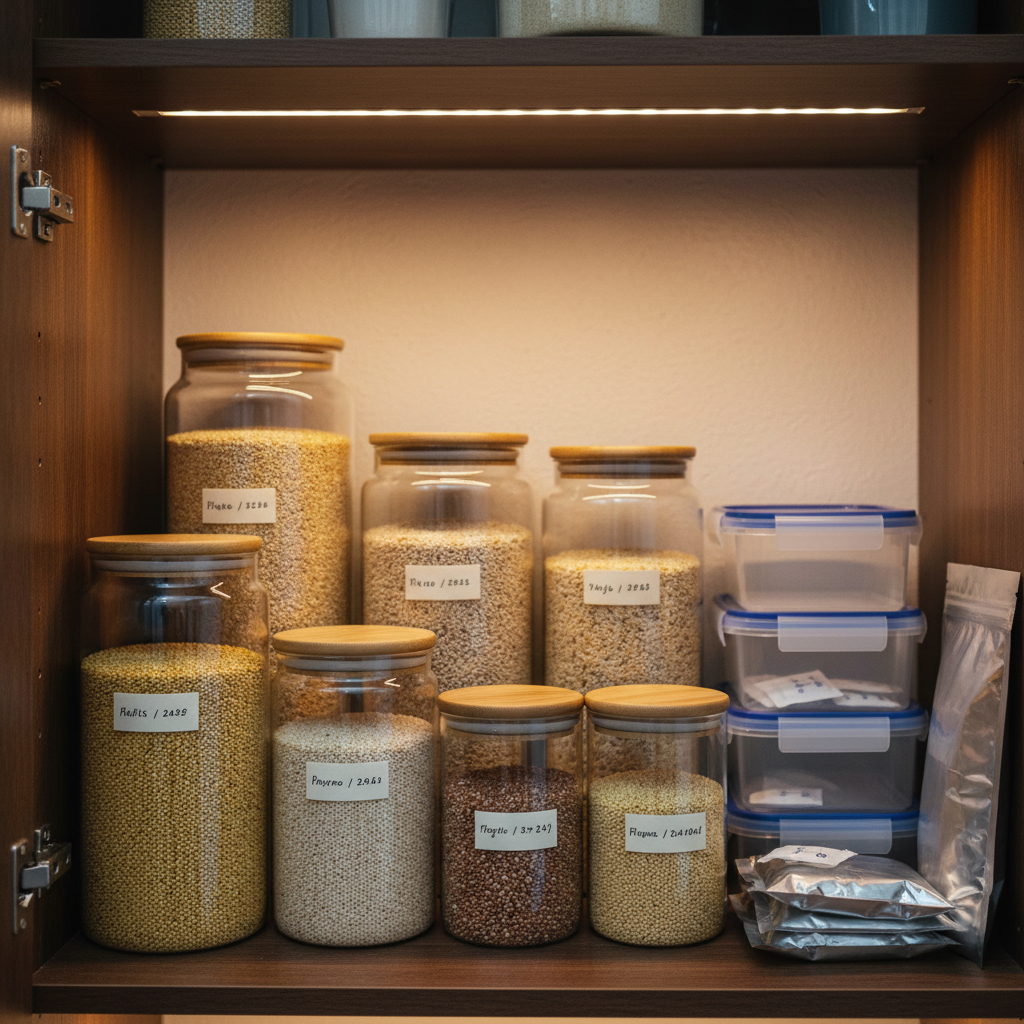
One of the simplest and most effective ways to store millets is by using airtight containers. These containers prevent exposure to air and moisture, both of which can degrade the quality of the grains over time.
Glass or food-grade containers are often preferred because they do not react with the grains and help maintain freshness. Keeping the container tightly sealed after each use ensures that the millets remain protected from environmental factors.
Cleaning and Preparing Before Storage
Before storing millets, it is important to ensure that they are clean and free from impurities. Any dust, small stones, or debris should be removed to maintain quality. Storing clean grains reduces the risk of contamination and helps preserve their nutritional value.
It is also important to ensure that the millets are completely dry before storage. Any residual moisture can lead to spoilage, so allowing them to air dry if needed is a good practice.
Storing for Short-Term vs Long-Term Use
For short-term storage, keeping millets in a pantry in airtight containers is usually sufficient. This works well if you plan to use them within a few weeks.
For longer storage periods, additional precautions may be needed. Keeping millets in cooler environments helps extend their shelf life and maintain their nutritional quality. Regularly checking stored grains for any signs of spoilage ensures that they remain safe to use.
Protecting Millets from Pests
Grains are naturally attractive to pests, and millets are no exception. Proper storage helps prevent infestations. Airtight containers act as a barrier, while keeping storage areas clean reduces the chances of pests being attracted.
Checking the grains occasionally can help identify any issues early. If any signs of infestation appear, it is best to discard the affected portion to prevent further spread.
Signs That Millets Have Gone Bad
Even with proper storage, it is important to recognize when millets are no longer suitable for consumption. Changes in smell, such as a rancid or unpleasant odor, can indicate that the natural oils have degraded. Discoloration or the presence of moisture can also be signs of spoilage.
Using fresh millets ensures that you receive their full nutritional benefits. Regularly rotating your stock and using older grains first helps maintain freshness.
Conclusion
Storing millets properly is a simple but essential step in preserving their nutritional value and ensuring they remain safe to eat. By keeping them in a cool, dry environment, using airtight containers, and protecting them from moisture and pests, you can maintain their quality for a longer time.
Small habits like checking for freshness and storing them correctly can make a significant difference. When millets are stored well, they retain their natural benefits and continue to support a healthy and balanced diet.