Introduction
Switching from rice to millets is one of the simplest ways to improve your diet, especially if your goal is weight loss, better digestion, or stable energy levels. However, many beginners make the mistake of changing too quickly and then experience side effects like bloating, heaviness, or discomfort. This often leads them to believe that millets are not suitable for them, when in reality the issue lies in how the transition is made.
Millets are very different from rice in terms of fiber content, digestion speed, and how they interact with your body. Rice is easy to digest and low in fiber, while millets are dense, slow-digesting, and rich in fiber. Because of this difference, your body needs time to adjust. A gradual and balanced approach is the key to making this switch smoothly and effectively.
Why Side Effects Happen When Switching to Millets
The most common reason for discomfort when switching to millets is a sudden increase in fiber intake. If your diet has been based mostly on refined grains like white rice, your digestive system may not be used to processing large amounts of fiber. When millets are introduced in large quantities all at once, it can lead to bloating, gas, or a feeling of heaviness.
Another factor is portion size. Many people assume that since millets are healthy, they can eat them in the same or even larger quantities than rice. However, millets are more filling and dense, so eating too much can overload the digestive system.
Preparation methods also play a role. Improperly cooked or poorly combined millet dishes can be harder to digest, especially for beginners. Understanding these factors helps you avoid the common pitfalls and ensures a smoother transition.
Start Slow and Let Your Body Adjust
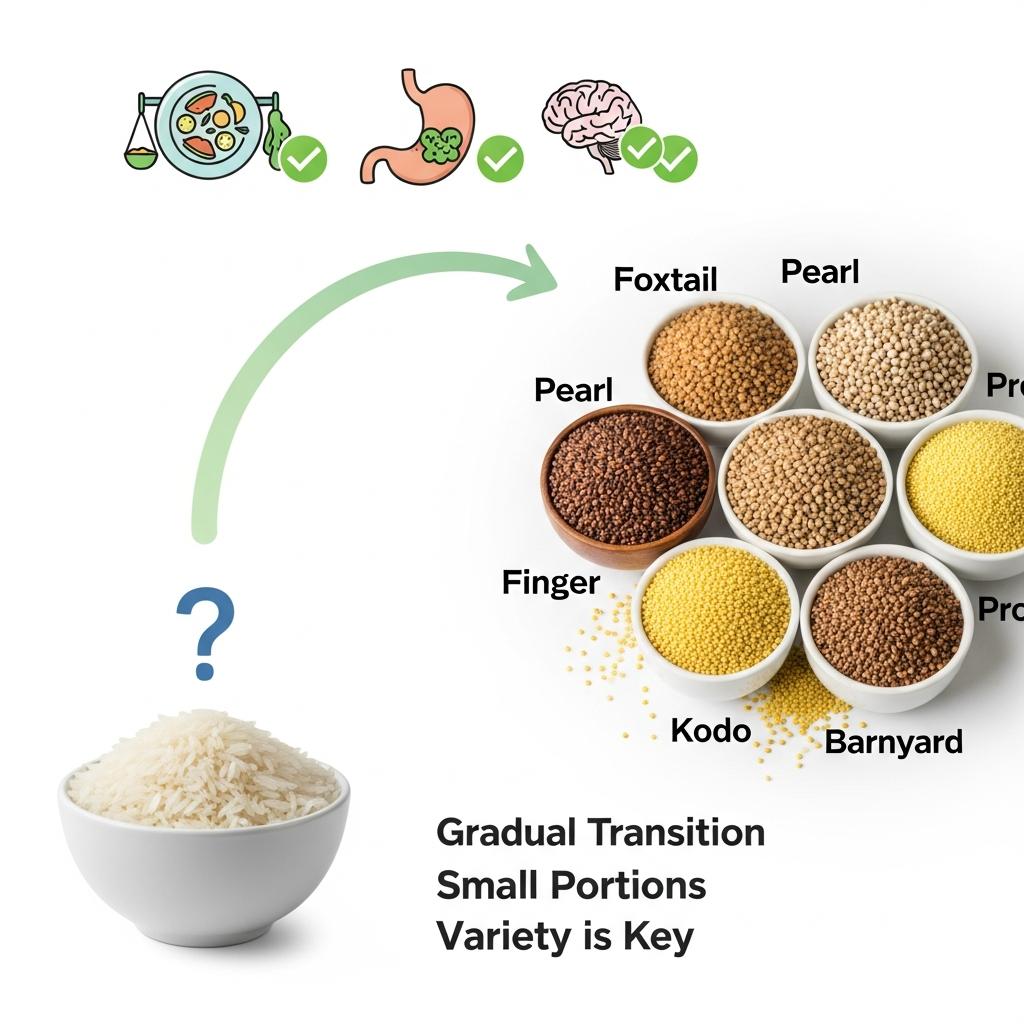
The most important step in switching to millets is to begin gradually. Instead of replacing all rice meals at once, start with just one meal a day. This gives your digestive system time to adapt to the increased fiber content.
For example, you can begin by replacing rice at lunch with a small portion of millets while keeping your other meals unchanged. After a few days or a week, as your body becomes more comfortable, you can start including millets in another meal. This step-by-step approach reduces the chances of digestive discomfort and makes the transition more sustainable.
Control Portion Sizes from the Beginning
Portion control is essential when introducing millets into your diet. Because they are more filling than rice, you do not need to eat the same quantity to feel satisfied. Starting with smaller portions helps your body adjust and prevents overeating.
As you become familiar with how millets affect your hunger and digestion, you can gradually adjust the portion size. Paying attention to how your body feels after meals can guide you in finding the right balance.
Choose the Right Millets for Beginners
Not all millets are equally easy to digest, especially for someone new to them. Some varieties are lighter and more suitable for beginners, while others may feel heavier initially. Starting with millets that are easier to cook and digest can make a significant difference in your experience.
Rotating different types of millets over time also helps prevent monotony and ensures a wider range of nutrients. This variety keeps your diet interesting and supports overall health.
Focus on Proper Preparation
How you prepare millets has a direct impact on how your body responds to them. Simple cooking methods such as soaking before cooking, using adequate water, and ensuring they are fully cooked can improve digestibility.
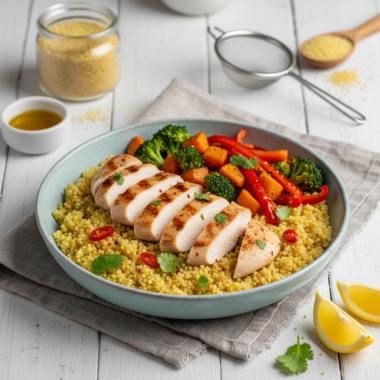
Combining millets with vegetables makes meals lighter and easier to digest, while adding protein helps balance the meal and improve satiety. Avoiding heavy, oily preparations in the beginning is especially important, as they can make the transition more difficult.
Stay Hydrated to Support Digestion
Increasing fiber intake without increasing water intake can lead to digestive discomfort. Water helps fiber move smoothly through the digestive system, reducing the chances of bloating or constipation.
Drinking enough water throughout the day supports the body’s natural processes and makes it easier to adapt to a millet-based diet. This simple step is often overlooked but plays a crucial role in preventing side effects.
Listen to Your Body and Adjust Accordingly
Every individual responds differently to dietary changes. Some people adapt quickly, while others may need more time. Paying attention to your body’s signals is essential during the transition.
If you experience discomfort, it may be helpful to reduce the quantity temporarily and increase it gradually. Making small adjustments based on your body’s response ensures a smoother and more comfortable experience.
Avoid Common Mistakes During the Transition
One of the biggest mistakes is trying to switch completely overnight. This sudden change often leads to discomfort and makes it harder to stick with the diet. Another common issue is ignoring the importance of balanced meals. Eating millets alone without protein or vegetables can reduce their effectiveness and lead to increased hunger.
Using excessive oil or preparing heavy dishes can also counteract the benefits of millets. Keeping meals simple and balanced helps maintain their positive impact.
Conclusion
Switching from rice to millets can bring significant health benefits, but the process needs to be handled carefully. A gradual transition, proper portion control, and balanced meals are the key factors that determine success. By allowing your body time to adjust and making mindful choices, you can avoid common side effects and enjoy the full benefits of a millet-based diet.
The goal is not to rush the process but to create a sustainable change that fits your lifestyle. With patience and consistency, the transition can become smooth, comfortable, and highly rewarding.