Introduction
Millets have quietly made a powerful comeback in modern nutrition, especially among people looking to lose weight without sacrificing essential nutrients. As more individuals move away from refined grains like white rice and wheat, millets are being rediscovered as wholesome, fiber-rich alternatives that support sustainable fat loss. However, not all millets are equal when it comes to carbohydrate content. Some varieties are significantly lower in carbs and glycemic impact, making them far more effective for weight loss.
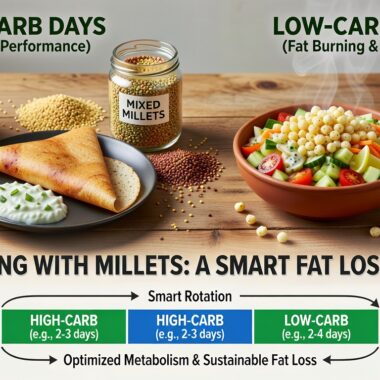
A low-carb approach works by stabilizing blood sugar levels, reducing insulin spikes, and encouraging the body to burn stored fat for energy. Certain millets naturally align with this approach due to their high fiber content, slow digestion rate, and nutrient density. Choosing the right type of millet can make a noticeable difference in how quickly and effectively you lose weight.
What Makes a Millet Ideal for Weight Loss?
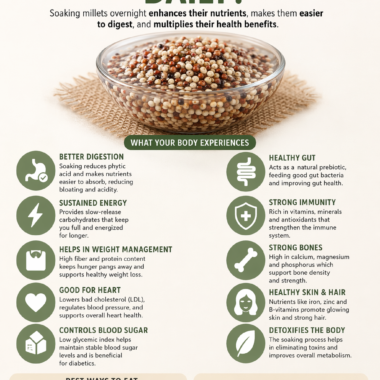
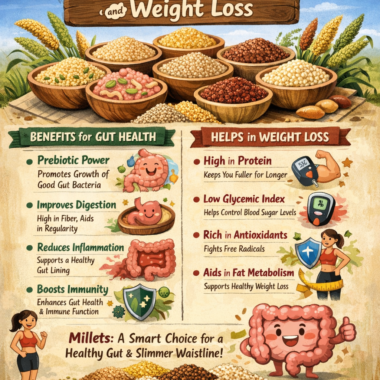
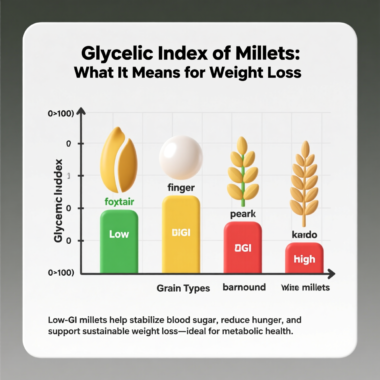
Millets become weight-loss-friendly primarily due to three factors: glycemic index, fiber content, and nutrient profile. The glycemic index (GI) determines how quickly a food raises blood sugar levels. Low-GI millets release glucose slowly, preventing sudden spikes and crashes that often lead to fat storage and cravings. Fiber plays an equally important role by increasing satiety, helping you feel full for longer periods and naturally reducing calorie intake. Additionally, millets are packed with essential nutrients like magnesium, iron, and antioxidants, which support metabolism and overall health during weight loss.
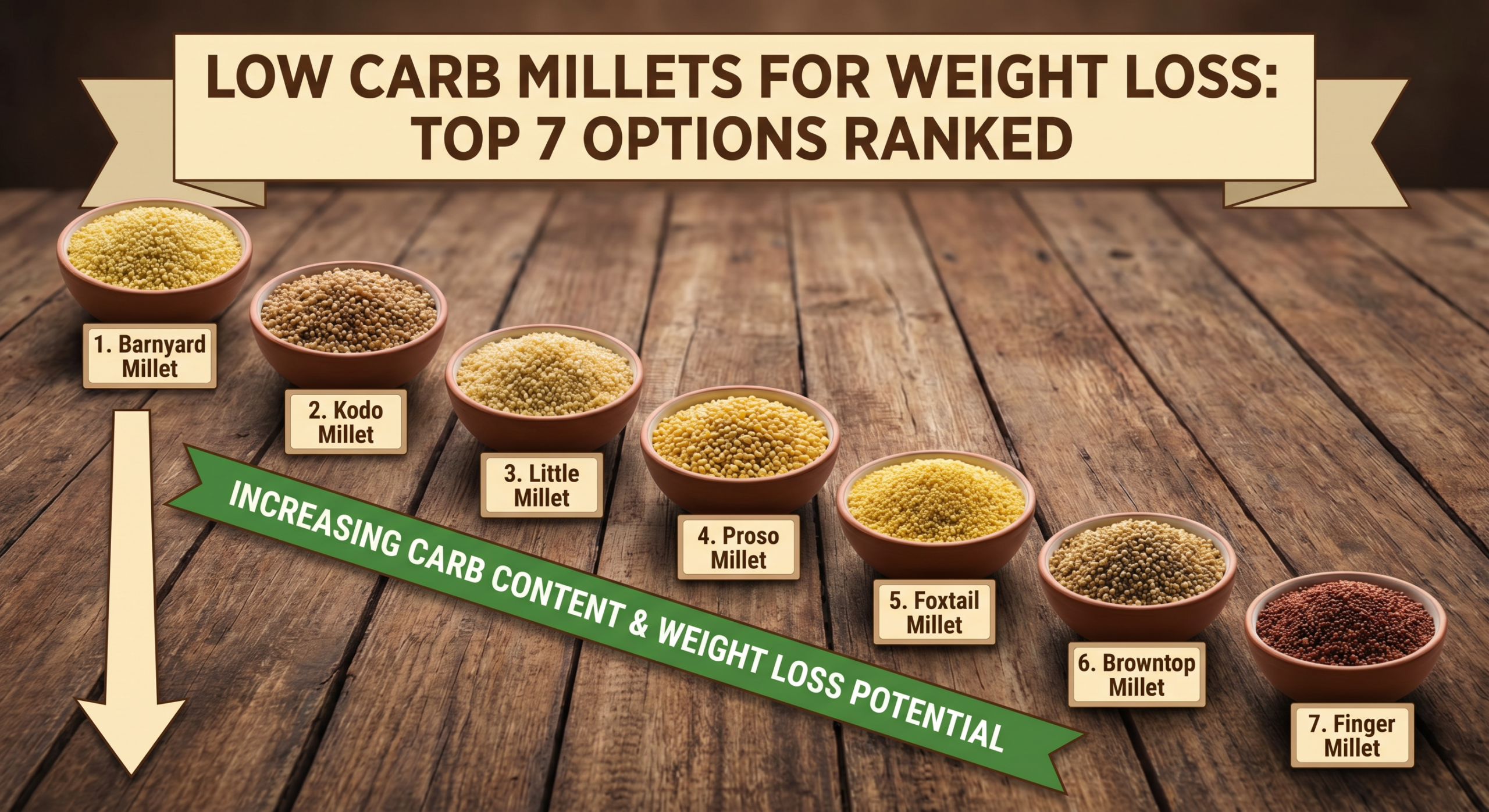
Top 7 Low Carb Millets for Weight Loss (Ranked)
Barnyard millet
stands out as the best overall choice for weight loss due to its exceptionally low carbohydrate content and very low glycemic index. It digests slowly, keeps hunger at bay, and helps maintain stable energy levels throughout the day. This makes it particularly effective for people trying to reduce belly fat and control cravings. Its light texture also makes it a versatile substitute for rice in everyday meals.
Foxtail millet
ranks second because of its ability to improve insulin sensitivity while still being relatively low in carbohydrates. It is especially beneficial for individuals dealing with stubborn fat or metabolic issues. Regular consumption can help regulate appetite and reduce unnecessary snacking, making it easier to maintain a calorie deficit.
Little millet
earns its place in the third position due to its high fiber content and digestive benefits. While slightly higher in carbs than barnyard millet, it compensates with its ability to improve gut health and prolong satiety. A healthy digestive system plays a crucial role in efficient weight management, making this millet a valuable addition to any fat-loss diet.
Kodo millet
is another excellent option, known for its detoxifying properties and rich antioxidant content. It supports the body in eliminating toxins that may slow down metabolism, thereby aiding gradual and consistent weight loss. Its slow digestion rate also helps prevent overeating.
Pearl millet
commonly known as bajra, is slightly higher in carbohydrates but remains highly effective for weight loss due to its ability to keep you full for extended periods. It is particularly beneficial in colder climates or seasons when the body requires more energy. Its nutrient density supports sustained energy levels without leading to excessive calorie intake.
Sorghum, or jowar, offers a balanced combination of carbohydrates and protein, making it a good choice for those who want to lose weight without feeling weak or fatigued. It helps control hunger and provides steady energy, which is essential for maintaining an active lifestyle during weight loss.
Finger millet, also known as ragi, ranks last among the top seven due to its relatively higher carbohydrate content. However, it remains valuable because of its exceptional satiety factor. It is rich in calcium and fiber, making it ideal for controlling portion sizes and preventing overeating. When consumed in moderation, it can still support weight loss effectively.
How to Use Millets for Maximum Weight Loss
Incorporating millets into your diet requires a thoughtful approach to maximize their benefits. Timing plays a key role; consuming millets during breakfast or lunch allows your body ample time to utilize the energy, reducing the chances of fat storage. Portion control is equally important because even healthy foods can contribute to weight gain if consumed in excess.
Pairing millets with protein-rich foods such as lentils, eggs, or paneer enhances satiety and helps preserve muscle mass during weight loss. Cooking methods also matter—steaming, boiling, or minimal oil preparation ensures that the calorie count remains in check. Avoid combining millets with refined carbohydrates or sugary foods, as this can negate their low-carb advantage.
Common Mistakes to Avoid
Many people assume that simply switching to millets guarantees weight loss, but this is not always the case. Overeating millets can lead to excess calorie consumption, slowing down progress. Another common mistake is ignoring protein intake, which is essential for maintaining muscle and boosting metabolism. Choosing the wrong type of millet without understanding its carb content can also hinder results. Additionally, using too much oil or preparing millet dishes in calorie-dense ways can offset their health benefits.
Millets vs Rice vs Wheat for Weight Loss
Compared to white rice and refined wheat products, millets offer a clear advantage due to their lower glycemic index and higher fiber content. Rice tends to digest quickly, causing rapid spikes in blood sugar and increased hunger shortly after meals. Wheat, especially in its refined form, can have similar effects. Millets, on the other hand, provide sustained energy, reduce cravings, and support better portion control, making them a superior choice for weight management.
Conclusion
Low-carb millets can be a powerful addition to any weight loss plan when chosen and used correctly. Barnyard millet, foxtail millet, and little millet stand out as the most effective options due to their low glycemic impact and high satiety levels. However, long-term success depends not just on the type of millet you choose, but also on how you incorporate it into a balanced and consistent diet. By combining the right millets with proper portion control, adequate protein intake, and healthy cooking methods, sustainable weight loss becomes much more achievable.