Introduction
Foxtail millet has emerged as one of the most effective traditional grains for modern weight loss diets. As more people shift away from refined carbohydrates like white rice and processed wheat, this ancient millet is gaining attention for its ability to support fat loss naturally while still providing sustained energy. What makes foxtail millet particularly valuable is its balance—it is not extremely low in carbohydrates, but its slow digestion and nutrient density make it function like a “smart carb” that works with your metabolism rather than against it.
Weight loss is not just about eating less; it is about choosing foods that help regulate hunger, stabilize blood sugar, and improve metabolic efficiency. Foxtail millet checks all these boxes, making it an excellent addition to a sustainable and healthy fat-loss plan.
What is Foxtail Millet and Why Is It Effective for Weight Loss?
Foxtail millet is a small, golden-colored grain that has been cultivated for thousands of years, especially in Asian countries. Unlike refined grains, it retains its bran layer, which is rich in fiber and essential nutrients. This whole-grain structure slows down digestion and ensures a gradual release of glucose into the bloodstream.
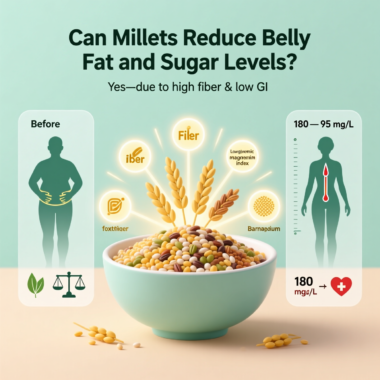
This slow release is crucial for weight loss because it prevents sudden spikes in insulin, a hormone that plays a major role in fat storage. When insulin levels remain stable, the body is more likely to burn stored fat for energy rather than storing additional fat. This makes foxtail millet particularly useful for individuals trying to lose belly fat or manage conditions like insulin resistance.
How Foxtail Millet Supports Weight Loss
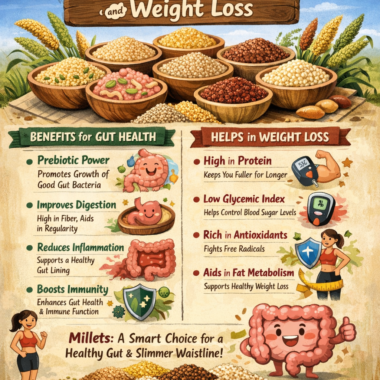
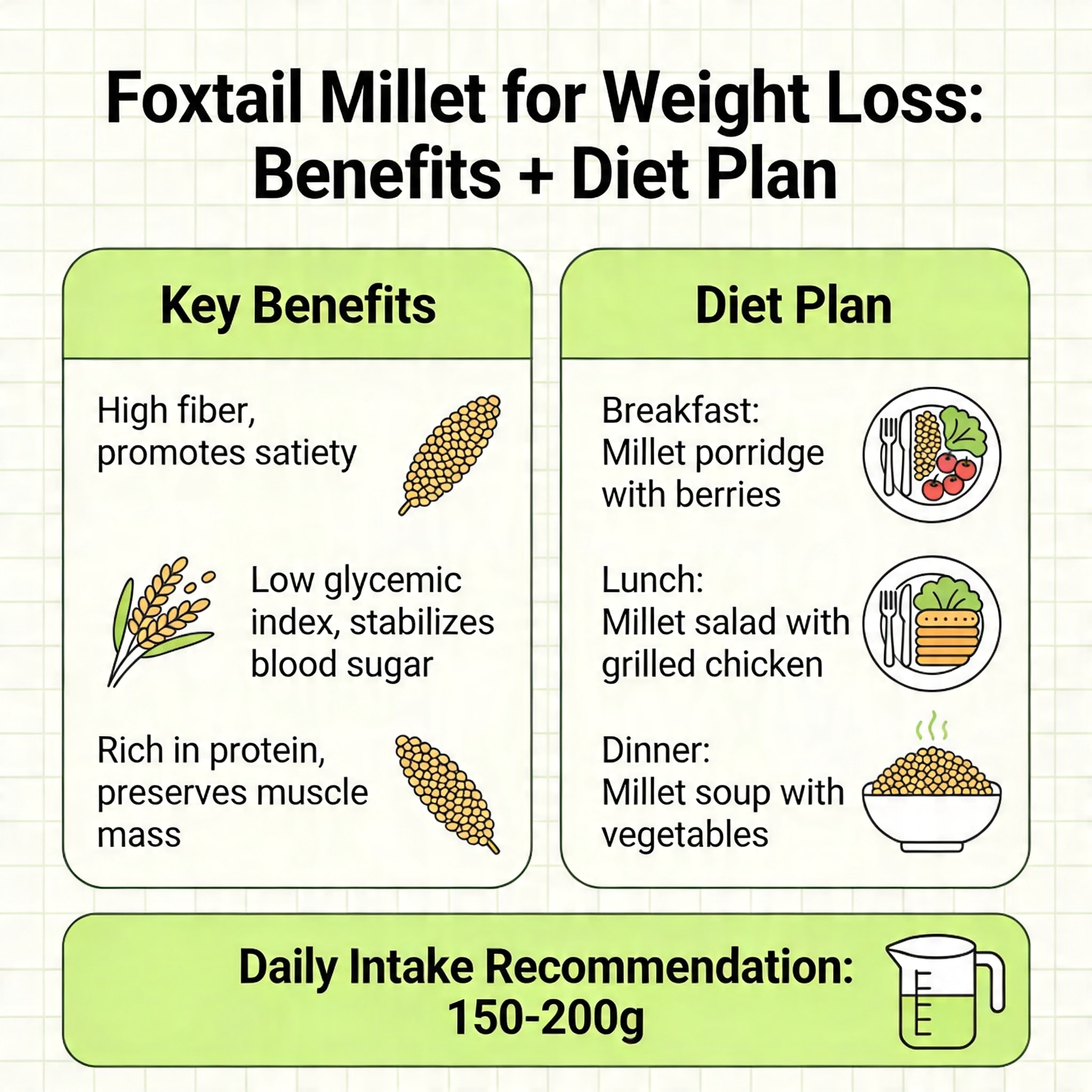
One of the most important ways foxtail millet aids weight loss is through its high fiber content. Fiber increases satiety, meaning you feel full for longer periods after eating. This naturally reduces the tendency to snack frequently or overeat during meals. Over time, this reduced calorie intake contributes significantly to weight loss without requiring extreme dieting.
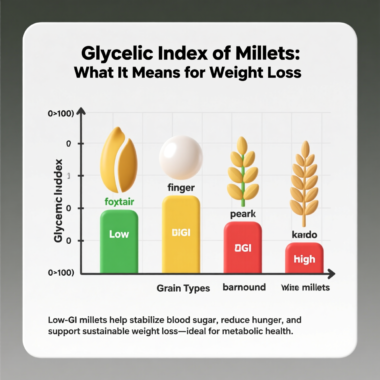
Another important factor is its moderate glycemic index. Foods with a lower glycemic index release energy slowly, which helps maintain consistent energy levels throughout the day. This not only prevents fatigue but also reduces cravings for sugary or high-calorie foods. Stable energy levels make it easier to stay active, which further supports fat loss.
Foxtail millet also contributes to improved digestion. A healthy digestive system is often overlooked in weight loss, but it plays a vital role in nutrient absorption and metabolism. When your gut functions efficiently, your body can utilize nutrients better and eliminate waste more effectively, both of which are essential for maintaining a healthy weight.
Nutritional Strength of Foxtail Millet
Foxtail millet is nutritionally dense, providing a combination of carbohydrates, protein, and essential minerals. It contains a good amount of plant-based protein, which is important for preserving muscle mass during weight loss. Maintaining muscle is key because muscle tissue burns more calories than fat, even at rest.
In addition to protein, foxtail millet is rich in minerals such as magnesium and iron. Magnesium supports metabolic processes and helps regulate blood sugar levels, while iron plays a role in energy production. These nutrients ensure that even while you are reducing calorie intake, your body continues to function optimally.
Foxtail Millet Diet Plan for Weight Loss
Incorporating foxtail millet into your daily diet does not require drastic changes, but it does require consistency and balance. A typical day can begin with a light yet filling breakfast such as foxtail millet porridge or upma. This provides a steady source of energy and keeps hunger under control until lunchtime.
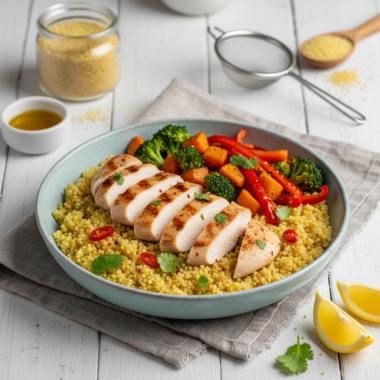
For lunch, foxtail millet can be used as a substitute for rice. Pairing it with vegetables and a source of protein like lentils, paneer, or eggs creates a balanced meal that supports both satiety and muscle maintenance. This combination ensures that your body receives all the essential nutrients without excess calories.
In the evening, a small portion of millet-based snacks or a salad incorporating cooked foxtail millet can help prevent unhealthy snacking. Dinner should ideally be lighter, such as a simple foxtail millet khichdi with vegetables. Eating a lighter dinner allows the body to digest food efficiently before sleep, which supports better metabolism.
Hydration and portion control remain essential throughout the diet. Even though foxtail millet is healthy, consuming it in excessive quantities can slow down weight loss due to increased calorie intake. Moderation ensures that you get the benefits without overloading your system.
Best Practices for Using Foxtail Millet in Weight Loss
To maximize the benefits of foxtail millet, it is important to prepare it in a healthy way. Cooking methods such as steaming, boiling, or minimal oil sautéing help keep the calorie content low. Combining foxtail millet with high-protein foods enhances its weight-loss effectiveness by improving satiety and supporting muscle health.
Timing also plays a role. Consuming millet-based meals earlier in the day allows your body to use the energy more efficiently. While it can be eaten at dinner, portions should be smaller to avoid excess calorie storage.
Common Mistakes to Avoid
One of the most common mistakes people make is assuming that switching to millet alone will lead to weight loss. Without proper portion control, even healthy foods can contribute to weight gain. Another mistake is pairing millet with calorie-dense ingredients such as excessive oil, ghee, or fried accompaniments, which can negate its benefits.
Ignoring protein intake is another issue. Foxtail millet should be part of a balanced meal, not the only component. Including adequate protein ensures that weight loss comes from fat rather than muscle.
Foxtail Millet vs Rice for Weight Loss
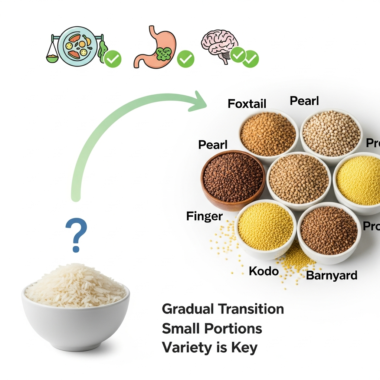
When compared to white rice, foxtail millet offers a significant advantage. Rice is quickly digested and can lead to rapid spikes in blood sugar, often followed by hunger and cravings. Foxtail millet, on the other hand, provides a slower and more sustained release of energy, helping you stay full for longer.
This difference in digestion and satiety makes foxtail millet a better choice for those aiming to reduce calorie intake and manage weight effectively. Over time, replacing rice with foxtail millet can contribute to improved metabolic health and gradual fat loss.
Conclusion
Foxtail millet is a powerful yet simple addition to a weight loss diet. Its ability to stabilize blood sugar, improve satiety, and support digestion makes it an ideal grain for sustainable fat loss. Unlike restrictive diets, incorporating foxtail millet allows you to enjoy satisfying meals while still working toward your weight goals.
The key to success lies in consistency, balanced nutrition, and mindful eating. When combined with proper portion control and a healthy lifestyle, foxtail millet can play a significant role in achieving long-term weight loss and overall well-being.