Introduction
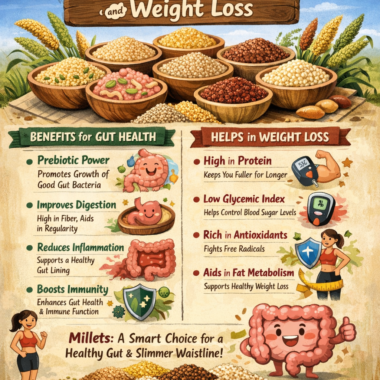
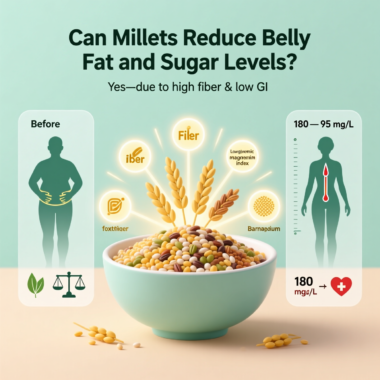
Millets are often promoted as a superfood for weight loss, diabetes control, and overall health. Their high fiber content, low glycemic impact, and rich nutrient profile make them a powerful alternative to refined grains. However, despite all these benefits, many beginners do not see the results they expect. In some cases, they even experience weight gain, digestive discomfort, or fatigue.
The problem is not with millets themselves but with how they are used. Like any healthy food, millets must be consumed at the right time, in the right quantity, and in the right combinations. Without this understanding, it is easy to make mistakes that reduce their effectiveness or even create negative effects. Knowing when to avoid millets—and when to adjust how you eat them—can make a significant difference in your results.
Eating Millets at the Wrong Time of Day
One of the most common mistakes beginners make is eating heavy millet meals late at night. While millets are healthy, they are still a source of carbohydrates. During the evening, the body’s metabolism slows down, and its ability to process carbohydrates efficiently decreases. This means that consuming large portions of millets at night can lead to excess calorie storage instead of fat burning.
This does not mean millets should never be eaten at dinner, but they should be consumed in smaller portions and prepared in a lighter form. Heavy, oil-rich millet dishes at night can slow digestion and interfere with weight loss. For better results, millets are more effective when eaten earlier in the day, when the body can use the energy efficiently.
Overeating Millets Because They Are “Healthy”
Another common mistake is assuming that millets can be eaten in unlimited quantities simply because they are nutritious. This misconception often leads to overeating, which can slow down or completely stall weight loss progress.
Millets still contain calories, and consuming them in large amounts can create a calorie surplus. Even though they are healthier than refined grains, the basic principle of weight loss remains the same: calorie balance matters. Eating moderate portions is essential to ensure that millets contribute to a calorie deficit rather than excess intake.
Ignoring Protein and Eating Millets Alone
Many beginners rely heavily on millets while neglecting other important nutrients, especially protein. A meal that consists only of millets may not provide enough satiety or nutritional balance. This can lead to increased hunger later in the day, resulting in overeating or unhealthy snacking.
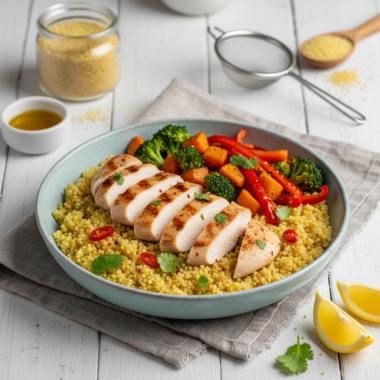
Protein plays a crucial role in weight loss by preserving muscle mass and increasing satiety. Without it, the body may lose muscle along with fat, which can slow down metabolism. Combining millets with protein-rich foods such as lentils, dairy, or eggs creates a more balanced meal that supports effective weight loss.
Choosing the Wrong Type of Millet
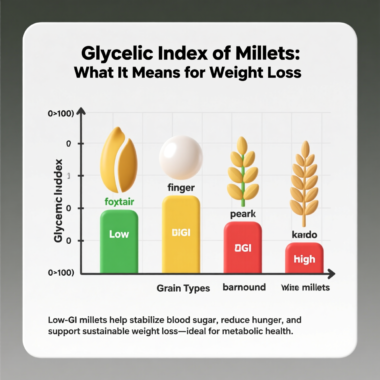
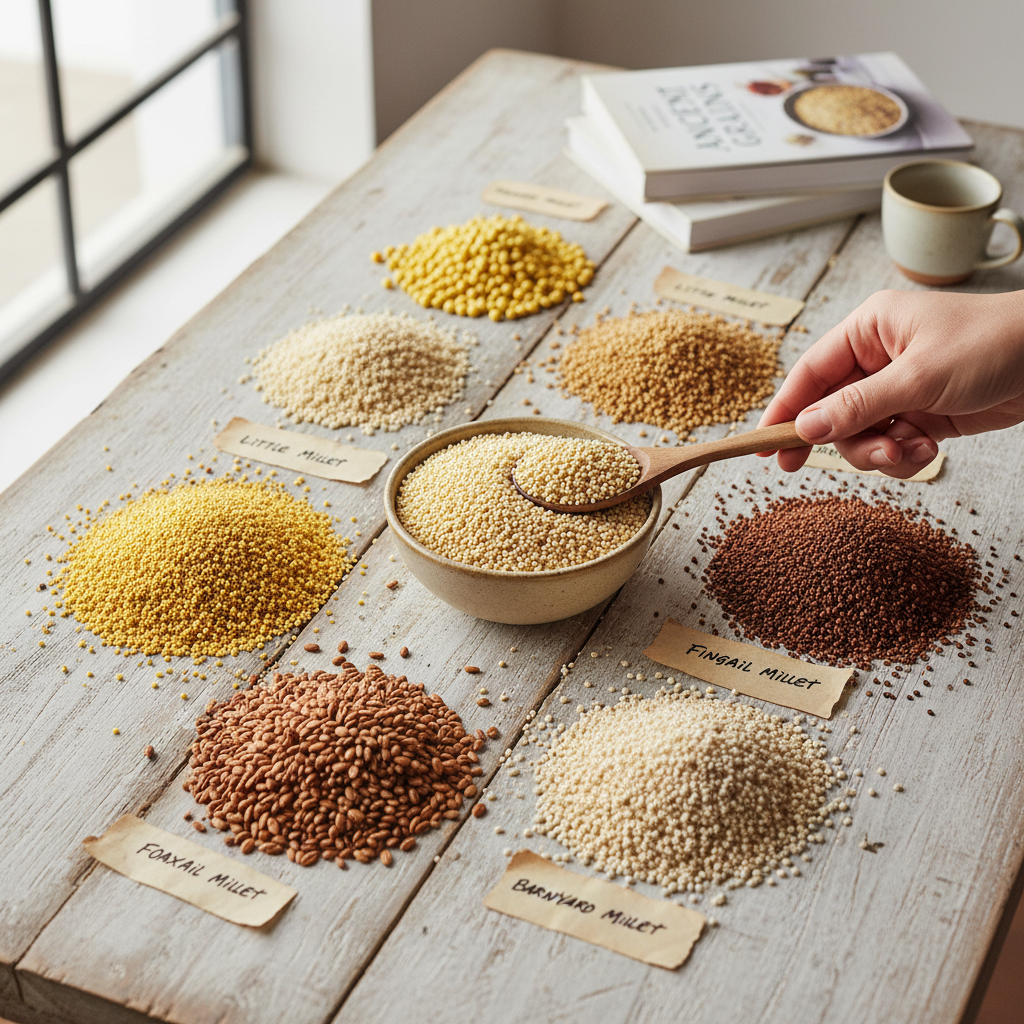
Not all millets are equally suitable for weight loss. Some varieties have higher carbohydrate content or a higher glycemic index, which may not be ideal for certain goals. Beginners often choose millets without understanding these differences, which can affect their results.
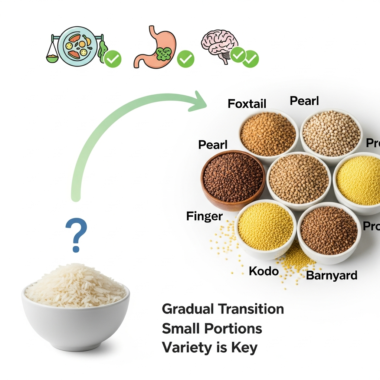
For example, millets like barnyard and foxtail are generally better for weight loss due to their lower glycemic impact, while others may require stricter portion control. Selecting the right type based on your goals and body needs is an important step in avoiding common pitfalls.
Cooking Millets in High-Calorie Ways
The way millets are prepared can significantly influence their impact on weight loss. Cooking them with excessive oil, ghee, or fried ingredients can increase the calorie content of the meal, reducing their effectiveness.
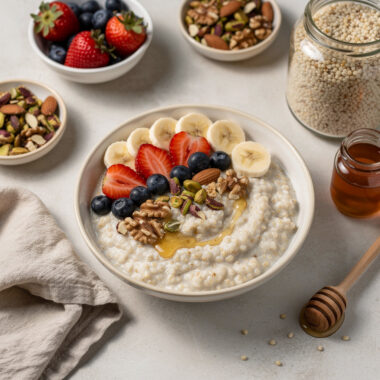
Many traditional recipes are rich and flavorful but may not be suitable for a weight loss diet if prepared without modification. Simple cooking methods such as boiling, steaming, or light sautéing help retain the nutritional benefits of millets while keeping calorie intake under control.
Sudden Increase in Millet Intake
Switching to millets abruptly and consuming them in large quantities can lead to digestive discomfort, especially for those who are not used to high-fiber diets. Symptoms such as bloating, gas, or heaviness are common when fiber intake increases too quickly.
Gradually introducing millets into your diet allows your digestive system to adjust. Starting with smaller portions and increasing them over time helps prevent discomfort and ensures better long-term adherence.
Relying Only on Millets for Weight Loss
Another hidden mistake is treating millets as a standalone solution for weight loss. While they are highly beneficial, they are only one part of a larger lifestyle approach. Without proper portion control, physical activity, and overall dietary balance, relying solely on millets may not produce the desired results.
Weight loss requires a combination of factors, including consistent eating habits, adequate hydration, and regular movement. Millets can support this process, but they cannot replace the need for a holistic approach.
Conclusion
Millets can be an incredibly effective tool for weight loss and overall health, but only when used correctly. Avoiding common mistakes such as overeating, consuming them at the wrong time, ignoring protein, or using high-calorie cooking methods can significantly improve your results.
Understanding when to limit or adjust millet consumption is just as important as knowing their benefits. By approaching millets with balance, moderation, and awareness, you can fully utilize their potential without falling into common beginner traps. Over time, these mindful habits lead to more sustainable and effective weight loss.