Introduction
Millets have become a cornerstone of modern weight loss diets, especially as more people move away from refined grains like white rice and processed wheat. These ancient grains are not only nutrient-dense but also naturally suited for fat loss due to their fiber content, slow digestion, and ability to stabilize blood sugar levels. However, one common question continues to come up: which millet is actually the best for weight loss?
The answer is not as simple as choosing a single grain. Different millets vary in their carbohydrate content, glycemic index, fiber levels, and overall impact on metabolism. While all millets are healthier than refined grains, some are far more effective for fat loss than others. Understanding these differences can help you make smarter dietary choices and accelerate your results without resorting to extreme dieting.
Why Millets Are Effective for Weight Loss
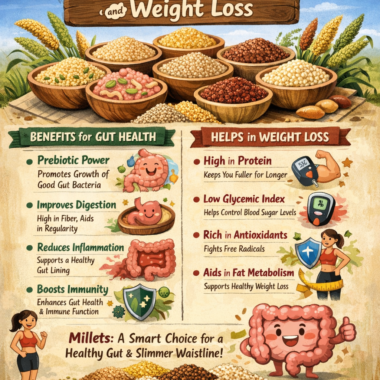
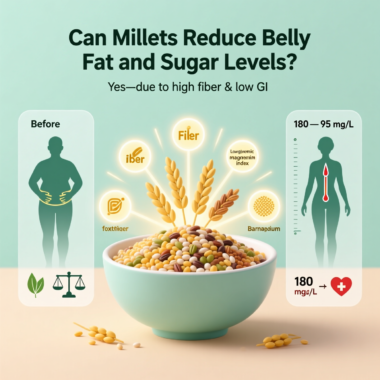
Weight loss depends largely on maintaining a calorie deficit while keeping hunger under control and metabolism functioning efficiently. Millets support this process in several ways. Their high fiber content slows digestion, which helps you feel full for longer periods and reduces the urge to snack between meals. This natural appetite control makes it easier to consume fewer calories without feeling deprived.
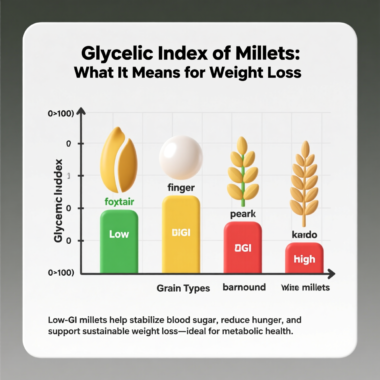
Another key advantage of millets is their relatively low glycemic index compared to refined grains. Foods with a low glycemic index release glucose slowly into the bloodstream, preventing sudden spikes in blood sugar and insulin. Stable insulin levels are crucial for fat loss because frequent spikes can lead to increased fat storage, especially around the abdominal area.
Millets are also rich in essential nutrients such as magnesium, iron, and antioxidants. These nutrients support metabolic processes, improve energy levels, and help the body function optimally during weight loss. Unlike restrictive diets that often lead to nutrient deficiencies, including millets in your meals ensures that your body remains well-nourished.
Comparing the Best Millets for Weight Loss
Among the many types of millets available
a few stand out as particularly effective for weight loss due to their low glycemic impact and high satiety levels. Barnyard millet is often considered the best option because it is extremely low in carbohydrates and has one of the lowest glycemic indexes among all millets. It digests slowly, keeps you full for extended periods, and supports rapid fat loss when used as a replacement for rice.
Foxtail millet
is another strong contender. It has a moderate carbohydrate content but a low glycemic index, which helps regulate blood sugar and reduce fat storage. It is especially useful for individuals dealing with insulin resistance or stubborn belly fat. Its ability to provide steady energy also makes it easier to stay active throughout the day.
Little millet
offers a slightly different advantage. While it may not be the lowest in carbs, it is very high in fiber and supports digestive health. A healthy digestive system is essential for efficient weight loss, as it improves nutrient absorption and reduces bloating. Little millet is particularly beneficial for those who struggle with irregular digestion.
Kodo millet
is known for its detoxifying properties and antioxidant content. It supports gradual weight loss by improving metabolism and reducing inflammation. Its slow digestion helps control hunger and prevents overeating, making it a reliable option for long-term fat loss.
Pearl millet
or bajra, is slightly higher in carbohydrates but still useful for weight loss due to its high satiety factor. It keeps you full for longer durations and provides sustained energy, which can be helpful during colder months or for individuals with higher activity levels. Sorghum, or jowar, offers a balanced combination of carbohydrates and protein, helping maintain energy while controlling hunger.
Finger millet
commonly known as ragi, is often debated in weight loss discussions. Although it contains more carbohydrates than some other millets, it is extremely filling due to its fiber and calcium content. When consumed in controlled portions, it can help prevent overeating and support weight management.
Which Millet is Truly the Best?
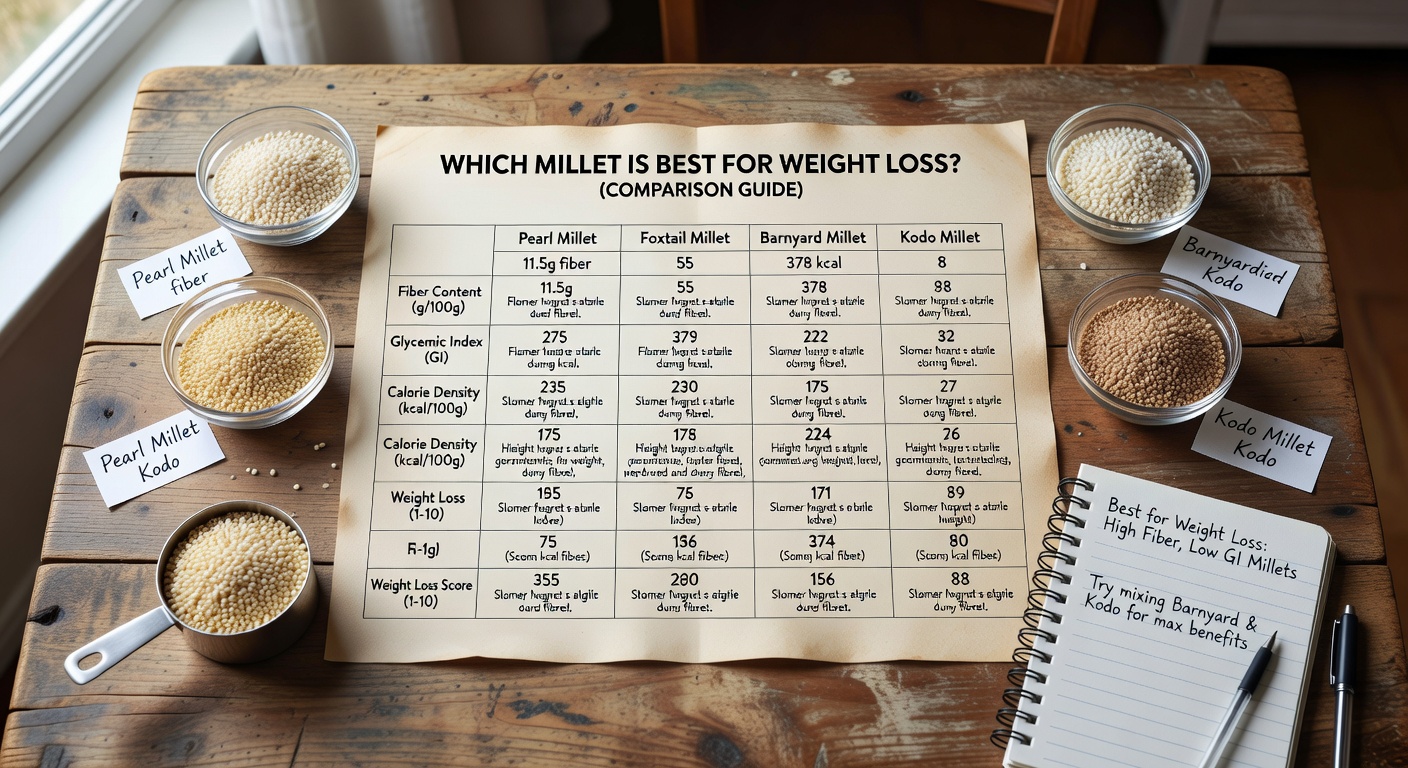
If the goal is rapid fat loss with strict carbohydrate control, barnyard millet stands out as the most effective option. Its low glycemic index and minimal carb content make it ideal for reducing body fat quickly. However, weight loss is not just about speed; sustainability is equally important.
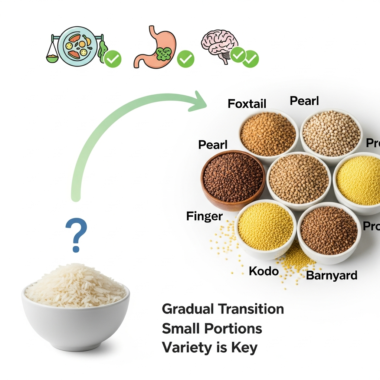
For a more balanced and sustainable approach, combining different millets may yield better results. Foxtail millet can be used for regular meals due to its metabolic benefits, while little millet and kodo millet can support digestion and overall health. Including a variety of millets not only prevents dietary monotony but also ensures a broader intake of nutrients.
Ultimately, the best millet for weight loss is the one that fits consistently into your lifestyle and dietary habits. Even the healthiest grain will not produce results if it is consumed in excessive quantities or prepared in unhealthy ways.
How to Use Millets Effectively for Weight Loss
Incorporating millets into your diet requires more than simply replacing rice or wheat. Portion control is essential, as overeating even healthy foods can slow down progress. Pairing millets with protein-rich foods such as lentils, eggs, or dairy products enhances satiety and helps preserve muscle mass during weight loss.
Cooking methods also play a significant role. Preparing millets with minimal oil and avoiding calorie-dense ingredients ensures that their natural benefits are not overshadowed by excess calories. Timing can further enhance results, as consuming millets earlier in the day allows the body to utilize the energy more efficiently.
Consistency is the most important factor. Weight loss is a gradual process, and regularly including millets as part of a balanced diet can lead to steady and sustainable results over time.
Conclusion
Millets offer a powerful, natural way to support weight loss without compromising on nutrition. While barnyard millet may be the best choice for those seeking rapid fat loss, other millets like foxtail, little, and kodo millet provide unique benefits that contribute to long-term success. Instead of focusing on a single “perfect” option, a balanced approach that includes a variety of millets can deliver the best results.
By combining the right choices with proper portion control, healthy cooking methods, and a consistent routine, millets can become a valuable part of a successful weight loss journey.