Introduction
In the search for effective and sustainable weight loss, the choice of staple foods plays a crucial role. Among the many healthy options available today, kodo millet and oats have emerged as two of the most popular choices for people aiming to reduce body fat while maintaining good nutrition. Both are considered healthier alternatives to refined grains, yet they differ significantly in how they affect digestion, metabolism, and fat loss. Understanding these differences is essential if you want to choose the option that aligns best with your weight loss goals.
Fat loss is not simply about reducing calories; it involves stabilizing blood sugar, managing hunger, and supporting metabolic health. Foods that digest slowly, keep you full longer, and prevent cravings tend to be more effective in promoting long-term weight loss. This is where both kodo millet and oats stand out, although each offers unique advantages.
What is Kodo Millet and Why Is It Used for Weight Loss?
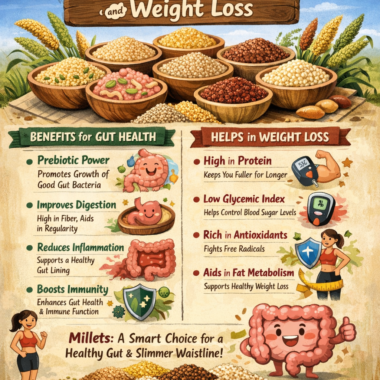
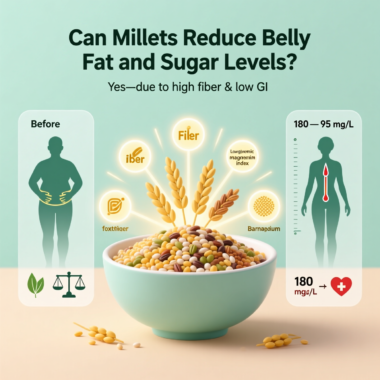
Kodo millet is a traditional grain widely consumed in parts of India and Asia. It is known for its high fiber content, low glycemic index, and rich antioxidant profile. Unlike refined grains, kodo millet retains its natural structure, which slows down digestion and allows for a gradual release of glucose into the bloodstream.
This slow digestion process plays a critical role in fat loss. When blood sugar levels remain stable, the body is less likely to store excess fat. Instead, it can access stored fat as a source of energy. Additionally, the high fiber content of kodo millet promotes satiety, reducing the likelihood of overeating or frequent snacking. These properties make it particularly beneficial for individuals aiming to lose weight naturally without extreme dietary restrictions.
What Makes Oats a Popular Choice for Fat Loss?
Oats have gained global recognition as a weight-loss-friendly food, especially in breakfast diets. They are rich in soluble fiber, particularly beta-glucan, which forms a gel-like substance in the digestive system. This slows down digestion and helps maintain a feeling of fullness for extended periods.
The ability of oats to reduce hunger makes them an effective tool for calorie control. In addition, oats support heart health and help regulate cholesterol levels, making them a well-rounded dietary choice. However, the type of oats consumed plays an important role. Whole oats or steel-cut oats are more beneficial than instant varieties, which can be more processed and may lead to quicker blood sugar spikes.
Comparing Kodo Millet and Oats for Fat Loss
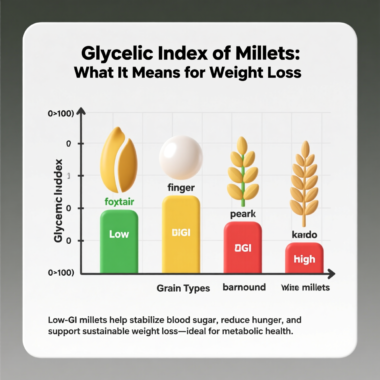
When comparing kodo millet and oats, one of the most important factors is how they affect blood sugar levels. Kodo millet generally has a lower glycemic index compared to many forms of oats, especially instant oats. This means it causes a slower rise in blood sugar, which is advantageous for fat loss and appetite control. Stable blood sugar levels reduce insulin spikes, allowing the body to burn fat more efficiently.
Fiber content is another key factor. While both foods are high in fiber, the type of fiber differs. Oats are particularly rich in soluble fiber, which is excellent for reducing cholesterol and controlling hunger. Kodo millet, on the other hand, contains a mix of soluble and insoluble fiber, which supports digestion and gut health more broadly. A healthy gut plays a significant role in weight management, as it influences how efficiently the body processes nutrients.
Satiety is where both foods perform well, but in slightly different ways. Oats create a feeling of fullness due to their gel-forming fiber, making them ideal for breakfast. Kodo millet provides a more sustained fullness, which can help reduce overall daily calorie intake when used in main meals like lunch or dinner.
Another important difference lies in nutritional diversity. Kodo millet contains a wide range of antioxidants and micronutrients that support metabolism and detoxification. Oats, while nutritious, are often consumed in limited forms and may not provide the same level of dietary diversity unless combined with other foods.
Which is Better for Fat Loss?
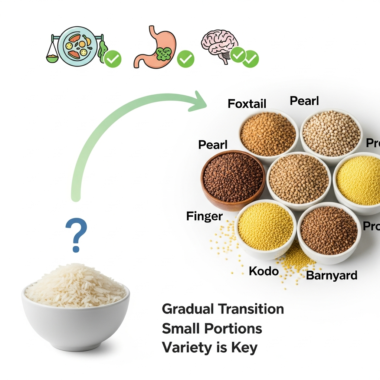
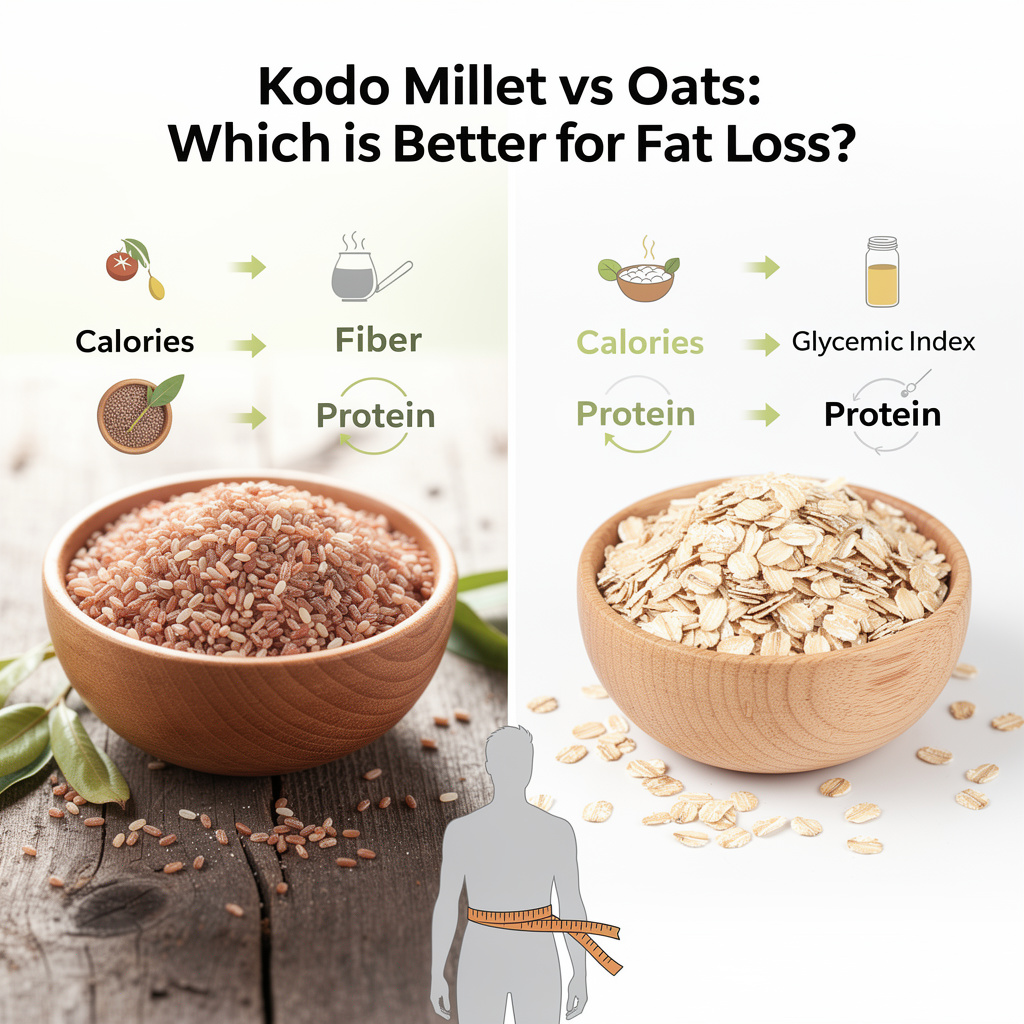
The answer depends on how and when each food is used in your diet. Kodo millet tends to have a slight advantage for fat loss due to its lower glycemic impact and broader nutritional profile. It is particularly effective when used as a replacement for high-carb staples like white rice, helping to reduce overall calorie intake and improve metabolic balance.
Oats, however, remain an excellent option, especially for breakfast. Their ability to control hunger early in the day can prevent overeating later. For individuals who prefer simple and quick meals, oats can be an easy and effective choice.
In many cases, the best approach is not to choose one over the other but to use both strategically. Including oats in the morning and kodo millet in main meals can provide the benefits of both foods while maintaining variety in the diet. This balanced approach can enhance adherence to a weight loss plan, which is often the most important factor for long-term success.
How to Use Kodo Millet and Oats for Maximum Fat Loss
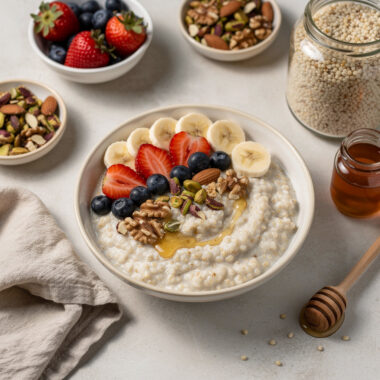
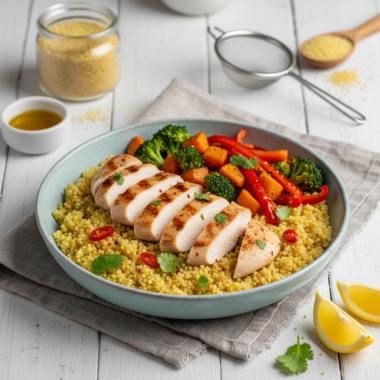
To get the best results, it is important to focus on preparation methods and portion control. Cooking kodo millet with minimal oil and pairing it with vegetables and protein sources can create a balanced meal that supports fat loss. Similarly, preparing oats without added sugar and combining them with nuts, seeds, or protein-rich foods can enhance their effectiveness.
Avoiding highly processed versions of both foods is essential. Instant oats with added flavors and sugars can reduce the benefits of oats, while overly refined millet products may lose some of their nutritional value. Choosing whole, minimally processed forms ensures that you receive the maximum benefits for weight loss.
Conclusion
Both kodo millet and oats are excellent choices for fat loss, each offering unique advantages that can support a healthy and sustainable weight loss journey. Kodo millet stands out for its lower glycemic index, higher antioxidant content, and ability to provide long-lasting satiety, making it particularly effective for main meals. Oats, on the other hand, are convenient, rich in soluble fiber, and highly effective in controlling hunger, especially when consumed at the start of the day.
Ultimately, the most effective strategy is to incorporate both foods into a balanced diet, using each where it performs best. Consistency, mindful eating, and proper portion control will always matter more than choosing a single “perfect” food. When used correctly, both kodo millet and oats can become powerful tools in achieving long-term fat loss and overall health.