Introduction
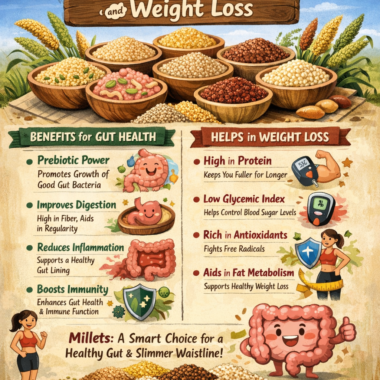
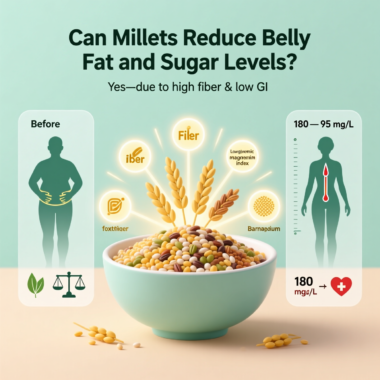
Millets are often praised as a superfood for weight loss—and rightly so. They are rich in fiber, low in glycemic index, and packed with essential nutrients that support fat loss and overall health.
However, many people make a crucial mistake: they assume that simply adding millets to their diet will automatically lead to weight loss.
The truth is, how you eat millets matters just as much as eating them.
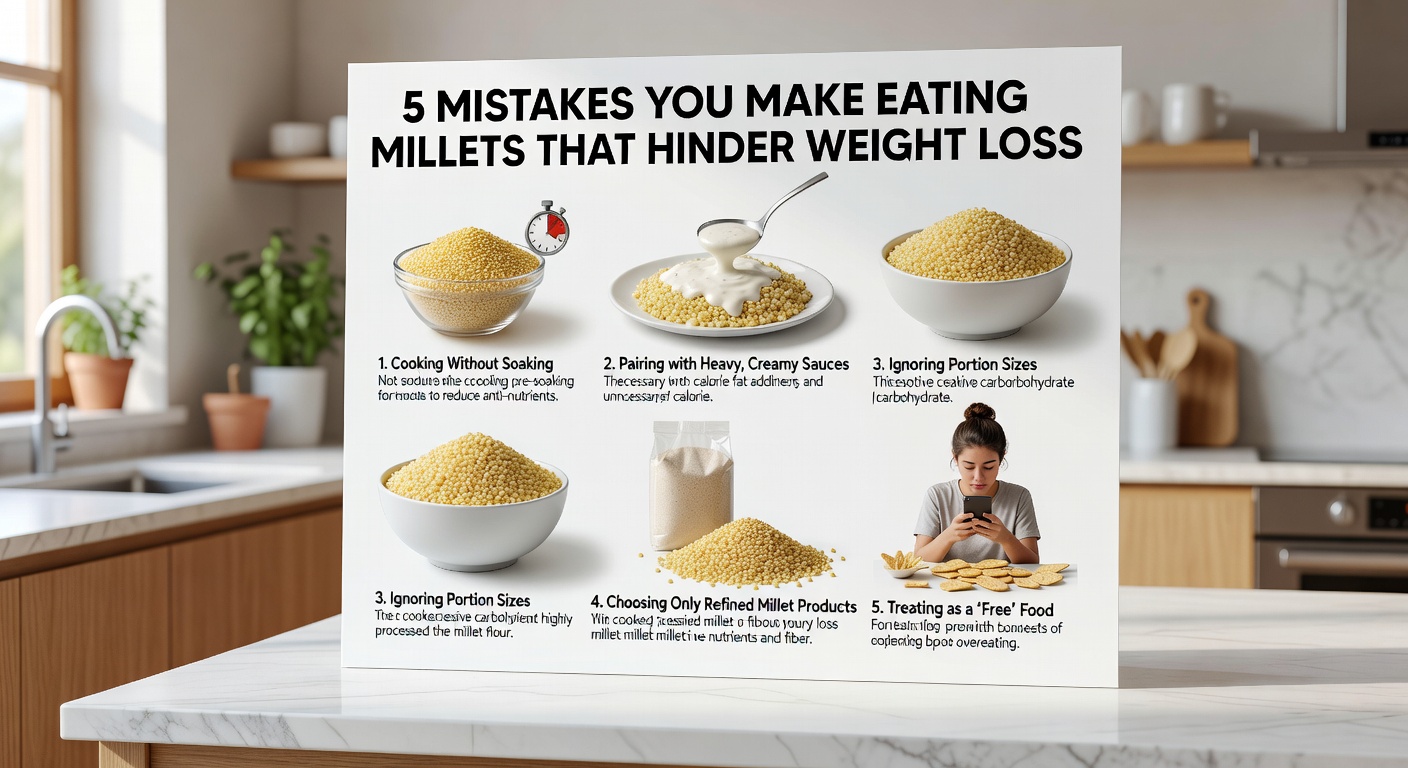
If you’re not seeing results despite including millets in your meals, you might be making some common mistakes that are slowing down your progress. In this guide, we’ll uncover the top 5 mistakes and how to fix them for better results.
1: Overeating Millets
What Happens:
Millets are healthy, but they are not calorie-free. Eating large portions can lead to excess calorie intake, which prevents weight loss.
Why It’s a Problem:
Even healthy foods can cause weight gain when consumed in excess.
How to Fix It:
- Stick to ½–1 cup cooked millet per meal
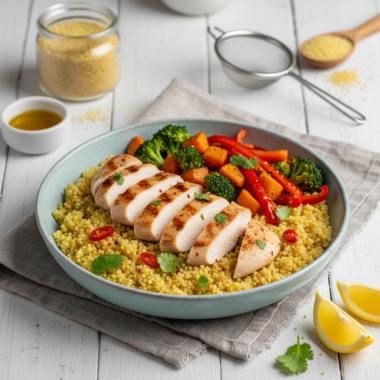
- Balance your plate with vegetables and protein
- Avoid second servings unless necessary
2: Not Balancing with Protein
What Happens:
Many people eat millets alone without adding protein-rich foods.
Why It’s a Problem:
A lack of protein can lead to increased hunger and muscle loss.
How to Fix It:
- Add dal, paneer, eggs, or legumes
- Combine millets with protein in every meal
- Ensure balanced nutrition
3: Using Too Much Oil
What Happens:
Millet dishes often include excess oil during cooking.
Why It’s a Problem:
Extra oil increases calorie intake significantly, slowing fat loss.
How to Fix It:
- Use minimal oil (1–2 teaspoons per meal)
- Prefer steaming, boiling, or light sautéing
- Avoid deep-fried millet recipes
4: Choosing the Wrong Millets
What Happens:
Not all millets are low-carb or ideal for weight loss.
Why It’s a Problem:
Some millets have higher carbohydrate content, which may not suit low-carb diets.
How to Fix It:
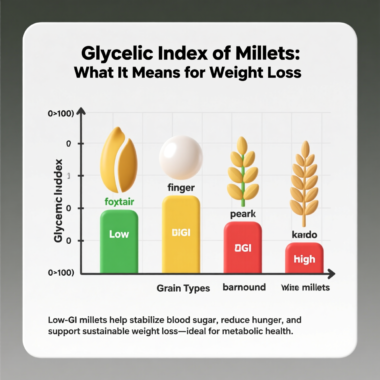
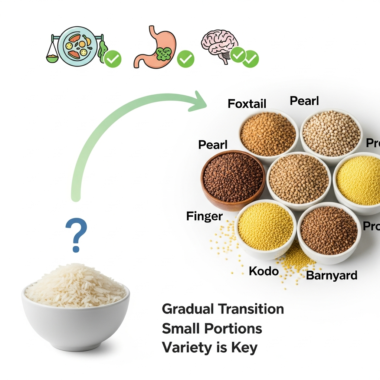
- Choose barnyard, foxtail, and little millet
- Use ragi and other higher-carb millets in moderation
- Rotate millets for balanced nutrition
5: Expecting Instant Results
What Happens:
People expect quick weight loss within a few days.
Why It’s a Problem:
Weight loss is a gradual process, and unrealistic expectations lead to frustration.
How to Fix It:
- Focus on consistency
- Combine diet with exercise
- Track progress over weeks, not days
Bonus Tip: Ignoring Overall Diet
Even if you eat millets, consuming junk food, sugary drinks, or processed snacks can cancel out the benefits.
Solution:
- Maintain a clean, balanced diet
- Reduce sugar and processed foods
- Stay active
Conclusion
Millets can be incredibly effective for weight loss—but only when used correctly. Avoiding these common mistakes can help you maximize their benefits and achieve better results.
Remember, weight loss is not about a single food—it’s about overall habits, balance, and consistency.
By making small adjustments to how you eat millets, you can transform your diet and move closer to your fitness goals.