Introduction
When it comes to weight loss, choosing the right grains can make a significant difference. Two popular options—kodo millet and oats—are often recommended for healthy eating. Both are known for their nutritional value, but which one truly supports weight loss more effectively?
If you’re confused about whether to include oats or kodo millet in your diet, this detailed comparison will help you make the right choice based on nutrition, digestion, satiety, and fat loss benefits.
What Is Kodo Millet?
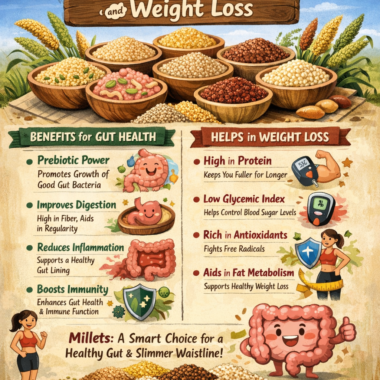
Kodo millet is a traditional whole grain known for its high fiber content and digestive benefits. It is naturally gluten-free and widely used in healthy diets.
Key Features:
- Rich in fiber
- Low fat content
- Good for gut health
- Helps detoxify the body
What Are Oats?
Oats are a widely consumed grain, especially popular as a breakfast food. They are rich in soluble fiber and provide steady energy.
Key Features:
- High in beta-glucan fiber
- Supports heart health
- Easy to prepare
- Keeps you full
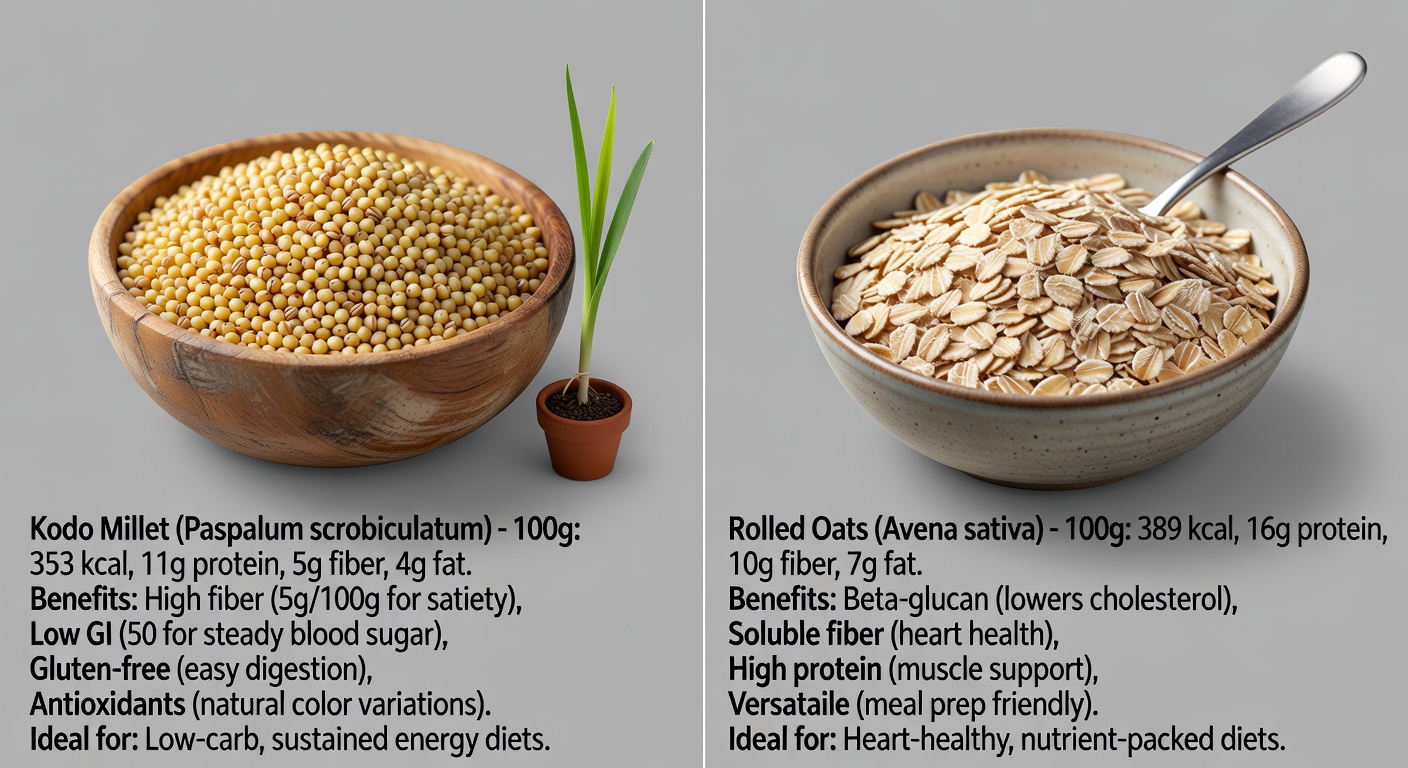
Nutritional Comparison: Kodo Millet vs Oats
1. Carbohydrates
- Oats: Moderate carbs with slow digestion
- Kodo Millet: Slightly lower net carbs and higher fiber
Winner: Kodo millet for low-carb diets
2. Fiber Content
- Oats: Rich in soluble fiber
- Kodo Millet: High in overall dietary fiber
Winner: Tie (both support satiety)
3. Glycemic Index
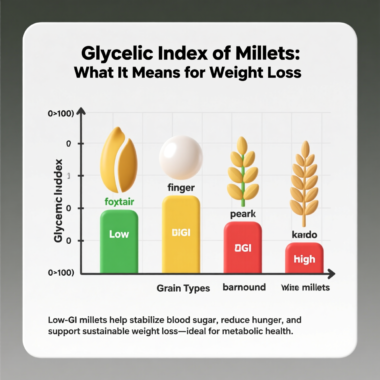
- Oats: Moderate GI
- Kodo Millet: Lower GI
Winner: Kodo millet for blood sugar control
4. Calories
- Both are relatively similar, but portion size matters
Winner: Depends on serving size
Which Is Better for Weight Loss?
Why Choose Kodo Millet
- Better for low-carb diets
- Helps detoxify the body
- Supports gut health and digestion
Why Choose Oats
- Easy and convenient
- Great for breakfast
- Provides steady energy
Final Verdict
If your goal is faster fat loss and better blood sugar control, kodo millet may be the better choice due to its lower glycemic index and higher fiber content.
However, oats remain a healthy option, especially for those looking for convenience and balanced nutrition.
Best Approach:
Combine both in your diet for variety and balanced nutrition.
How to Include Them in Your Diet
- Use kodo millet as a rice substitute
- Eat oats for breakfast
- Maintain portion control
- Combine with protein and healthy fats
Common Mistakes to Avoid
- Overeating either grain
- Adding too much sugar to oats
- Ignoring portion sizes
- Not balancing meals
Conclusion
Both kodo millet and oats are excellent choices for weight loss, but kodo millet has a slight edge due to its lower glycemic index and higher fiber content. The key to success lies in balance, moderation, and consistency.
By choosing the right grains and maintaining a healthy lifestyle, you can achieve sustainable weight loss without sacrificing nutrition.