Introduction
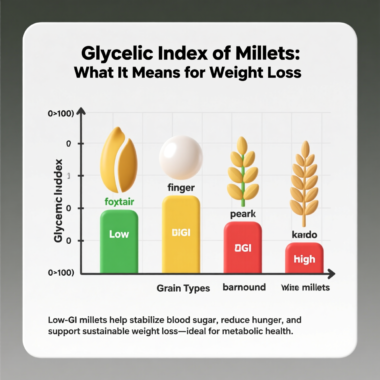
When it comes to managing weight and controlling blood sugar, the type of carbohydrates you eat matters just as much as the quantity. This is where the concept of the glycemic index becomes important. Foods with a low glycemic index release glucose slowly into the bloodstream, helping maintain stable energy levels and preventing sudden spikes in blood sugar. Millets, as a group of whole grains, are often praised for their low glycemic impact, but not all millets are the same.
Understanding which millets truly fall into the low GI category can help you make better dietary choices. Whether your goal is fat loss, diabetes management, or simply improving overall health, choosing the right millets can make a noticeable difference over time.
What Low GI Means and Why It Matters
The glycemic index measures how quickly a food raises blood sugar levels after consumption. High GI foods digest rapidly, causing sharp spikes followed by quick drops in blood sugar. This cycle can lead to increased hunger, cravings, and fat storage.
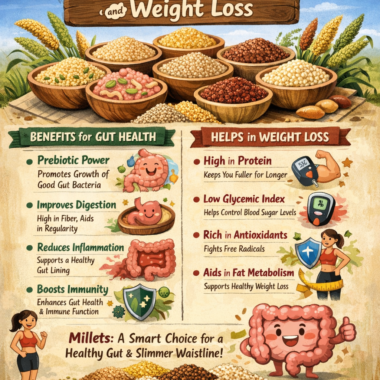
Low GI foods, on the other hand, digest slowly and release glucose gradually. This helps maintain stable blood sugar levels, reduces insulin spikes, and supports better appetite control. For weight loss, this stability is essential because it makes it easier to maintain a calorie deficit without constant hunger.
For individuals managing blood sugar levels, low GI foods are particularly important. They help reduce fluctuations in glucose levels, making it easier to maintain balance throughout the day.
Barnyard Millet: One of the Lowest GI Options
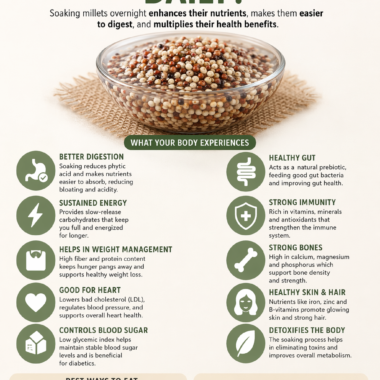
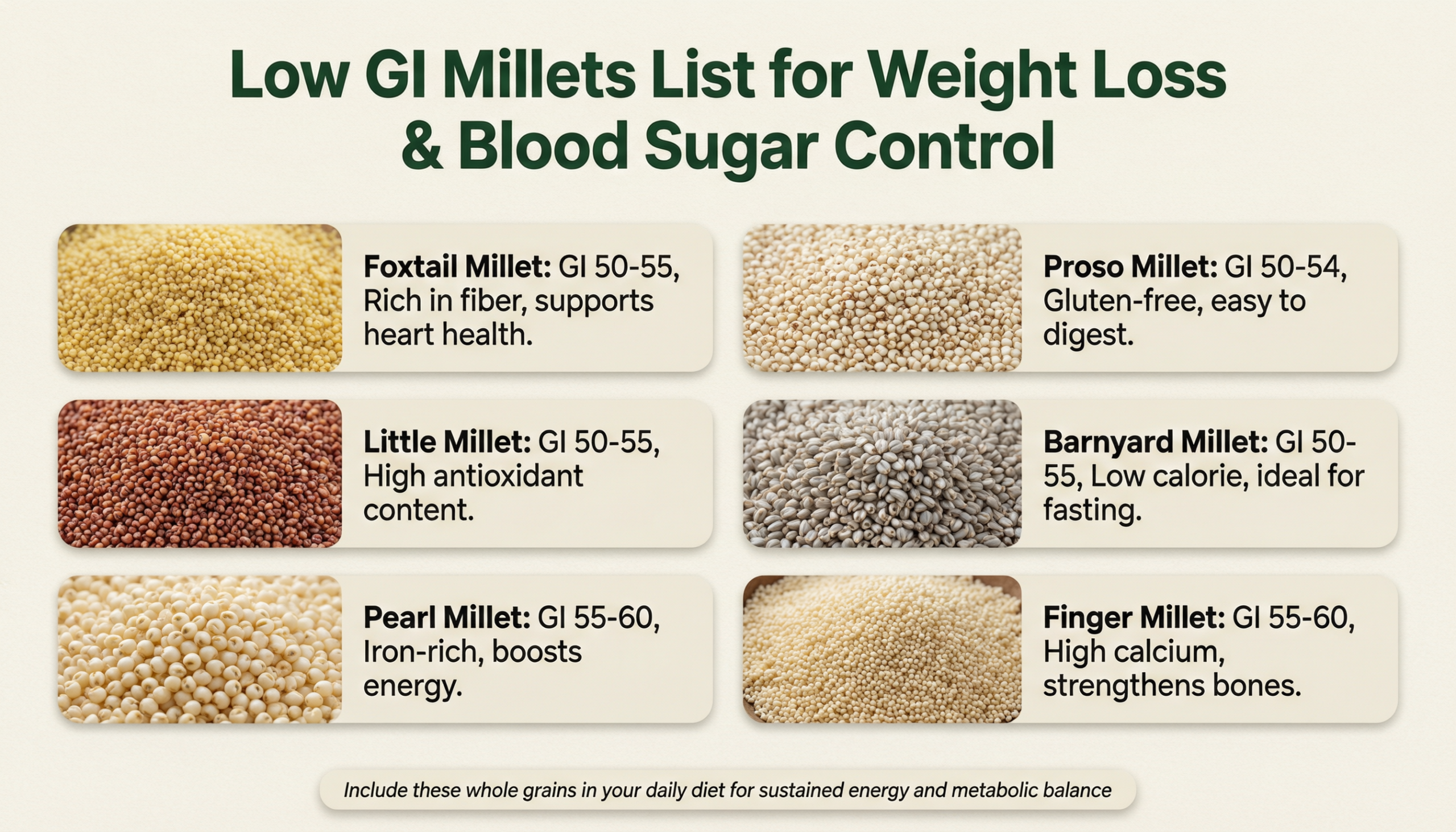
Barnyard millet is often considered one of the best choices for both weight loss and blood sugar control. Its very low glycemic index means it releases energy slowly, preventing sudden spikes in blood sugar. This makes it especially useful for individuals with diabetes or those trying to reduce insulin resistance.
In addition to its low GI, barnyard millet is rich in fiber, which further enhances its ability to control appetite. This combination of low glycemic impact and high satiety makes it a powerful option for maintaining steady energy levels and reducing overall calorie intake.
Foxtail Millet: Balanced and Blood Sugar Friendly
Foxtail millet is another excellent low GI option that offers a balance between nutrition and energy. It digests slowly and helps regulate blood sugar levels, making it suitable for both weight loss and metabolic health.
Its ability to provide sustained energy makes it a good choice for people who want to stay active without experiencing energy crashes. By reducing fluctuations in blood sugar, foxtail millet also helps control cravings, which is an important factor in managing both weight and diabetes.
Kodo Millet: Supporting Metabolism and Stability
Kodo millet has a moderate to low glycemic index and is known for its slow digestion. This helps maintain steady blood sugar levels and supports long-lasting satiety. It is also rich in antioxidants, which contribute to overall metabolic health.
For individuals focusing on gradual and sustainable weight loss, kodo millet offers a balanced approach. It may not be the lowest in glycemic index, but its overall nutritional profile makes it a valuable addition to a healthy diet.
Little Millet: High Fiber with Controlled Impact
Little millet provides a good balance of carbohydrates and fiber, resulting in a controlled glycemic response. Its high fiber content slows down digestion, helping prevent rapid increases in blood sugar levels.
This millet is particularly useful for improving digestion and maintaining satiety. By keeping you full for longer periods, it reduces the likelihood of overeating, which supports weight loss over time.
Finger Millet (Ragi): Moderate GI with Nutritional Benefits
Finger millet, also known as ragi, has a slightly higher glycemic index compared to some other millets, but it still offers benefits due to its fiber and nutrient content. When consumed in controlled portions and combined with protein and vegetables, it can fit into a balanced diet.
Ragi is especially rich in calcium and other minerals, making it beneficial for overall health. While it may not be the top choice for strict low GI diets, it can still be included occasionally with proper portion control.
How to Use Low GI Millets Effectively
Choosing low GI millets is only one part of the equation. How you prepare and combine them also affects their impact on blood sugar and weight. Pairing millets with protein and vegetables helps slow down digestion even further, enhancing their benefits.
Cooking methods should be simple and avoid excessive oil or heavy ingredients. Portion control is equally important, as even low GI foods can contribute to excess calorie intake if eaten in large amounts.
Timing can also play a role. Consuming millets earlier in the day allows the body to use the energy more efficiently, while lighter meals in the evening support better digestion and metabolic balance.
Conclusion
Low GI millets offer a natural and effective way to support weight loss and maintain stable blood sugar levels. Barnyard and foxtail millet stand out as some of the best options, while others like kodo and little millet provide additional benefits that support overall health.
The key is not just selecting the right millet but using it as part of a balanced and consistent diet. By combining low GI choices with proper portion control and healthy habits, you can create a sustainable approach to managing both weight and blood sugar.