Introduction
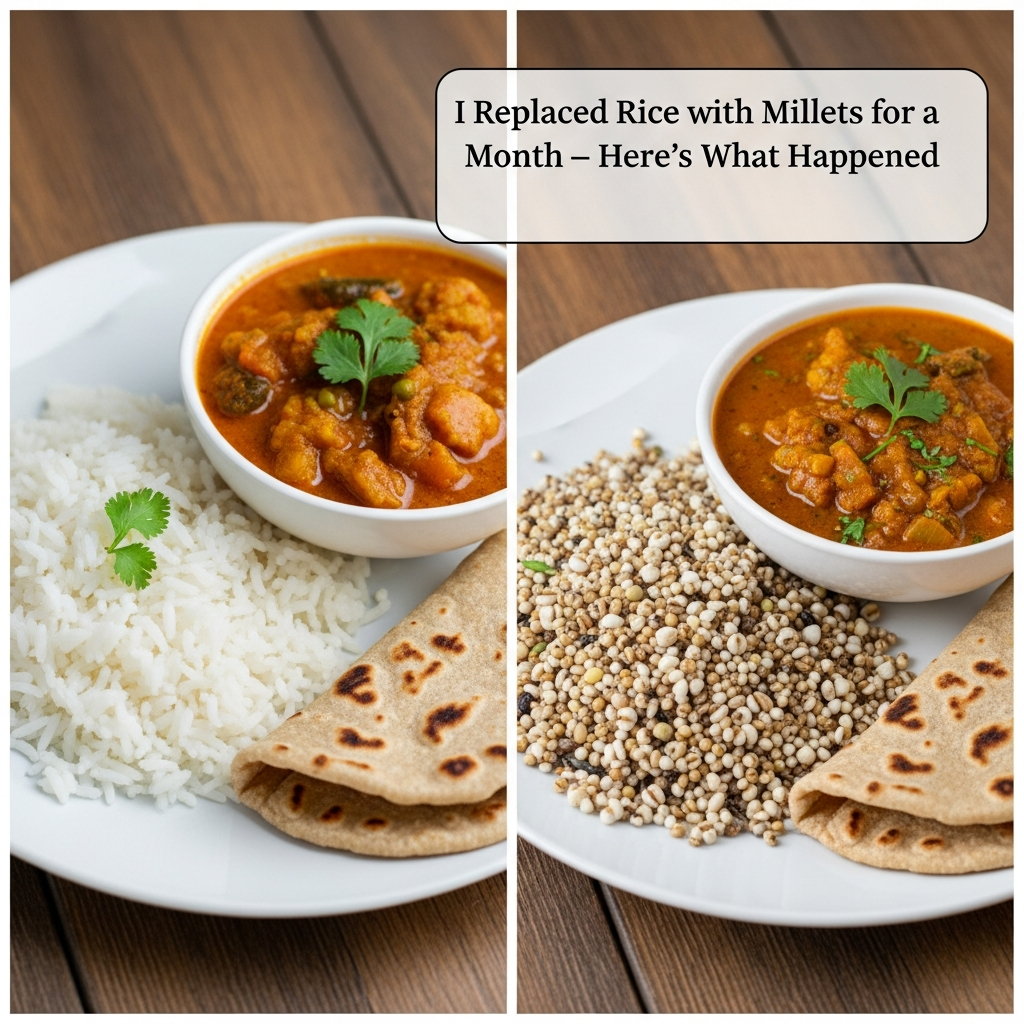
For years, rice was a staple in almost every meal I ate. Whether it was lunch or dinner, it felt incomplete without a plate of rice. But as I started focusing more on weight loss and overall health, I kept hearing about millets as a better alternative. They were described as more filling, better for blood sugar, and helpful for fat loss. Curious to see if the hype was real, I decided to do something simple but challenging—I completely replaced rice with millets for 30 days.
I didn’t follow a strict diet plan or starve myself. The only major change I made was swapping rice with different types of millets in my daily meals. What happened over the next month was more noticeable than I expected, not just in terms of weight, but also in how I felt physically and mentally.
The First Week: Adjusting to the Change
The first few days were the hardest. Rice is not just food; it is comfort. Switching to millets felt unfamiliar, both in taste and texture. Meals that I was used to suddenly felt different, and there was a strong urge to go back to rice, especially during lunch.
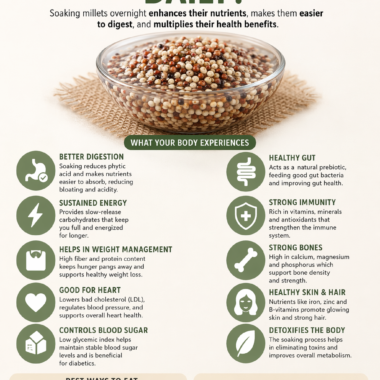
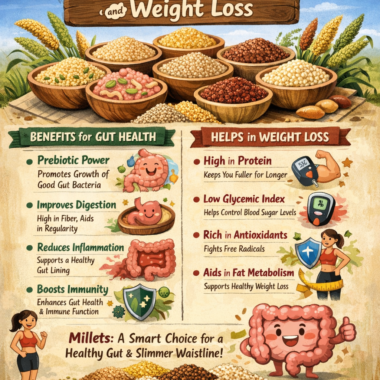
Another noticeable change was digestion. Since millets are much higher in fiber, my body needed time to adjust. There was a slight feeling of heaviness and mild bloating initially, which is something many people experience when increasing fiber intake suddenly. However, this phase didn’t last long, and within a few days, digestion started to improve.
Despite the initial discomfort, one interesting thing stood out—I was feeling full for longer. Even though I was eating similar portions, I didn’t feel the need to snack frequently. This was the first sign that something was changing.
The Second Week: Reduced Hunger and Better Energy
By the second week, the transition started to feel easier. The cravings for rice reduced significantly, and millets began to feel like a normal part of my meals. What surprised me the most during this phase was the change in hunger patterns.
Earlier, I would feel hungry within a couple of hours after eating rice, especially if the meal was light. But with millets, the fullness lasted much longer. This naturally reduced my overall food intake without any conscious effort. I wasn’t trying to eat less—it just happened on its own.
Energy levels also became more stable. Instead of experiencing the usual post-meal sluggishness, I felt more consistent energy throughout the day. There were fewer sudden drops that made me crave sugary snacks or tea breaks.
The Third Week: Visible Changes Begin
Around the third week, the changes became more visible. The first thing I noticed was reduced bloating. My stomach felt lighter, and there was a noticeable difference in how my clothes fit, especially around the waist.
Weight loss started to become more evident as well. While it wasn’t dramatic overnight, there was a steady drop that felt sustainable. More importantly, the weight loss didn’t feel forced. I wasn’t starving or restricting myself excessively; it felt like my body was naturally adjusting.
Another benefit was improved digestion. Meals felt lighter, and there was a sense of overall comfort that I didn’t experience before. This made it easier to stay consistent with the new routine.
The Fourth Week: Final Results After 30 Days
By the end of the month, the results were clear. There was a noticeable reduction in weight, along with a visible difference in body shape. The most significant change was around the midsection, where bloating had reduced and the waist felt slimmer.
But beyond physical changes, the biggest difference was how I felt. There was less heaviness after meals, better energy levels, and a more controlled appetite. Eating felt more balanced rather than driven by cravings.
What stood out the most was that this change didn’t feel extreme. It was a simple substitution—replacing rice with millets—but the impact was significant when done consistently over 30 days.
What I Learned from This Experience
One of the biggest lessons was that small changes can lead to meaningful results. I didn’t completely overhaul my diet or follow a complicated plan. I simply replaced one staple food with another, and that alone created a noticeable difference.
Millets worked not because they are “magical,” but because they helped control hunger, stabilize energy levels, and reduce overeating. These factors are what truly drive weight loss.
Another important realization was the importance of consistency. The results didn’t come in a few days; they built up over time. Sticking to the routine, even during the initial adjustment phase, made all the difference.
Rice vs Millets: My Honest Take
After a month of experience, the difference between rice and millets became very clear. Rice is easy to digest and comforting, but it doesn’t keep you full for long. This often leads to frequent hunger and increased calorie intake.
Millets, on the other hand, are more filling and digest slowly. This makes it easier to control portions and avoid unnecessary snacking. While they may take some time to get used to, the benefits become evident with consistency.
That said, this doesn’t mean rice needs to be completely eliminated forever. A balanced approach where millets are used more frequently and rice is consumed occasionally can be a practical long-term strategy.
Would I Continue This Diet?
After seeing the results, completely going back to my old habits didn’t make sense. While I may not avoid rice entirely, millets have become a regular part of my diet. The benefits in terms of satiety, digestion, and energy are too significant to ignore.
The key is balance. Instead of strict rules, a flexible approach that prioritizes healthier choices most of the time feels more sustainable.
Conclusion
Replacing rice with millets for a month turned out to be a simple yet powerful experiment. The changes in weight, digestion, and energy levels made it clear that what we eat daily has a significant impact on how our body functions.
The most important takeaway is that effective weight loss does not always require extreme measures. Sometimes, a single consistent change can create meaningful results. For anyone looking to improve their diet without drastic restrictions, switching to millets is definitely worth trying.