Introduction
When it comes to healthy weight loss, oats and millets are two of the most recommended foods. Both are often positioned as superior alternatives to refined grains, and both have earned a place in modern diets focused on fat loss and better health. However, many people find themselves confused about which one is actually more effective. Should you start your day with oats, switch to millets, or try to include both?
The answer is not as straightforward as choosing one over the other. While oats and millets share several similarities, they differ in how they affect digestion, hunger, blood sugar levels, and long-term sustainability. Understanding these differences can help you make a smarter choice based on your lifestyle and weight loss goals.
Understanding Oats and Their Role in Weight Loss
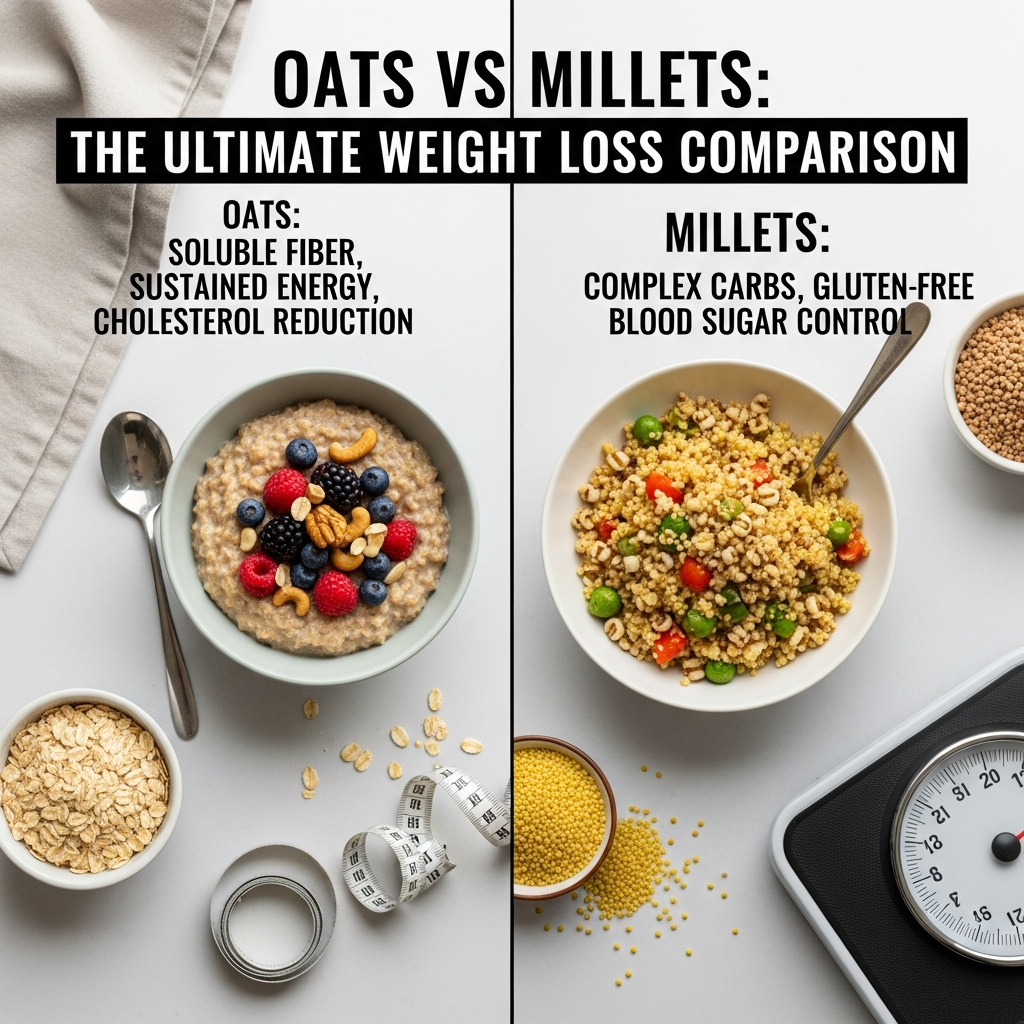
Oats are widely known for their high content of soluble fiber, particularly beta-glucan. This type of fiber forms a gel-like substance in the digestive system, which slows down the absorption of nutrients and creates a strong feeling of fullness. This is one of the main reasons oats are commonly recommended for breakfast in weight loss diets.
The slow digestion of oats helps maintain steady energy levels and reduces the likelihood of sudden hunger spikes. This makes it easier to control calorie intake throughout the day. Oats are also beneficial for heart health, as they help lower cholesterol levels, adding an extra layer of health benefits beyond weight loss.
However, not all oats are equal. Highly processed instant oats can digest faster and may not provide the same level of satiety as less processed forms like rolled or steel-cut oats. Choosing the right type of oats is essential for maximizing their benefits.
Understanding Millets and Their Impact on Fat Loss
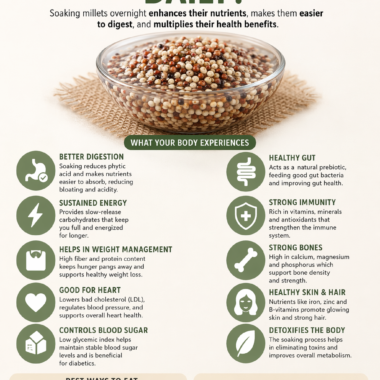
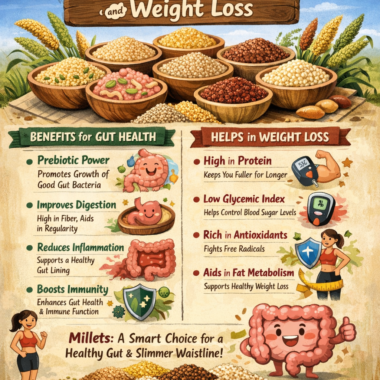
Millets are a group of ancient grains that have gained popularity due to their high fiber content, low glycemic index, and rich nutrient profile. Unlike oats, which are typically consumed in a limited variety of dishes, millets can be used in a wide range of meals, from breakfast to dinner.
One of the key advantages of millets is their ability to digest slowly and release energy gradually. This helps maintain stable blood sugar levels and prevents the spikes and crashes that often lead to cravings. Their high fiber content also contributes to prolonged satiety, making it easier to stick to a calorie deficit.
Millets are also rich in essential minerals such as magnesium, iron, and antioxidants. These nutrients support metabolic processes and overall health, which are important for sustainable weight loss.
Comparing Oats and Millets for Weight Loss
When comparing oats and millets, the first major difference lies in their versatility. Oats are primarily used for breakfast, which limits their role in a full-day diet. Millets, on the other hand, can replace rice or wheat in multiple meals, making them more adaptable for long-term dietary changes.
In terms of satiety, both oats and millets perform well, but in slightly different ways. Oats provide a strong, immediate feeling of fullness due to their soluble fiber. Millets, however, offer more sustained satiety over a longer period because of their combination of soluble and insoluble fiber.
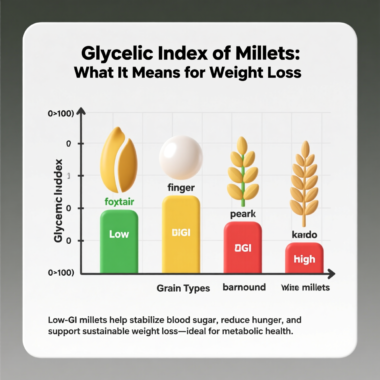
Blood sugar control is another important factor. Millets generally have a lower glycemic index compared to many forms of oats, especially instant varieties. This means they may be more effective at preventing insulin spikes and supporting fat loss over time.
From a nutritional perspective, millets tend to offer a broader range of vitamins and minerals. While oats are highly beneficial, especially for heart health, millets provide a more diverse nutrient profile that supports overall metabolic function.
Which Is Better for Weight Loss?
The choice between oats and millets ultimately depends on how you plan to use them in your diet. Oats are an excellent option for breakfast, helping to control hunger early in the day and prevent overeating later. Their convenience and quick preparation make them a practical choice for busy routines.
Millets, however, offer a more comprehensive solution for weight loss. Their versatility allows them to be included in multiple meals, helping maintain satiety and stable energy levels throughout the day. This makes it easier to sustain a calorie deficit over time.
For many people, the most effective approach is not to choose one over the other but to combine both strategically. Using oats for breakfast and millets for lunch or dinner can provide the benefits of both foods while maintaining variety in the diet.
How to Use Oats and Millets Together
Combining oats and millets in your diet can create a balanced and sustainable weight loss plan. Starting the day with oats can help control morning hunger and provide steady energy. Including millets in main meals ensures that you remain full and satisfied throughout the day.
This combination also prevents dietary monotony, making it easier to stick to healthy eating habits. Variety is important not only for nutrition but also for maintaining motivation during a weight loss journey.
As with any food, portion control and preparation methods are crucial. Avoiding added sugars in oats and limiting oil in millet dishes ensures that their benefits are not overshadowed by excess calories.
Conclusion
Both oats and millets are excellent choices for weight loss, each offering unique benefits that support fat loss in different ways. Oats are ideal for controlling hunger and providing a strong start to the day, while millets offer sustained satiety and versatility that can support long-term weight management.
Rather than viewing them as competitors, it is more effective to see them as complementary foods. By using each where it performs best, you can create a balanced diet that supports consistent and sustainable weight loss. Ultimately, the key lies in choosing foods that help you maintain a calorie deficit while keeping you satisfied and energized.