Introduction
Managing diabetes and losing weight often feel like two separate challenges, but in reality, they are closely connected. The foods you choose play a major role in both controlling blood sugar levels and reducing body fat. This is where millets have gained attention as a natural and effective dietary option.
Millets are not a new trend—they have been part of traditional diets for centuries. However, their nutritional value makes them especially relevant today, particularly for people looking to manage diabetes while also working toward weight loss. The key question is not just whether millets are healthy, but how they actually impact blood sugar and fat loss when included in a daily diet.
How Millets Affect Blood Sugar Levels
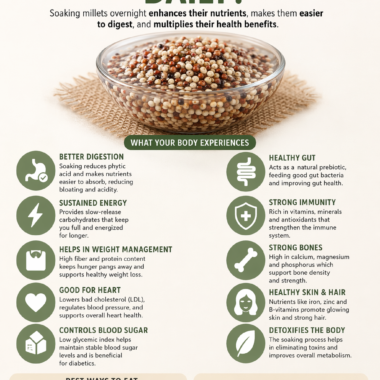
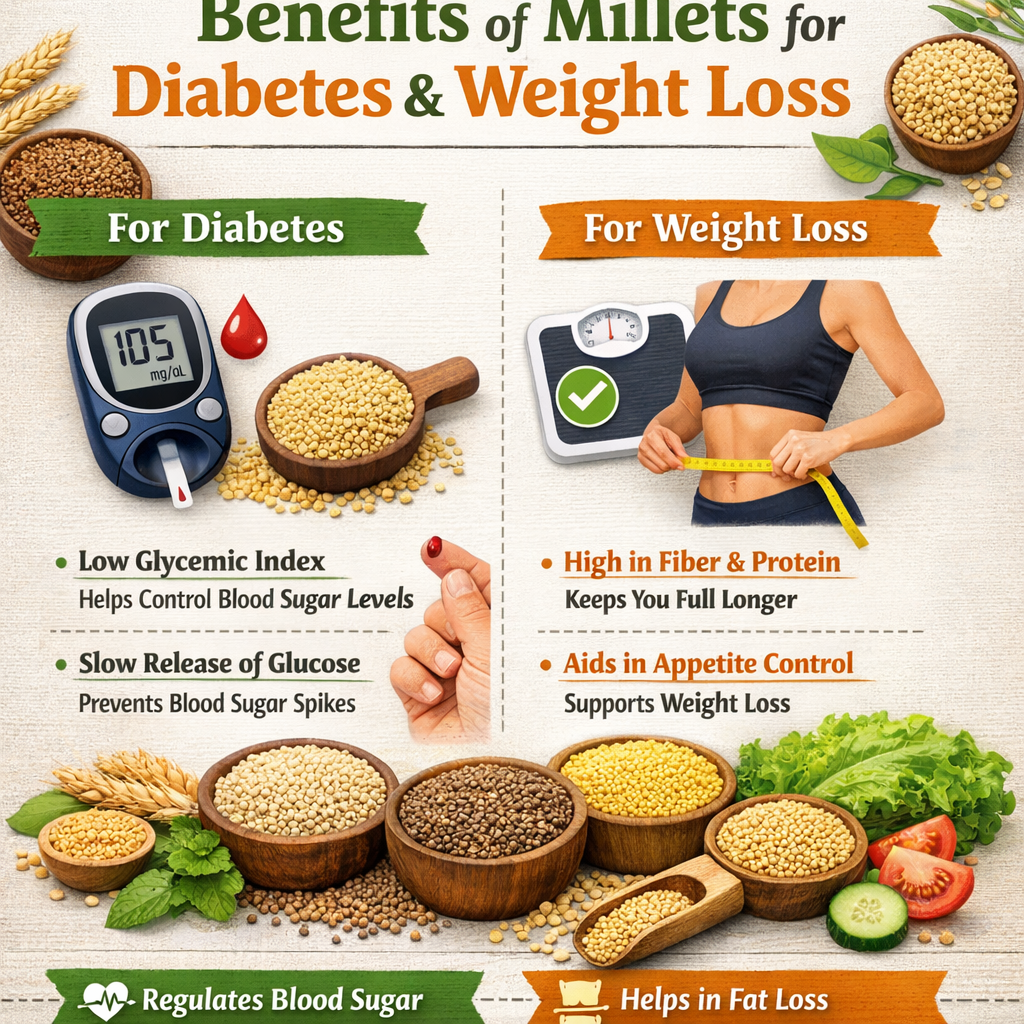
One of the main reasons millets are recommended for diabetes is their ability to regulate blood sugar. Unlike refined grains such as white rice, which are quickly digested and cause rapid spikes in blood glucose, millets digest slowly. This slow digestion leads to a gradual release of glucose into the bloodstream.
Stable blood sugar levels are essential for managing diabetes. When glucose levels rise too quickly, the body responds with a surge of insulin, which can lead to fat storage and increased hunger. Millets help prevent these sharp fluctuations, making it easier to maintain balanced energy levels throughout the day.
The fiber content in millets also plays a crucial role. Fiber slows down the absorption of carbohydrates, further supporting steady blood sugar levels. This makes millets a more reliable option for individuals who need to control their glucose response after meals.
Why Millets Support Weight Loss
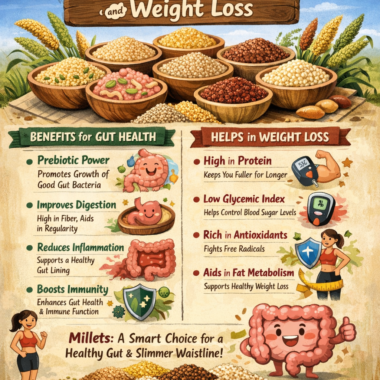
Weight loss depends largely on maintaining a calorie deficit, but controlling hunger is often the biggest challenge. Millets help address this by promoting satiety. Their high fiber content keeps you full for longer periods, reducing the need for frequent snacking.
Because millets digest slowly, they provide sustained energy instead of quick bursts followed by crashes. This helps reduce cravings for sugary or high-calorie foods, which are common obstacles in weight loss journeys.
Another advantage is their nutrient density. Millets provide essential minerals and support metabolic functions, helping the body use energy more efficiently. This can contribute to gradual and sustainable fat loss when combined with a balanced diet.
The Connection Between Diabetes and Weight Loss
For many people, improving blood sugar control can also support weight loss. When blood sugar levels are stable, insulin levels are more balanced, which helps reduce fat storage. This is why foods that regulate glucose levels, like millets, can be beneficial for both conditions at the same time.
Frequent blood sugar spikes often lead to increased hunger and overeating. By preventing these spikes, millets help create a more controlled eating pattern. Over time, this leads to reduced calorie intake and improved weight management.
This dual benefit makes millets particularly useful for individuals who are dealing with both diabetes and excess weight.
Are All Millets Suitable for Diabetes?
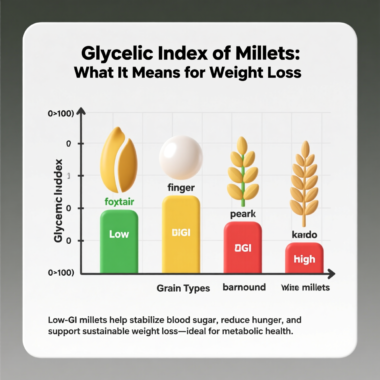
While millets are generally beneficial, not all types have the same effect on blood sugar. Some varieties have a lower glycemic impact than others, making them more suitable for diabetes management. Choosing the right type and controlling portion size are important for achieving the best results.
It is also important to consider how millets are prepared. Cooking methods that involve excessive oil or combining them with high-calorie ingredients can reduce their benefits. Simple, balanced meals are more effective for both blood sugar control and weight loss.
How to Include Millets in a Diabetes-Friendly Diet
Incorporating millets into your diet does not require drastic changes. Replacing refined grains with millets in one or two meals a day can make a noticeable difference. Combining them with vegetables and protein helps create balanced meals that support both glucose control and satiety.
Meal timing also matters. Consuming millets earlier in the day allows the body to use the energy more efficiently, while lighter meals in the evening help maintain overall balance. Consistency in eating patterns is just as important as food choice.
Gradual introduction is recommended, especially for those who are new to high-fiber foods. This helps the body adjust and reduces the chances of digestive discomfort.
Limitations and Things to Keep in Mind
Although millets offer many benefits, they are not a cure for diabetes or a guaranteed solution for weight loss. Portion control remains important, as excessive intake can still lead to higher calorie consumption.
Individual responses may vary, and factors such as overall diet, physical activity, and lifestyle habits play a significant role in results. Millets should be part of a broader approach that includes balanced nutrition and regular movement.
For individuals with specific health conditions, it may be helpful to consult a healthcare professional to tailor dietary choices according to personal needs.
Conclusion
Millets can be a valuable addition to a diet aimed at managing diabetes and supporting weight loss. Their ability to stabilize blood sugar, reduce hunger, and provide sustained energy makes them an effective alternative to refined grains.
However, their benefits depend on how they are used. Balanced meals, proper portion sizes, and consistent habits are essential for achieving the desired results. When combined with a healthy lifestyle, millets can play a significant role in improving both metabolic health and long-term weight management.