Introduction
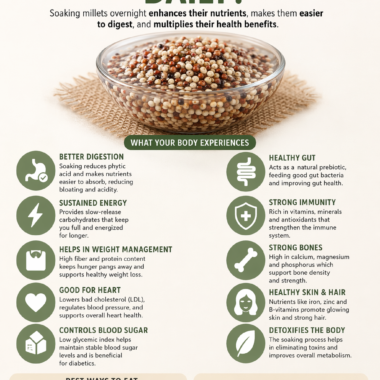
Millets are widely recognized as one of the healthiest grains for weight loss, but one of the most common questions people struggle with is how much to actually eat. While millets are rich in fiber, nutrients, and slow-digesting carbohydrates, eating the right quantity is what determines whether they help you lose weight or unintentionally slow your progress.
Weight loss is not just about choosing healthy foods; it is about maintaining the right balance between calorie intake and energy expenditure. Even nutrient-dense foods like millets can contribute to weight gain if consumed in excess. On the other hand, eating too little can leave you feeling hungry and unsatisfied, making it harder to stick to a diet. Finding the ideal daily quantity is the key to using millets effectively for fat loss.
Understanding the Role of Portion Size in Weight Loss
Portion control is one of the most important factors in any weight loss plan. Millets, despite being healthier than refined grains, still contain carbohydrates and calories. The goal is to consume enough to provide energy and satiety while staying within your daily calorie needs.
The body requires a steady supply of nutrients to function efficiently, especially during weight loss. When portions are balanced, millets can help control hunger, stabilize blood sugar levels, and support metabolism. However, oversized portions can lead to excess calorie intake, which may slow down fat loss even if the food itself is healthy.
Ideal Daily Quantity of Millets for Weight Loss
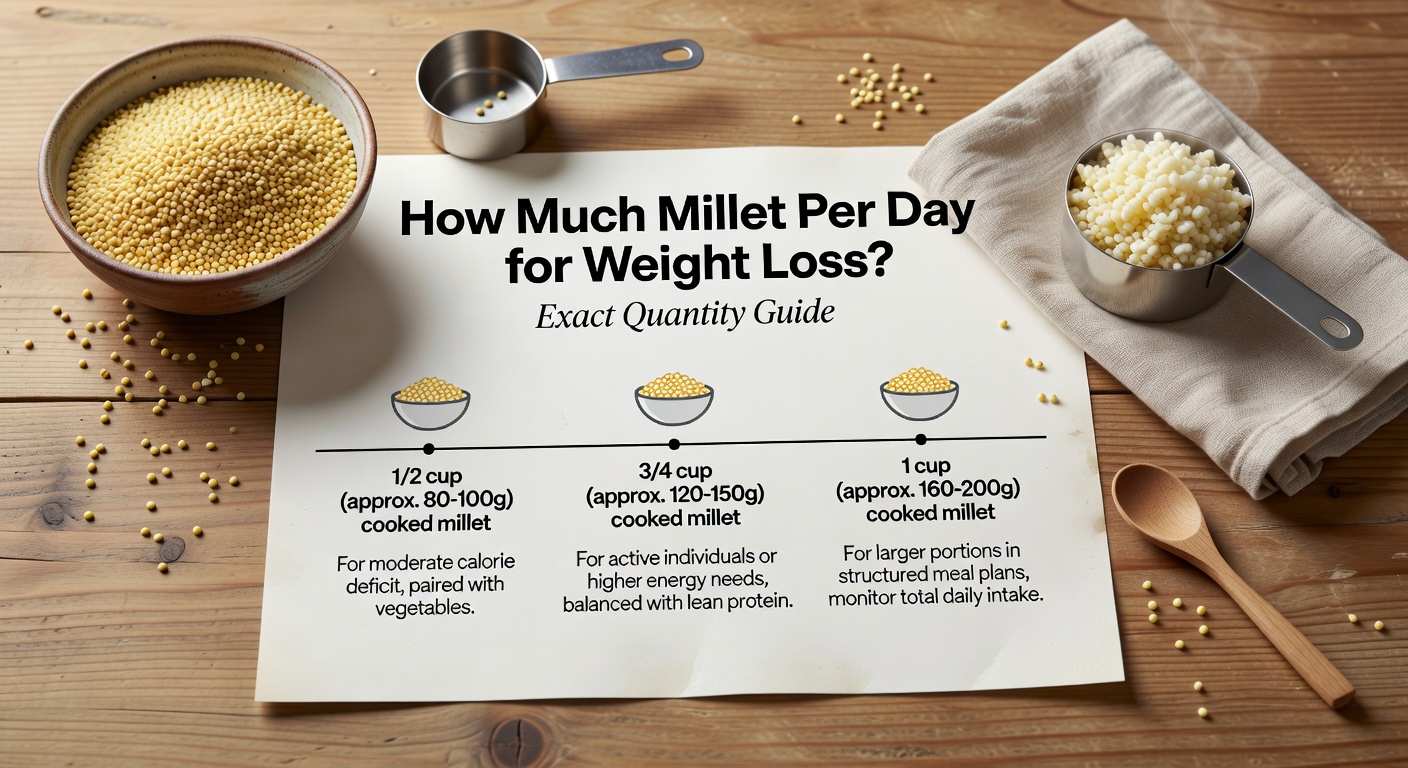
For most individuals aiming to lose weight, a moderate daily intake of millets works best. Typically, around one to one and a half cups of cooked millet per day is considered effective. This amount provides sufficient fiber and energy without exceeding calorie requirements.
If measured in raw form, this usually translates to approximately 40 to 60 grams of uncooked millet per day. Once cooked, millets expand significantly, making the portion appear larger and more satisfying. This helps create a feeling of fullness while keeping calorie intake under control.
The exact quantity can vary depending on factors such as age, activity level, and overall calorie needs. Someone with a more active lifestyle may require slightly larger portions, while those with a sedentary routine may benefit from staying on the lower end of the range.
How to Distribute Millet Intake Throughout the Day
Rather than consuming all your millet in a single meal, it is more effective to spread it across the day. Including a portion at breakfast or lunch helps provide sustained energy and keeps hunger under control for longer periods. This reduces the likelihood of overeating later in the day.
Lunch is often the best meal to include a slightly larger portion of millets, as the body can utilize the energy efficiently during active hours. If millets are consumed at dinner, the portion should be smaller and paired with vegetables to keep the meal light and easy to digest.
This balanced distribution ensures that the body receives consistent energy without overloading it at any one time. It also supports better digestion and helps maintain a steady calorie deficit.
Adjusting Quantity Based on Weight Loss Goals
The amount of millet you should consume can also depend on how aggressive your weight loss goals are. For faster fat loss, slightly reducing the quantity while increasing protein and vegetable intake can help create a larger calorie deficit. This approach maintains satiety while lowering overall calorie consumption.
For those aiming for gradual and sustainable weight loss, sticking to moderate portions and focusing on consistency is often more effective. Extreme reductions in portion size can lead to hunger and may not be sustainable in the long term.
Listening to your body’s hunger and fullness signals is essential. Eating until you feel comfortably satisfied, rather than completely full, can help maintain the right balance.
Balancing Millets with Other Nutrients
Millets should not be consumed in isolation. Pairing them with protein-rich foods such as lentils, eggs, or dairy enhances their effectiveness for weight loss. Protein increases satiety and helps preserve muscle mass, which is important for maintaining a healthy metabolism.
Adding vegetables to millet-based meals increases fiber content and provides essential vitamins and minerals. This combination creates a well-rounded meal that supports both weight loss and overall health.
Healthy fats in small amounts can also be included to improve nutrient absorption and add flavor, but they should be used sparingly to avoid excess calories.
Common Mistakes When Measuring Millet Intake
One of the most common mistakes is relying on visual estimates instead of measuring portions. Because millets expand when cooked, it can be easy to underestimate how much you are actually consuming. Measuring raw portions before cooking provides a more accurate way to control intake.
Another mistake is assuming that more is better simply because millets are healthy. Overeating can cancel out the calorie deficit needed for weight loss. Similarly, combining millets with high-calorie ingredients such as excessive oil or fried accompaniments can reduce their effectiveness.
Consistency is also important. Frequently changing portion sizes or eating patterns can make it difficult to track progress and achieve steady results.
Conclusion
The ideal quantity of millets for weight loss lies in moderation and balance. Consuming around one to one and a half cups of cooked millet per day, or approximately 40 to 60 grams in raw form, provides the benefits of satiety and sustained energy without exceeding calorie needs. Distributing this intake across meals and pairing it with protein and vegetables further enhances its effectiveness.
Weight loss is not about eliminating foods but about using them wisely. When consumed in the right quantity and as part of a balanced diet, millets can become a powerful tool for achieving sustainable fat loss and long-term health.