Introduction
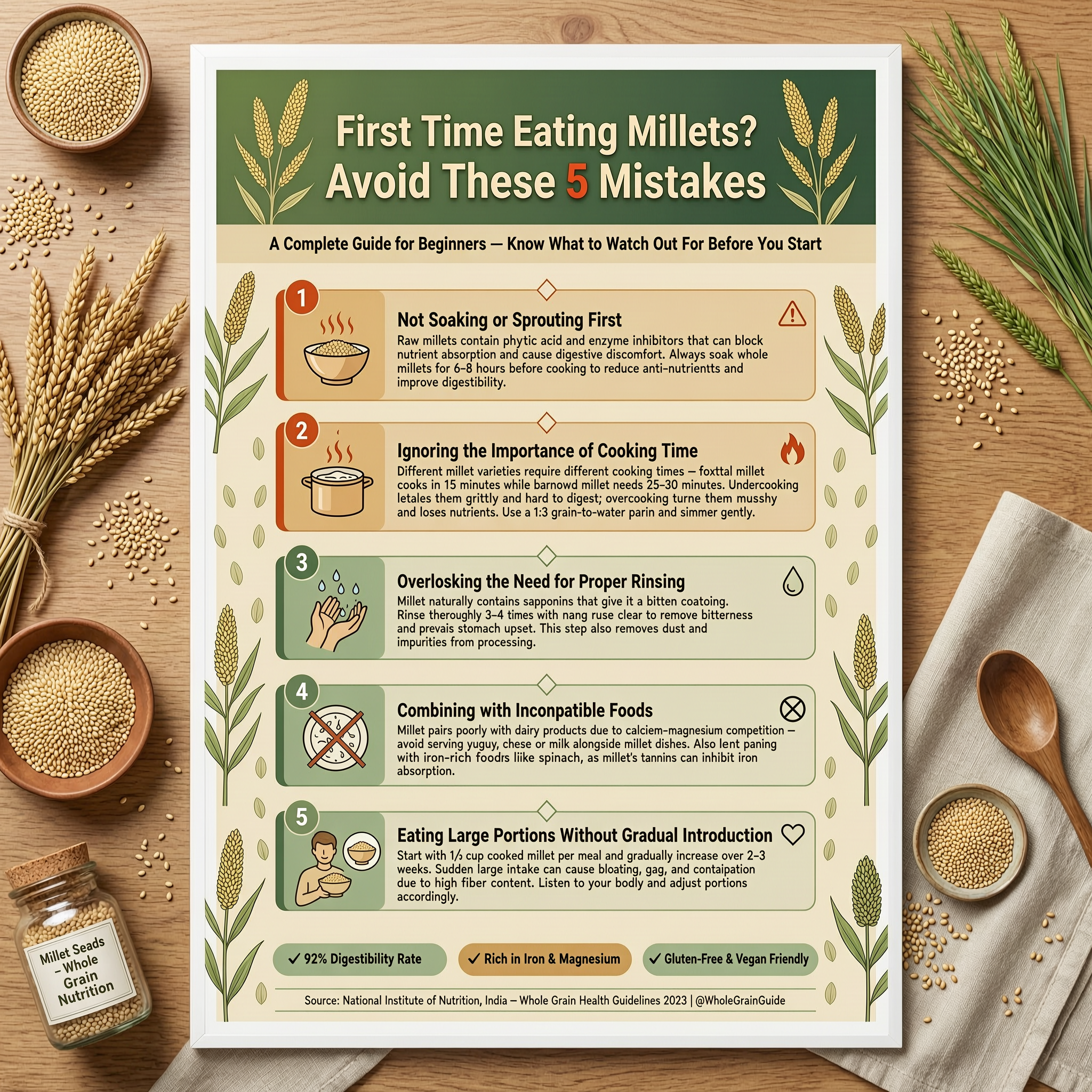
Trying millets for the first time is a great step toward healthier eating, but many beginners don’t get the results they expect. Some experience bloating, others feel dissatisfied with taste, and a few even give up within days. The problem isn’t with millets—it’s with how they are introduced into the diet.
Millets are very different from foods like rice or wheat. They are richer in fiber, slower to digest, and more filling. Because of this, your body needs time to adapt. If you rush the process or approach it the wrong way, it can lead to discomfort and frustration. Understanding the most common mistakes can help you avoid these issues and make your transition smooth and effective.
Mistake 1: Switching Completely Overnight
One of the biggest mistakes beginners make is replacing all their meals with millets from day one. While this might seem like a strong commitment, it often backfires. The sudden increase in fiber can overwhelm your digestive system, leading to bloating, gas, or heaviness.
Your body needs time to adjust to the new food. A gradual approach works much better. Starting with just one millet-based meal per day allows your system to adapt comfortably. As your body becomes used to the change, you can slowly increase the frequency without experiencing side effects.
Mistake 2: Eating the Same Quantity as Rice
Another common issue is portion size. Many people assume they can eat millets in the same quantity as rice, but this is not ideal. Millets are denser and more filling, which means smaller portions are enough to satisfy hunger.
Overeating millets can lead to discomfort and may even slow down weight loss due to excess calorie intake. Learning to listen to your body and recognizing when you feel satisfied is important. Eating slightly smaller portions than usual can make a big difference in how you feel after meals.
Mistake 3: Ignoring Protein and Eating Only Millets
Some beginners treat millets as a complete meal on their own, which can lead to imbalance. While millets are nutritious, they do not provide all the nutrients your body needs. Eating them without protein or vegetables can result in increased hunger later and reduced effectiveness for weight loss.
A balanced meal should include protein sources such as lentils, dairy, or eggs, along with vegetables. This combination improves satiety, supports muscle health, and keeps energy levels stable. Millets work best as part of a complete meal, not as the only component.
Mistake 4: Choosing Complicated or Heavy Recipes
When starting out, many people try elaborate millet recipes that are rich in oil, spices, or heavy ingredients. While these dishes may taste good, they can be harder to digest and may reduce the health benefits of millets.
Simple cooking methods are more effective, especially in the beginning. Light preparations that focus on natural flavors are easier on the digestive system and help your body adapt. Once you are comfortable, you can gradually experiment with more variety.
Mistake 5: Not Drinking Enough Water
Increasing fiber intake without increasing water intake is a common oversight. Millets contain a significant amount of fiber, and without enough hydration, this can lead to digestive discomfort or constipation.
Water helps fiber move smoothly through the digestive system, making meals easier to process. Staying well-hydrated not only prevents side effects but also supports overall health and metabolism. This simple habit can make your transition to millets much more comfortable.
Why These Mistakes Matter
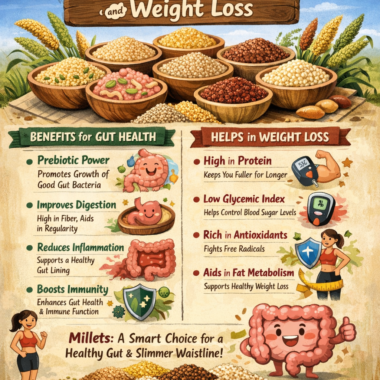
Each of these mistakes can make millets feel difficult to digest or less enjoyable, even though they are highly beneficial. The goal is not just to eat millets, but to eat them in a way that works with your body. When introduced correctly, millets can improve digestion, reduce hunger, and support weight loss.
Avoiding these mistakes allows you to experience the real benefits without unnecessary discomfort. It also makes the diet more sustainable, which is essential for long-term success.
How to Get Started the Right Way
The best approach is to keep things simple and gradual. Begin with one meal, control portion sizes, and focus on balanced combinations. Pay attention to how your body responds and make adjustments as needed. Over time, millets will start to feel like a natural part of your diet rather than a forced change.
Consistency is more important than perfection. Even small, steady changes can lead to meaningful results when maintained over time.
Conclusion
Starting a millet diet can be one of the easiest ways to improve your health, but the transition needs to be handled carefully. Avoiding common beginner mistakes like switching too quickly, overeating, ignoring balance, and neglecting hydration can make a significant difference in your experience.
Millets are not difficult to include in your diet once you understand how to use them properly. With the right approach, they can become a comfortable and beneficial part of your daily routine, helping you achieve better health and sustainable weight management.