Introduction
For people managing thyroid conditions, especially hypothyroidism, diet plays a crucial role in maintaining hormone balance and overall health. With the growing popularity of millets as a “healthy grain,” many wonder whether they are actually safe for thyroid patients or if they could interfere with thyroid function.
The answer is not completely black and white. Millets offer several nutritional benefits, but they also contain certain compounds that may affect thyroid health if consumed in excess. Understanding how millets interact with the thyroid can help you make informed decisions rather than avoiding them unnecessarily or using them incorrectly.
Understanding Thyroid and Diet Connection
The thyroid gland regulates metabolism through hormones that influence how your body uses energy. In conditions like hypothyroidism, this process slows down, often leading to weight gain, fatigue, and difficulty losing fat.
Diet can influence thyroid function by affecting hormone production and absorption. Certain foods support thyroid health, while others, if consumed in large amounts, may interfere with iodine uptake or hormone balance. This is where millets come into the discussion.
What Makes Millets a Concern for Thyroid Patients
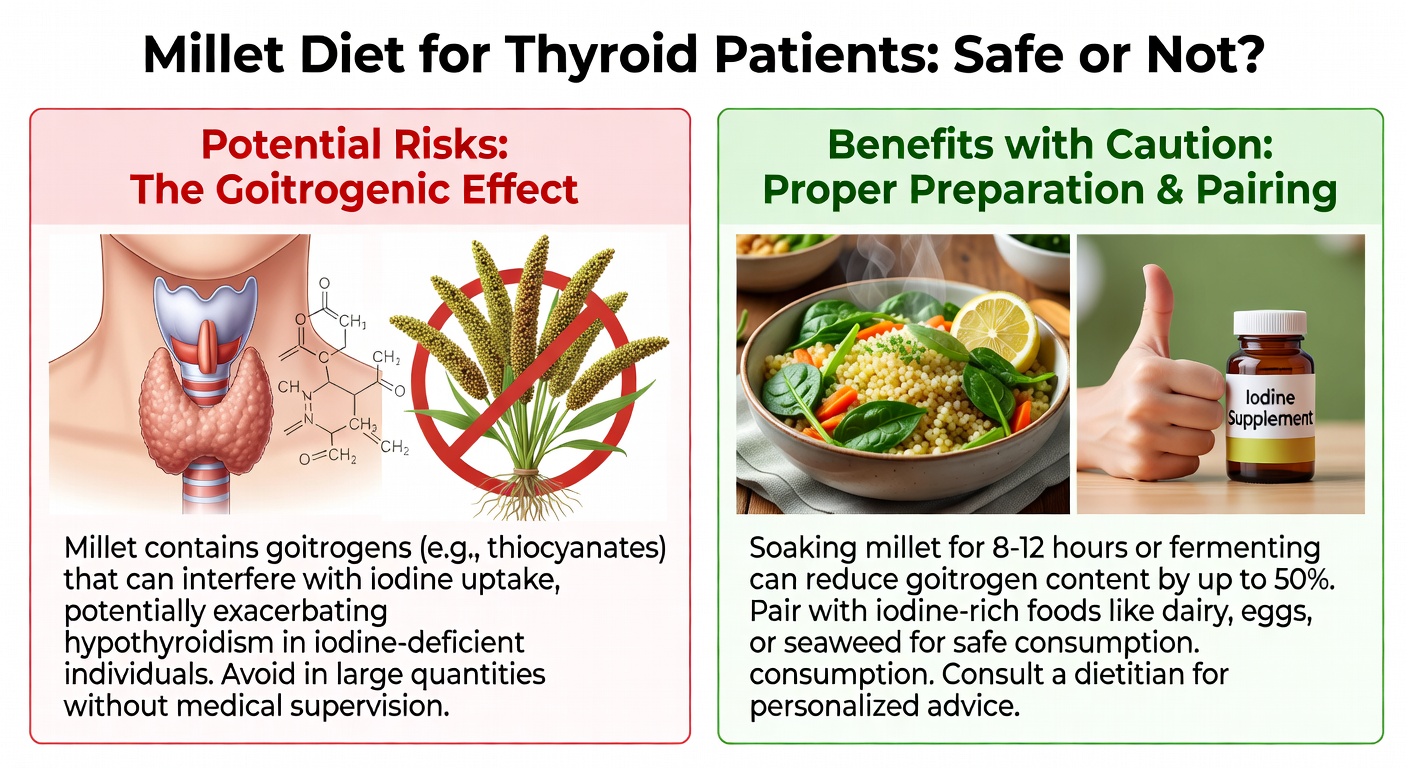
Millets contain natural compounds known as goitrogens. These substances can interfere with the thyroid’s ability to use iodine, which is essential for producing thyroid hormones. In theory, consuming large amounts of goitrogenic foods may contribute to reduced thyroid function, especially in individuals who already have iodine deficiency.
However, this effect is usually linked to excessive and unbalanced consumption. Eating millets in moderate quantities as part of a varied diet is unlikely to cause significant problems for most people.
The Benefits of Millets for Thyroid Health
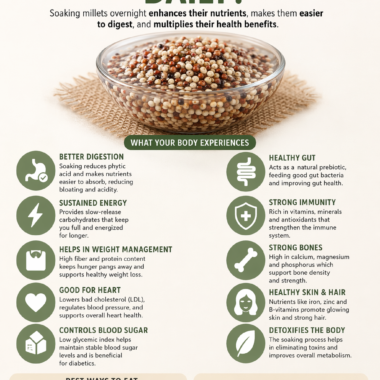
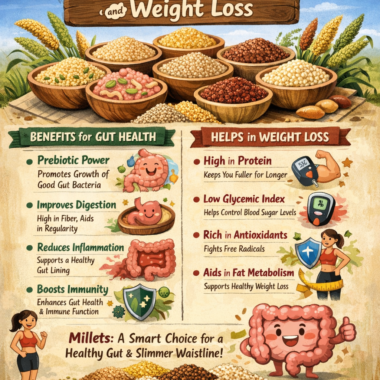
Despite concerns, millets also offer several advantages that can support overall health for thyroid patients. They are rich in fiber, which helps improve digestion and manage weight—two important factors for individuals with hypothyroidism.
Millets also provide essential nutrients such as iron and magnesium, which play a role in energy production and metabolic function. For people dealing with fatigue and slow metabolism, these nutrients can be beneficial.
Their ability to keep you full for longer can help control appetite and prevent overeating. This is particularly helpful for managing weight, which is often a challenge in thyroid conditions.
Are Millets Safe for Thyroid Patients?
Millets can be safe for thyroid patients when consumed in moderation and prepared properly. The key is balance. Completely eliminating millets is usually unnecessary, but relying on them as the primary grain in every meal may not be ideal.
Cooking methods can also reduce the potential impact of goitrogens. Proper soaking and cooking help improve digestibility and may minimize their effects. Pairing millets with iodine-rich foods and maintaining a balanced diet further reduces any potential risk.
For individuals with well-managed thyroid conditions, moderate consumption of millets is generally considered safe. However, those with severe hypothyroidism or iodine deficiency should be more cautious and may benefit from personalized dietary guidance.
How to Include Millets Safely in a Thyroid Diet
The safest approach is to treat millets as one part of a varied diet rather than the only grain source. Rotating between different grains ensures a balanced intake of nutrients and reduces the risk of overconsumption.
Portion control is important. Eating moderate amounts allows you to benefit from the nutritional value of millets without overexposing your body to goitrogenic compounds. Combining millets with protein and vegetables creates balanced meals that support overall health.
Timing and consistency also matter. Including millets in a structured meal plan, rather than eating them randomly or excessively, helps maintain stability in your diet.
Common Mistakes to Avoid
One of the biggest mistakes is assuming that millets are completely risk-free and consuming them in large quantities every day. Overreliance on a single food can lead to imbalances, even if the food itself is healthy.
Another mistake is ignoring overall nutritional balance. Focusing only on millets without ensuring adequate intake of iodine and other essential nutrients can affect thyroid health.
Sudden dietary changes can also be problematic. Gradually introducing millets and observing how your body responds is a more effective approach.
Conclusion
Millets are neither completely harmful nor universally perfect for thyroid patients. They can be a healthy addition to the diet when consumed in moderation and as part of a balanced eating pattern. Their fiber content, nutrient profile, and ability to support weight management make them beneficial, but overconsumption should be avoided.
The key is to use millets wisely rather than relying on them exclusively. By maintaining variety, controlling portions, and ensuring proper nutrition, thyroid patients can include millets safely without compromising their health.