Introduction
Starting a healthier diet can feel overwhelming, especially with so many options and conflicting advice. In recent years, millets have gained attention as a simple, natural, and effective way to improve nutrition and support weight loss. If you are new to millets, you might be wondering how to begin, what to eat, and whether it will actually work for you.
The good news is that a millet diet does not require drastic changes or complicated meal plans. It is not about strict restrictions or eliminating everything you enjoy. Instead, it is about making smarter substitutions and building sustainable habits over time. By understanding the basics and taking a gradual approach, you can easily incorporate millets into your daily routine and start seeing benefits without feeling overwhelmed.
What Are Millets and Why Are They Good for You?
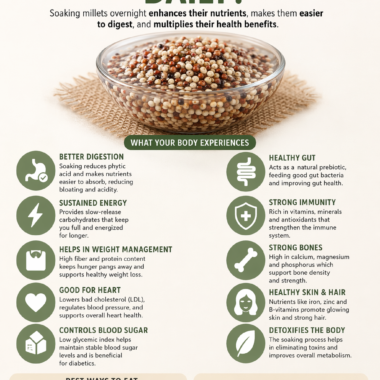
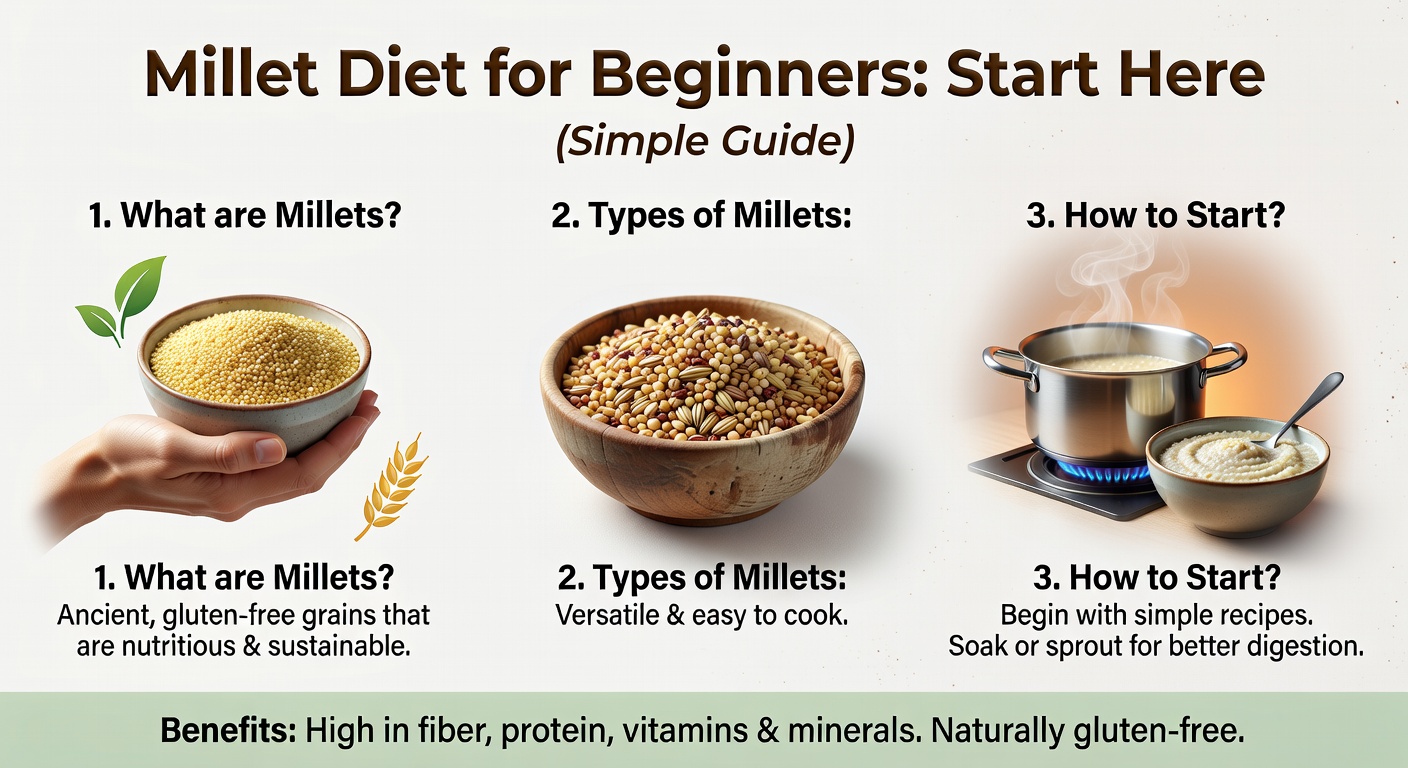
Millets are a group of ancient whole grains that have been consumed for centuries. Unlike refined grains such as white rice or processed wheat, millets retain their natural fiber and nutrients. This makes them more filling, slower to digest, and better for maintaining stable energy levels.
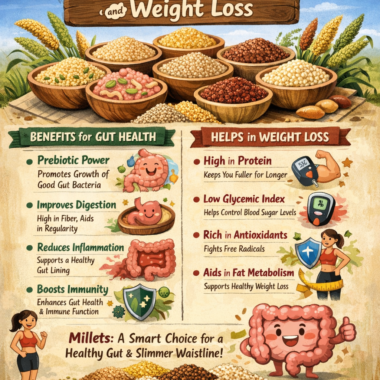
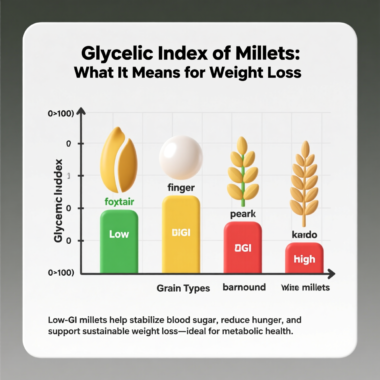
One of the biggest advantages of millets is their high fiber content. Fiber plays a key role in digestion and helps you feel full for longer periods, reducing the urge to snack frequently. This is especially helpful if your goal is weight loss. Millets also have a lower glycemic impact compared to refined grains, which means they release energy gradually instead of causing sudden spikes in blood sugar.
In addition to fiber, millets provide essential nutrients such as magnesium, iron, and antioxidants. These nutrients support metabolism and overall health, making millets a well-rounded addition to any diet.
Why a Millet Diet Works for Beginners
For beginners, the millet diet is effective because it focuses on simplicity rather than complexity. You are not required to follow a strict calorie-counting system or eliminate entire food groups. Instead, the main idea is to replace less healthy staples with more nutritious alternatives.
This approach works because it naturally improves the quality of your diet. By switching from refined grains to millets, you reduce rapid blood sugar fluctuations and improve satiety. This makes it easier to control portions and maintain a balanced eating pattern without constant effort.
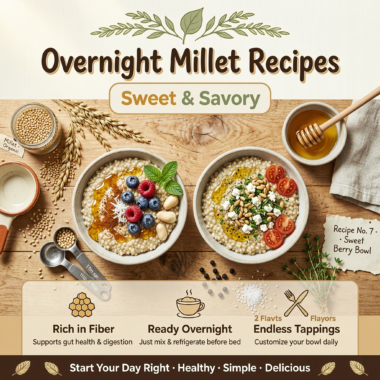
Another reason it works well for beginners is its flexibility. Millets can be used in a variety of dishes, from breakfast to dinner, allowing you to adapt them to your preferences and lifestyle.
How to Start a Millet Diet the Right Way
The most effective way to begin is by making gradual changes rather than trying to transform your entire diet overnight. A good starting point is to replace one meal a day with a millet-based alternative. For example, you can substitute rice with millets during lunch or dinner. This allows your body to adjust to the higher fiber content without causing discomfort.
As you become more comfortable, you can start including millets in other meals. The key is to keep things simple. Basic preparations with vegetables and a source of protein are more than enough to create balanced meals. There is no need for complicated recipes in the beginning.
It is also important to choose the right type of millet. Some varieties are easier to cook and digest, making them more suitable for beginners. Starting with these options can make the transition smoother and more enjoyable.
What a Simple Day on a Millet Diet Looks Like
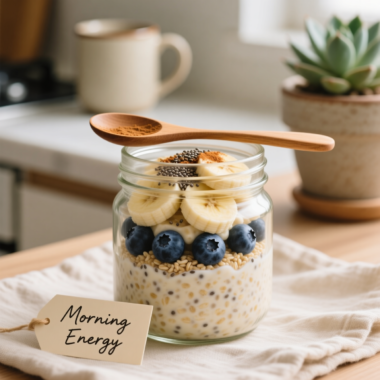
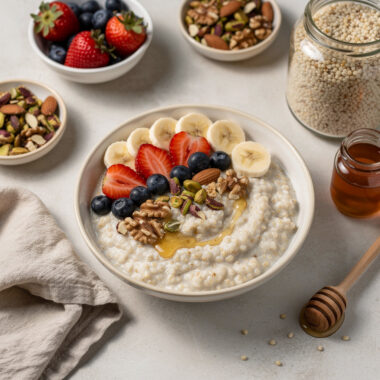
A typical day on a millet diet does not have to be complicated. Breakfast can include a light and filling meal that provides steady energy to start the day. This helps prevent mid-morning hunger and reduces the need for unhealthy snacks.
Lunch can be the main meal where millets replace rice or wheat. Combining millets with vegetables and protein creates a satisfying and balanced dish that keeps you full for several hours. This is often the most important meal for maintaining energy and avoiding afternoon cravings.
Dinner should be lighter and easier to digest. Smaller portions of millets, paired with vegetables, help maintain satiety without overloading the body before sleep. This approach supports better digestion and overall metabolism.
Common Mistakes Beginners Should Avoid
One of the most common mistakes is trying to do too much too quickly. Switching all meals to millets at once can lead to digestive discomfort due to the sudden increase in fiber. A gradual approach is more effective and sustainable.
Another mistake is overeating millets because they are considered healthy. While they are nutritious, they still contain calories, and portion control is important for weight loss. Balance is key.
Ignoring protein is another issue that can reduce the effectiveness of the diet. Millets should be part of a balanced meal that includes protein and vegetables. This combination improves satiety and supports overall health.
Cooking methods also matter. Using excessive oil or preparing heavy dishes can reduce the benefits of millets. Keeping meals simple and light helps maintain their effectiveness.
Tips to Make the Transition Easier
Starting a new diet is easier when you focus on small, consistent changes. Giving your body time to adjust is important, especially when increasing fiber intake. Staying hydrated helps support digestion and reduces the chances of discomfort.
Experimenting with different recipes can make the process more enjoyable. Finding meals that you genuinely like increases the chances of sticking to the diet long term. Variety also helps prevent boredom.
Most importantly, consistency matters more than perfection. Missing a meal or occasionally eating something outside the plan is normal. What matters is returning to the routine and maintaining healthy habits over time.
Conclusion
A millet diet is one of the simplest and most practical ways for beginners to improve their eating habits. By focusing on gradual changes, balanced meals, and consistency, you can experience benefits such as better digestion, improved energy levels, and effective weight management.
The goal is not to follow a strict or complicated plan but to build a sustainable routine that fits your lifestyle. Millets offer a flexible and nutritious foundation that makes this possible. With the right approach, starting a millet diet can be a smooth and rewarding journey toward better health.