Introduction
Millets have rapidly gained popularity as a healthier alternative to refined grains, especially among those focused on weight loss, diabetes management, and overall wellness. With their high fiber content, rich nutrient profile, and natural ability to support digestion, many people are now considering making millets a daily part of their diet. This raises an important question: should you actually eat millets every day, and is it truly beneficial in the long run?
From a nutritionist’s perspective, the answer is not a simple yes or no. While millets offer several health benefits, their impact depends on how they are consumed, in what quantity, and how well they are balanced with other nutrients. Eating any single food daily without variety can sometimes lead to nutritional imbalances, even if that food is considered healthy.
Understanding the Nutritional Value of Millets
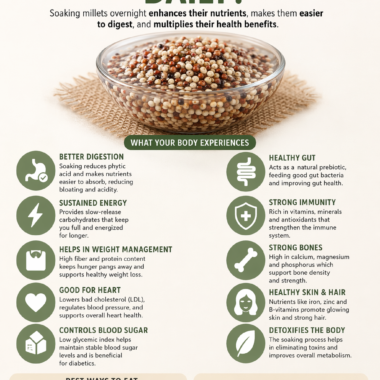
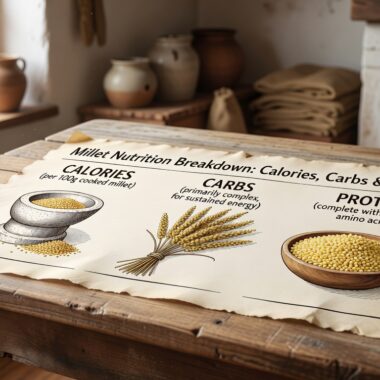
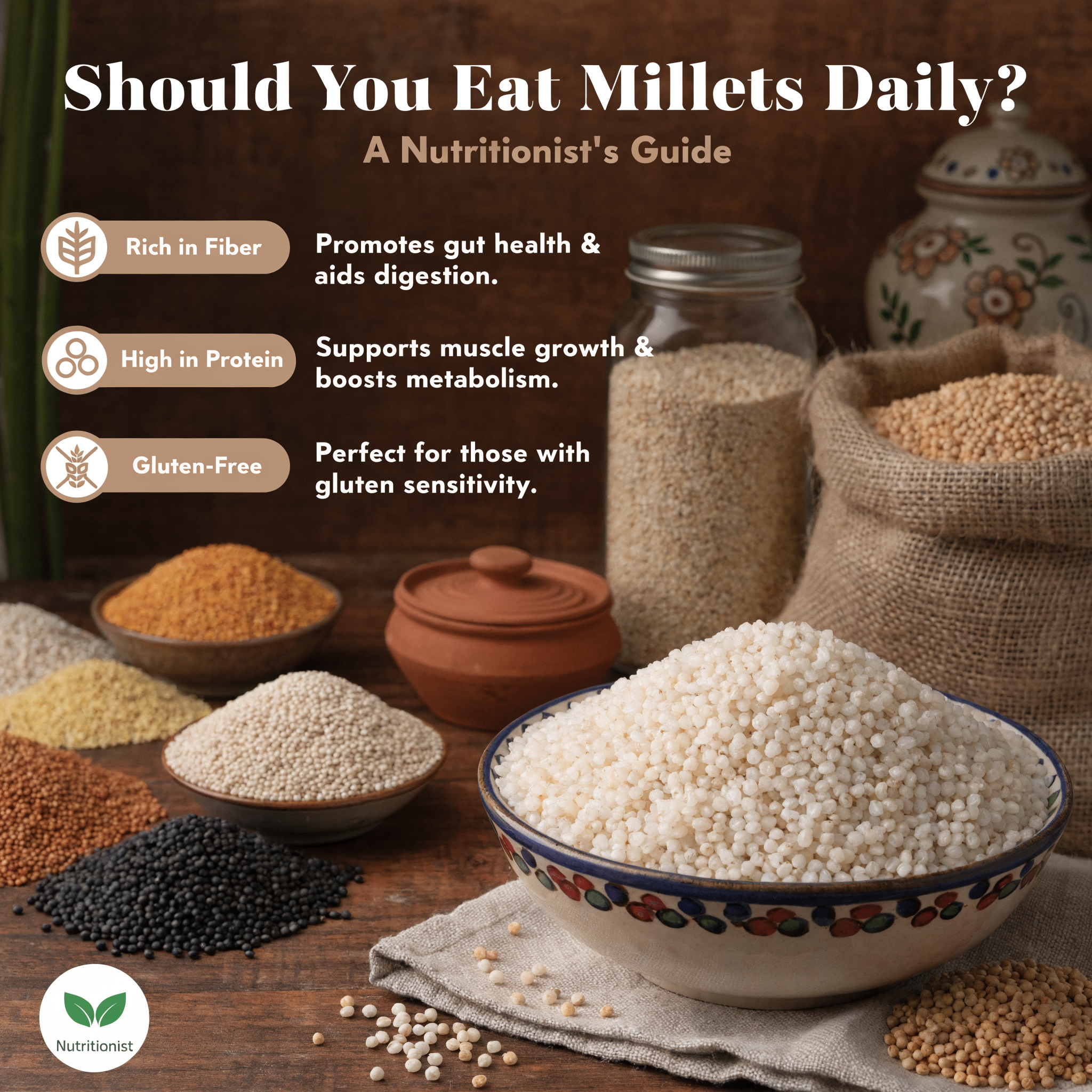
Millets are whole grains that retain their natural bran and germ, making them far more nutritious than refined grains. They are rich in dietary fiber, which plays a crucial role in digestion and appetite control. This high fiber content slows down digestion, helping you feel full for longer periods and reducing the likelihood of overeating.
In addition to fiber, millets provide essential minerals such as magnesium, iron, and phosphorus. These nutrients support various bodily functions, including energy production, bone health, and metabolic processes. Millets also contain plant-based protein, which contributes to muscle maintenance and overall body function, especially during weight loss.
Another important aspect of millets is their relatively low glycemic index compared to refined grains. This means they release glucose slowly into the bloodstream, helping maintain stable blood sugar levels. For individuals managing diabetes or trying to reduce fat storage, this characteristic makes millets particularly beneficial.
Benefits of Eating Millets Daily
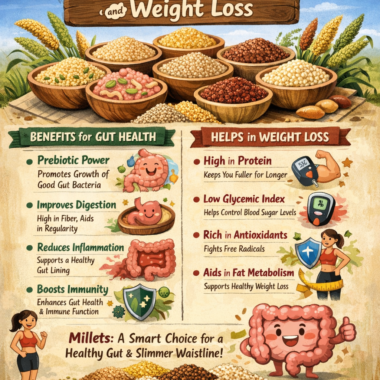
Including millets in your daily diet can offer several advantages when done correctly. One of the most significant benefits is improved digestion. The fiber in millets supports gut health by promoting regular bowel movements and encouraging the growth of beneficial gut bacteria.
Daily consumption of millets can also help with weight management. Because they are filling and slow to digest, they reduce hunger and make it easier to maintain a calorie deficit without feeling deprived. This makes them a practical choice for those aiming to lose or maintain weight.
Another advantage is better blood sugar control. Regular intake of low-glycemic foods like millets helps prevent sudden spikes and crashes in blood sugar levels. This not only supports metabolic health but also reduces cravings for sugary or high-calorie foods.
Additionally, millets contribute to overall nutritional balance. They provide a variety of vitamins and minerals that may be lacking in diets dominated by refined grains. Over time, this can lead to improved energy levels and better overall health.
Potential Downsides of Eating Millets Every Day
While millets are highly nutritious, eating them daily without proper balance can have some drawbacks. One of the main concerns is the risk of nutritional monotony. Relying heavily on a single type of grain can limit the variety of nutrients your body receives. A diverse diet is essential for overall health, and including different grains and food groups ensures a more complete nutrient intake.
Another consideration is portion size. Even healthy foods can contribute to weight gain if consumed in excess. Millets, being a source of carbohydrates, still provide calories, and overeating them can slow down weight loss or lead to unintended weight gain.
Some millets also contain compounds known as antinutrients, which can interfere with the absorption of certain minerals when consumed in large quantities over time. However, proper preparation methods such as soaking, fermenting, or cooking can significantly reduce these effects.
Digestive sensitivity is another factor to consider. For individuals who are not used to high-fiber diets, suddenly consuming large amounts of millets may cause bloating or discomfort. Gradually increasing intake allows the body to adjust more comfortably.
How to Eat Millets Daily the Right Way
From a nutritionist’s point of view, millets can absolutely be part of a daily diet, but they should be consumed thoughtfully. Variety is key. Rotating different types of millets, such as foxtail, barnyard, and kodo millet, helps ensure a broader range of nutrients while preventing monotony.
Balancing millets with other food groups is equally important. Including adequate protein from sources like lentils, dairy, or eggs enhances satiety and supports muscle health. Adding vegetables increases fiber and micronutrient intake, creating well-rounded meals that support overall health.
Portion control plays a crucial role in maintaining the benefits of millets. Instead of consuming large quantities in a single meal, it is more effective to include moderate portions across meals. This helps manage calorie intake while still benefiting from their nutritional value.
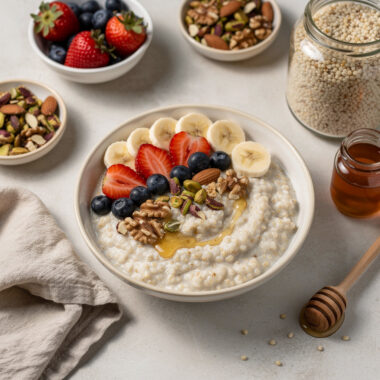
Preparation methods also matter. Cooking millets with minimal oil and avoiding highly processed or calorie-dense recipes ensures that their health benefits are preserved. Traditional methods like soaking and fermenting can improve digestibility and nutrient absorption.
Who Should Eat Millets Daily?
Millets can be particularly beneficial for individuals looking to lose weight, manage blood sugar levels, or improve digestion. They are also suitable for those seeking gluten-free alternatives to wheat. For people with active lifestyles, millets provide sustained energy that supports daily activities.
However, individuals with specific health conditions or dietary needs should consider personalizing their intake. Consulting a healthcare professional or nutritionist can help determine the right balance based on individual requirements.
Conclusion
Eating millets daily can be a healthy and effective choice when approached with balance and variety. Their high fiber content, nutrient density, and ability to stabilize blood sugar make them a valuable addition to any diet. However, like any food, they should not be consumed in isolation or in excessive amounts.
A nutritionist’s recommendation would be to include millets regularly while maintaining a diverse and balanced diet. By combining different grains, controlling portions, and using healthy cooking methods, you can enjoy the benefits of millets without compromising overall nutrition. Over time, this balanced approach supports not only weight management but also long-term health and well-being.