Introduction
Millets have become one of the most recommended foods for weight loss, especially as people move away from refined grains toward more natural, nutrient-dense options. However, simply adding millets to your diet does not automatically lead to fat loss. The real results come from understanding how to eat millets correctly—choosing the right types, preparing them in a healthy way, and combining them with the right foods.
Weight loss is not just about reducing calories; it is about improving how your body processes food, controls hunger, and uses energy. Millets support this process because they are rich in fiber, digest slowly, and help stabilize blood sugar levels. When used properly, they can reduce cravings, improve digestion, and support steady fat loss without extreme dieting.
Understanding Why Millets Work for Weight Loss
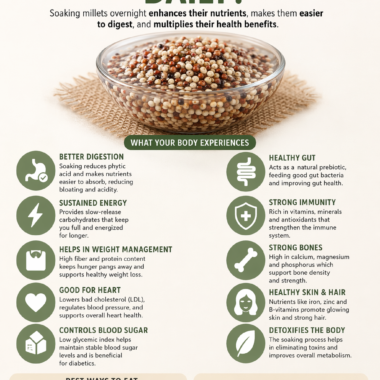
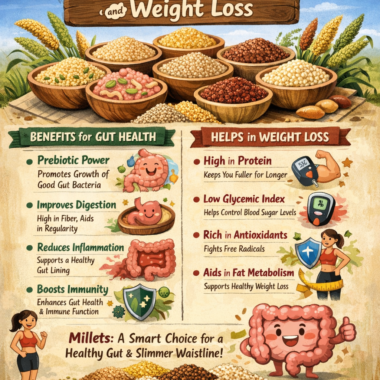
Millets are effective for weight loss because they address some of the most common challenges people face when trying to lose fat. One of these challenges is hunger. High-fiber foods like millets take longer to digest, which means they keep you full for a longer period. This reduces the need for frequent snacking and helps maintain a calorie deficit naturally.
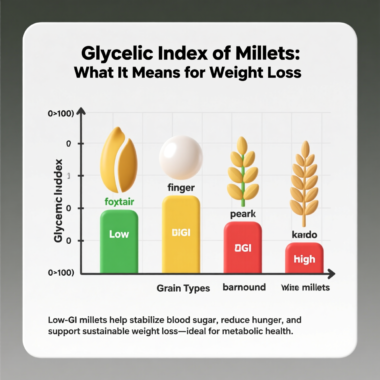
Another important factor is blood sugar control. Foods that cause rapid spikes in blood sugar often lead to increased fat storage and sudden hunger later. Millets, particularly those with a low glycemic index, release energy slowly. This steady release helps maintain consistent energy levels and prevents cravings for sugary or high-calorie foods.
Additionally, millets are packed with essential nutrients such as magnesium, iron, and antioxidants. These nutrients support metabolism and overall health, ensuring that your body functions efficiently during weight loss. Unlike many restrictive diets, including millets helps maintain nutritional balance.
Step-by-Step Approach to Eating Millets for Weight Loss
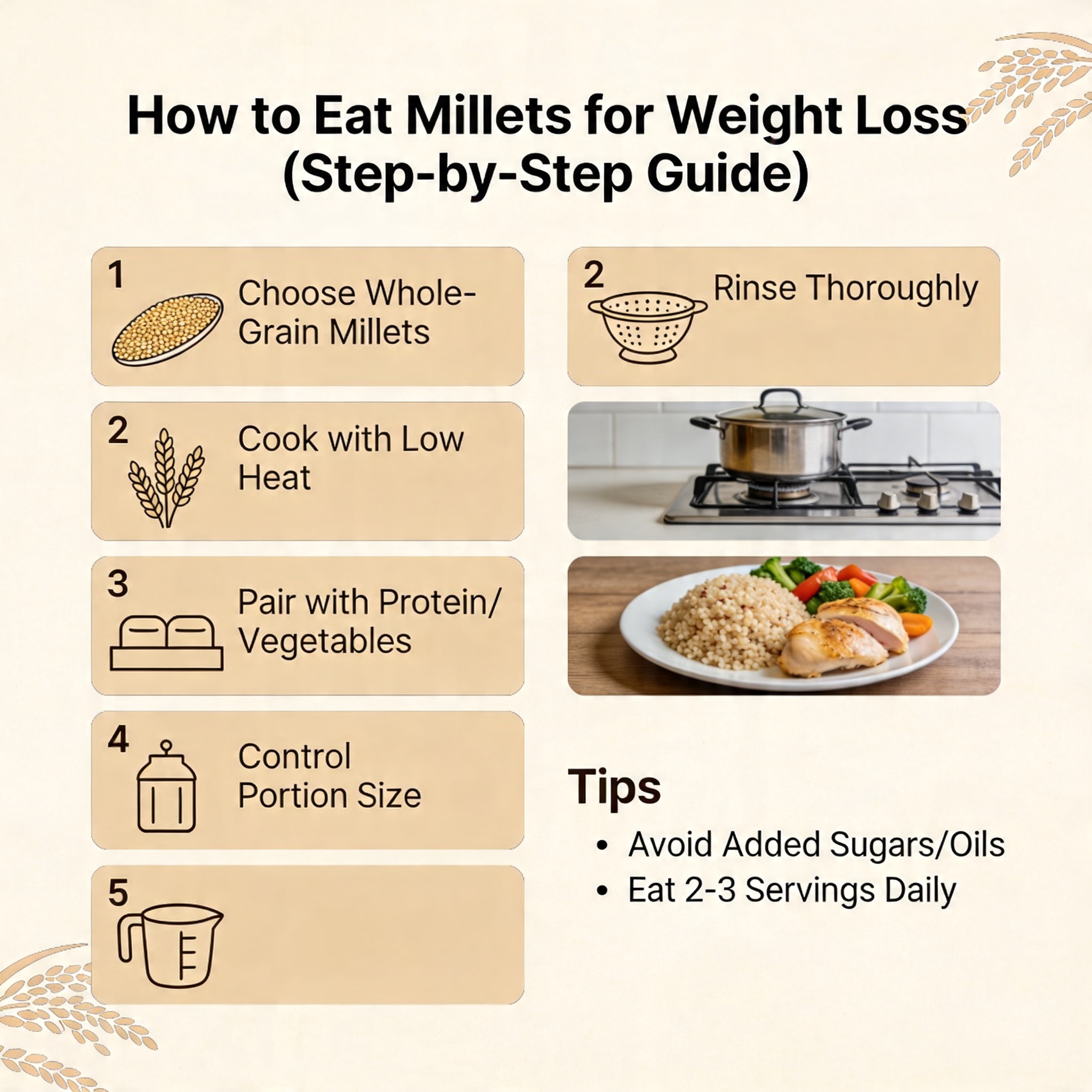
The first step in using millets effectively is choosing the right type. Not all millets are equally beneficial for weight loss. Varieties like barnyard millet, foxtail millet, and little millet are better choices because they have a lower glycemic index and higher fiber content. Selecting the right millet sets the foundation for effective fat loss.
The next step involves replacing refined grains with millets rather than simply adding them on top of your existing diet. For example, instead of eating both rice and millet in the same meal, it is more effective to substitute rice entirely with millet. This helps reduce overall carbohydrate intake and prevents excess calorie consumption.
Timing is another important aspect. Eating millets earlier in the day, such as during breakfast or lunch, allows your body to use the energy more efficiently. Since metabolism tends to slow down in the evening, consuming heavy meals at night can lead to fat storage. If millets are eaten for dinner, it is better to keep the portion light and pair them with vegetables.
Preparation methods also play a crucial role. Cooking millets with minimal oil and avoiding fried or calorie-dense recipes ensures that their health benefits are preserved. Simple methods such as boiling, steaming, or lightly sautéing are ideal. Adding vegetables enhances the fiber content, while including protein sources like lentils, eggs, or paneer improves satiety and supports muscle maintenance.
Portion control is equally important. Even though millets are healthy, overeating them can slow down weight loss. The goal is to create balanced meals that provide enough energy without exceeding your daily calorie needs. Eating mindfully and paying attention to hunger cues can help maintain the right portion sizes.
Consistency is what ultimately determines success. Eating millets occasionally will not produce noticeable results. Incorporating them regularly as part of a balanced diet, along with physical activity and proper hydration, creates the conditions needed for sustainable weight loss.
Building a Balanced Millet-Based Diet
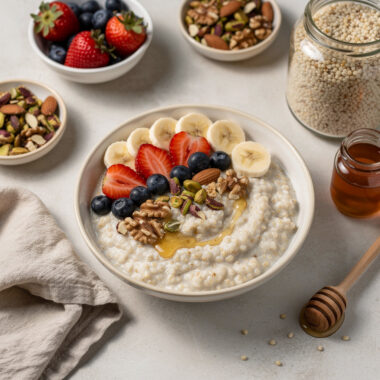
A well-structured diet using millets focuses on balance rather than restriction. Starting the day with a millet-based breakfast such as porridge or upma provides a steady source of energy. For lunch, millets can replace rice and be combined with vegetables and a protein source to create a satisfying and nutritious meal.
Snacking should be kept light and healthy, avoiding processed foods. Including small portions of millet-based dishes or salads can help maintain energy levels without adding unnecessary calories. Dinner should be lighter, focusing on easy-to-digest meals that support metabolism overnight.
Hydration also plays a vital role in weight loss. Drinking enough water helps digestion, reduces unnecessary hunger, and supports overall metabolic function. When combined with a millet-based diet, proper hydration enhances the effectiveness of your weight loss efforts.
Common Mistakes That Can Slow Down Results
Many people assume that millets alone can lead to weight loss, but this is not entirely true. Overeating millets, especially in calorie-rich preparations, can hinder progress. Another common mistake is combining millets with refined carbohydrates or sugary foods, which cancels out their benefits.
Ignoring protein intake is another issue. A diet that lacks protein can lead to muscle loss and a slower metabolism. Including adequate protein alongside millets ensures that weight loss comes primarily from fat rather than muscle.
Inconsistency is perhaps the biggest obstacle. Switching between healthy and unhealthy eating patterns makes it difficult to achieve steady results. Maintaining a consistent routine is essential for long-term success.
Conclusion
Eating millets for weight loss is not about following a strict or complicated plan; it is about making smarter, more consistent food choices. By selecting the right millets, using healthy cooking methods, controlling portions, and balancing meals with protein and vegetables, you can create a sustainable diet that supports long-term fat loss.
Millets offer a natural and effective way to improve your diet without sacrificing taste or nutrition. When combined with a healthy lifestyle and regular physical activity, they can become a powerful tool in achieving and maintaining your weight loss goals.