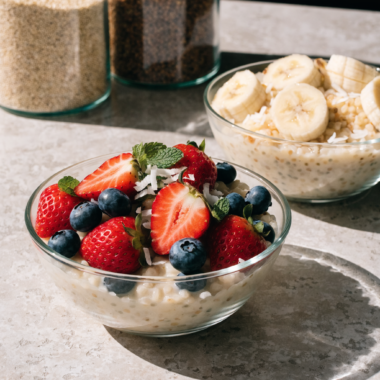
Introduction
When it comes to weight loss, combining the right nutrients is just as important as reducing calories. Protein plays a key role in preserving muscle, boosting metabolism, and keeping you full for longer. Millets, on the other hand, provide fiber and slow-digesting carbohydrates that help control hunger and stabilize energy levels. When you combine millets with protein-rich ingredients, you get meals that are both satisfying and effective for fat loss.
The challenge for many people is finding recipes that are easy to prepare, balanced, and suitable for daily use. High-protein millet recipes solve this problem by offering simple, nourishing options that fit into a busy lifestyle while supporting weight loss goals.
Why Combine Protein with Millets
Millets alone are nutritious, but pairing them with protein enhances their effectiveness for weight loss. Protein increases satiety, meaning you feel full for longer and are less likely to snack between meals. It also supports muscle maintenance, which is important for keeping your metabolism active during weight loss.
When combined with millets, protein slows digestion even further, creating a steady release of energy. This helps prevent blood sugar spikes and keeps cravings under control. The result is a balanced meal that supports both fat loss and overall health.
Creating Balanced Millet Meals
A high-protein millet recipe does not have to be complicated. The key is to combine millets with ingredients such as lentils, legumes, dairy, or eggs. Adding vegetables increases fiber and nutrients, making the meal more filling without adding excessive calories.
Cooking methods should remain simple to preserve the health benefits. Avoiding excessive oil and focusing on natural flavors ensures that the meals remain light and effective for weight loss.
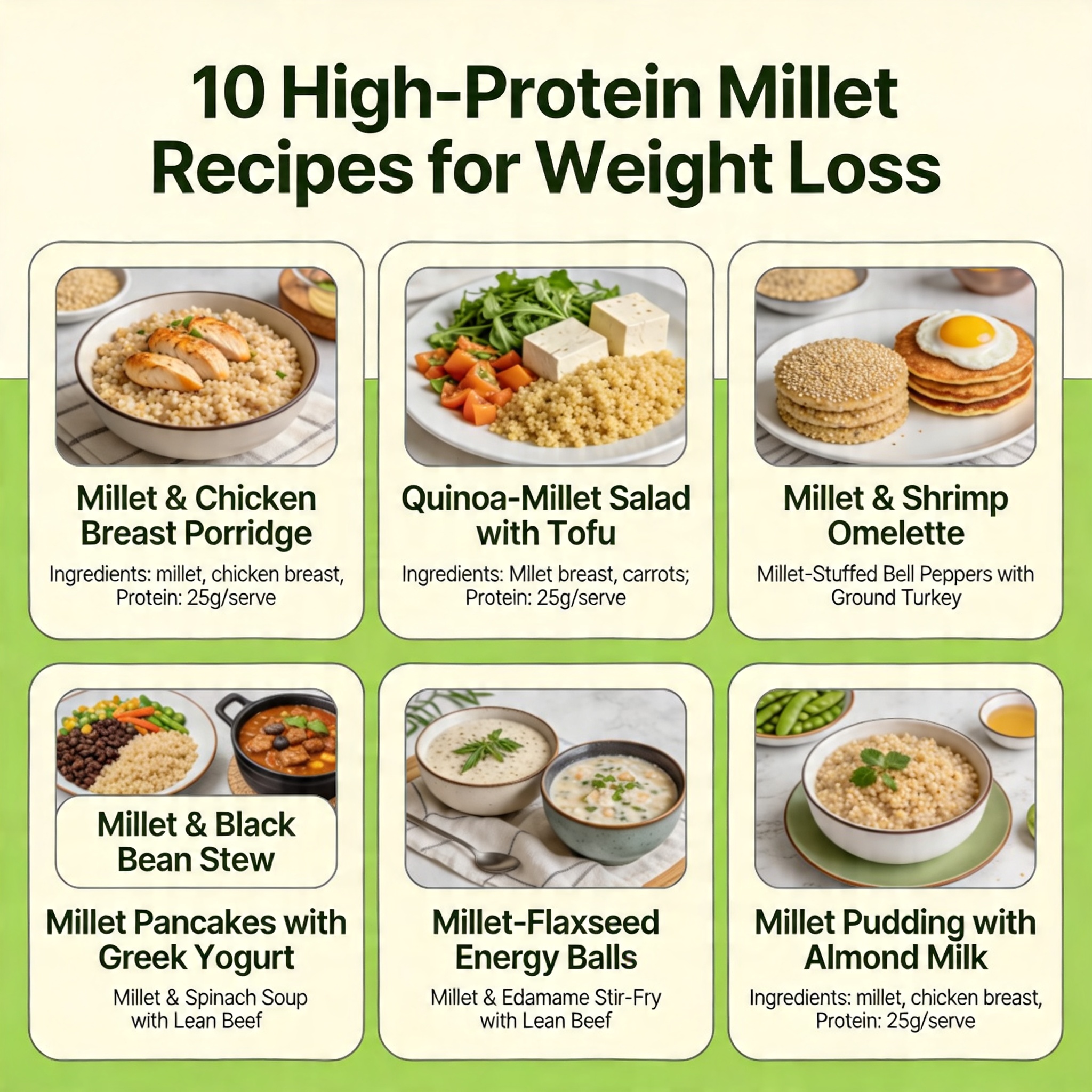
High-Protein Millet Recipes for Daily Use
One of the easiest ways to include protein is by preparing millet-based dishes with lentils. These combinations create a complete meal that provides both energy and satiety. For example, mixing millets with lentils and vegetables results in a hearty dish that can be eaten for lunch or dinner.
Another approach is to combine millets with dairy products like yogurt or paneer. These additions increase protein content while enhancing taste and texture. Such meals are not only filling but also easy to prepare, making them suitable for busy days.
Egg-based recipes are another excellent option for those who include eggs in their diet. Pairing millets with eggs creates a protein-rich meal that supports muscle health and keeps you energized throughout the day.
Snacks can also be made healthier by incorporating protein into millet-based dishes. Using ingredients like roasted legumes or nuts can turn simple recipes into satisfying and nutritious options that help control hunger between meals.
Making These Recipes Work for Weight Loss
The effectiveness of these recipes depends on how they are used in your daily routine. Portion control is essential, as even healthy meals can contribute to excess calorie intake if consumed in large quantities. Eating until you feel comfortably satisfied rather than overly full helps maintain a calorie deficit.
Timing also plays a role. Including protein-rich millet meals earlier in the day supports energy levels and reduces cravings later. Lighter meals in the evening help maintain balance and support digestion.
Consistency is the most important factor. Regularly including these balanced meals in your diet creates a steady pattern that supports long-term weight loss.
Avoiding Common Mistakes
One common mistake is focusing only on millets and ignoring protein. This reduces the effectiveness of the meal and may lead to increased hunger later. Another issue is using excessive oil or preparing heavy dishes, which can increase calorie intake.
Skipping vegetables is another factor that can limit the benefits of these recipes. Vegetables add fiber and volume, making meals more satisfying without adding many calories. Keeping meals balanced ensures that you get the maximum benefit from each recipe.
Conclusion
High-protein millet recipes offer a practical and effective way to support weight loss. By combining the satiety of protein with the slow digestion of millets, these meals help control hunger, stabilize energy levels, and maintain a calorie deficit.
The key is to keep recipes simple, balanced, and consistent. When used as part of a well-structured diet, these meals can make weight loss more manageable and sustainable, helping you achieve your goals without feeling restricted.