Introduction
The ketogenic diet has become one of the most popular approaches for rapid fat loss and metabolic health. It focuses on drastically reducing carbohydrate intake while increasing fats, pushing the body into a state called ketosis where fat is used as the primary energy source. At the same time, millets are widely promoted as a healthy grain for weight loss and blood sugar control. This creates a common question—can millets and a keto diet work together?
At first glance, both seem to support fat loss, but they operate on very different principles. Understanding how millets fit into a keto framework is essential before including them in your diet.
What the Keto Diet Requires
A true ketogenic diet is very low in carbohydrates, typically limiting intake to a small amount per day. This strict reduction forces the body to shift from using glucose to burning fat for energy. To maintain this state, carbohydrate intake must remain consistently low.
Even moderate amounts of carbohydrates can disrupt ketosis. This is why the keto diet focuses on foods that are naturally low in carbs and avoids most grains, including those considered healthy.
Where Millets Stand Nutritionally
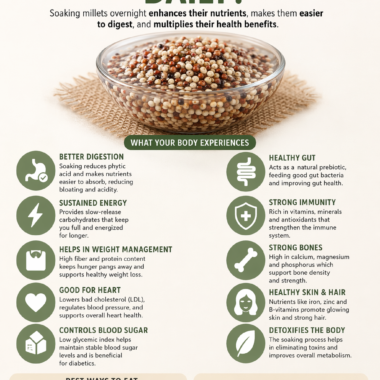
Millets are whole grains and are naturally rich in carbohydrates. While they are healthier than refined grains due to their fiber content and slow digestion, they still contribute a significant amount of carbs.
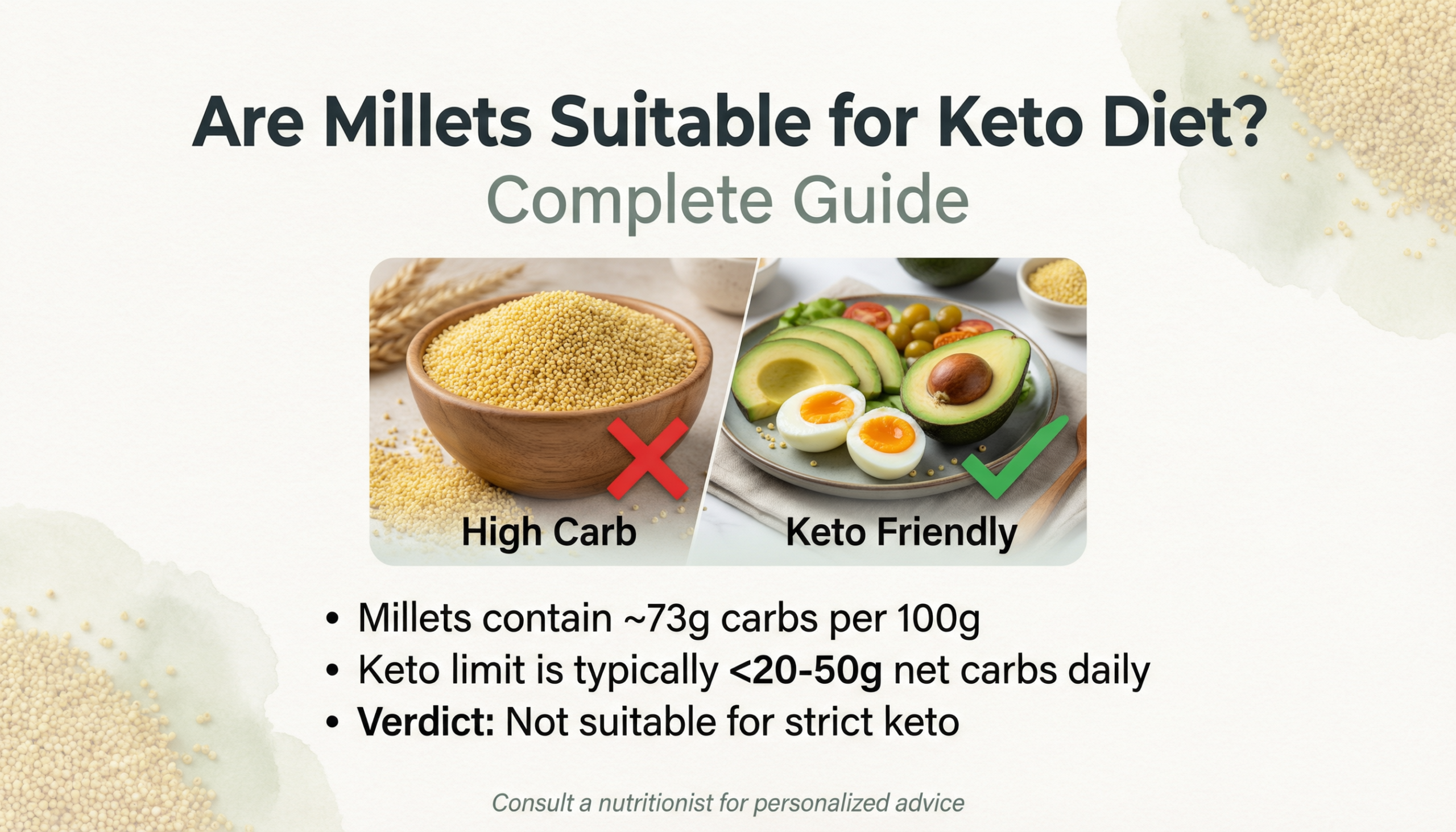
This is the key issue when considering millets for a keto diet. Their carbohydrate content is generally too high to fit within the strict limits required to maintain ketosis.
Even though millets have a lower glycemic impact compared to many other grains, this does not change their total carbohydrate content, which is the main factor in a ketogenic diet.
Can You Eat Millets on Keto?
In a strict ketogenic diet, millets are usually not suitable. Their carbohydrate content can quickly exceed the daily limit, making it difficult to stay in ketosis. For individuals strictly following keto for fat loss or medical reasons, avoiding millets is generally recommended.
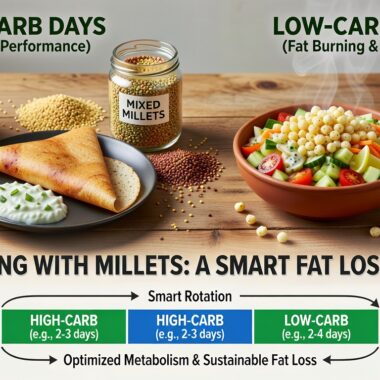
However, there are variations of low-carb diets that are less restrictive than keto. In these approaches, small portions of millets may be included occasionally without completely disrupting progress. This depends on your overall carbohydrate intake and how your body responds.
Millets vs Keto: Different Approaches to Fat Loss
Millets and the keto diet both support weight loss, but they do so in different ways. The keto diet focuses on shifting the body into fat-burning mode by eliminating carbs. Millets, on the other hand, support weight loss by controlling hunger, stabilizing blood sugar, and improving digestion.
Millets are more aligned with balanced and sustainable eating patterns, while keto is a more restrictive and targeted approach. Choosing between them depends on your lifestyle, preferences, and how strict you want your diet to be.
Who Should Avoid Combining Millets with Keto
If you are following a strict ketogenic plan or need to maintain ketosis consistently, millets are not a good fit. This is especially important for individuals using keto for specific health conditions where maintaining ketosis is essential.
Trying to include millets in such a plan can make it harder to achieve results and may lead to inconsistent outcomes.
Who Can Still Include Millets
For those following a more flexible low-carb approach rather than strict keto, millets can still be part of the diet in controlled portions. They can provide nutrients and satiety without the extreme restrictions of a ketogenic plan.
This approach works well for people who want to lose weight but prefer a more balanced and less restrictive diet. It also allows for greater variety and long-term sustainability.
A Practical Approach to Choosing the Right Diet
Instead of trying to combine two very different dietary strategies, it is often more effective to choose one that aligns with your goals and lifestyle. If you prefer structured, low-carb eating and can maintain strict discipline, keto may work for you.
If you prefer a more balanced approach that includes whole grains and focuses on long-term habits, millets can be a better choice. Both methods can support weight loss when applied correctly, but consistency is the most important factor.
Conclusion
Millets are generally not suitable for a strict ketogenic diet due to their carbohydrate content. While they are healthy and beneficial in many ways, they do not fit within the low-carb limits required to maintain ketosis.
However, they can still be part of a flexible, low-carb or balanced diet that supports weight loss without extreme restrictions. The key is to choose the approach that you can follow consistently and that fits your individual needs.
Understanding the difference between these dietary strategies helps you make informed decisions rather than trying to combine incompatible methods.